
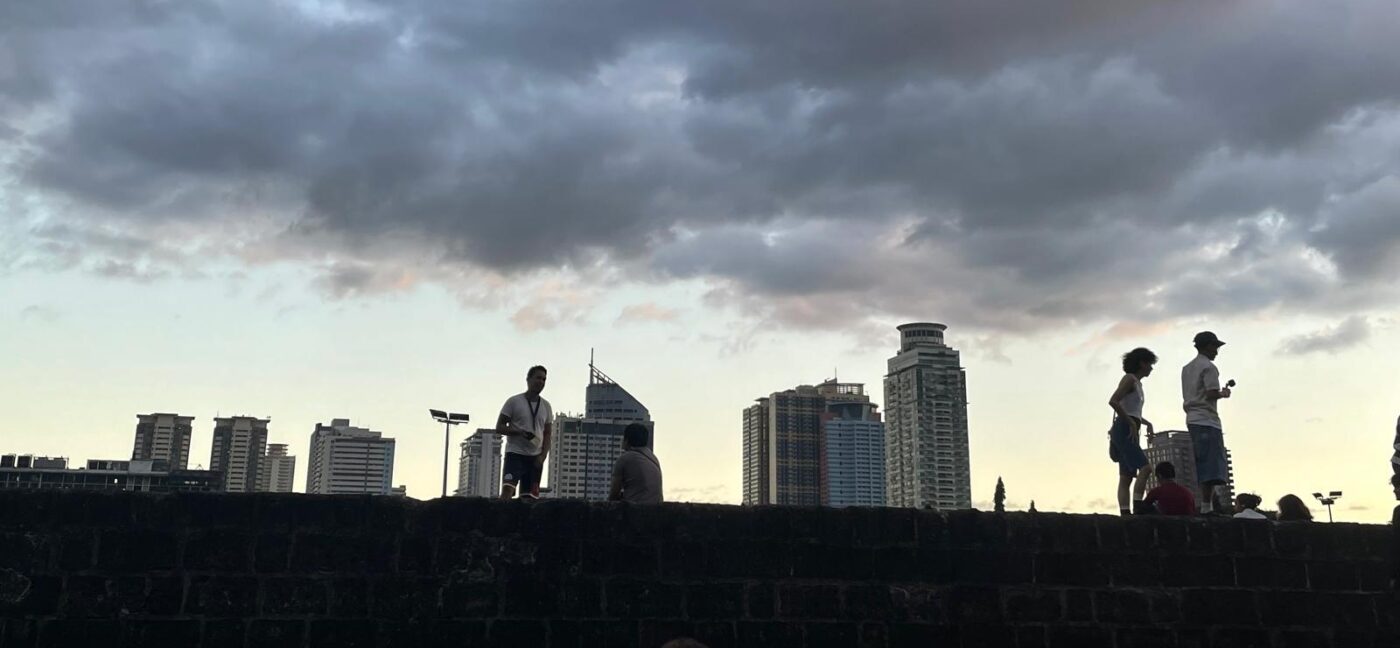
What happens outside the gates
Arriving without expectations
I chose not to prepare myself for the Philippines and quickly realized that nothing could have prepared me anyway.
stepping into a small, perfect world
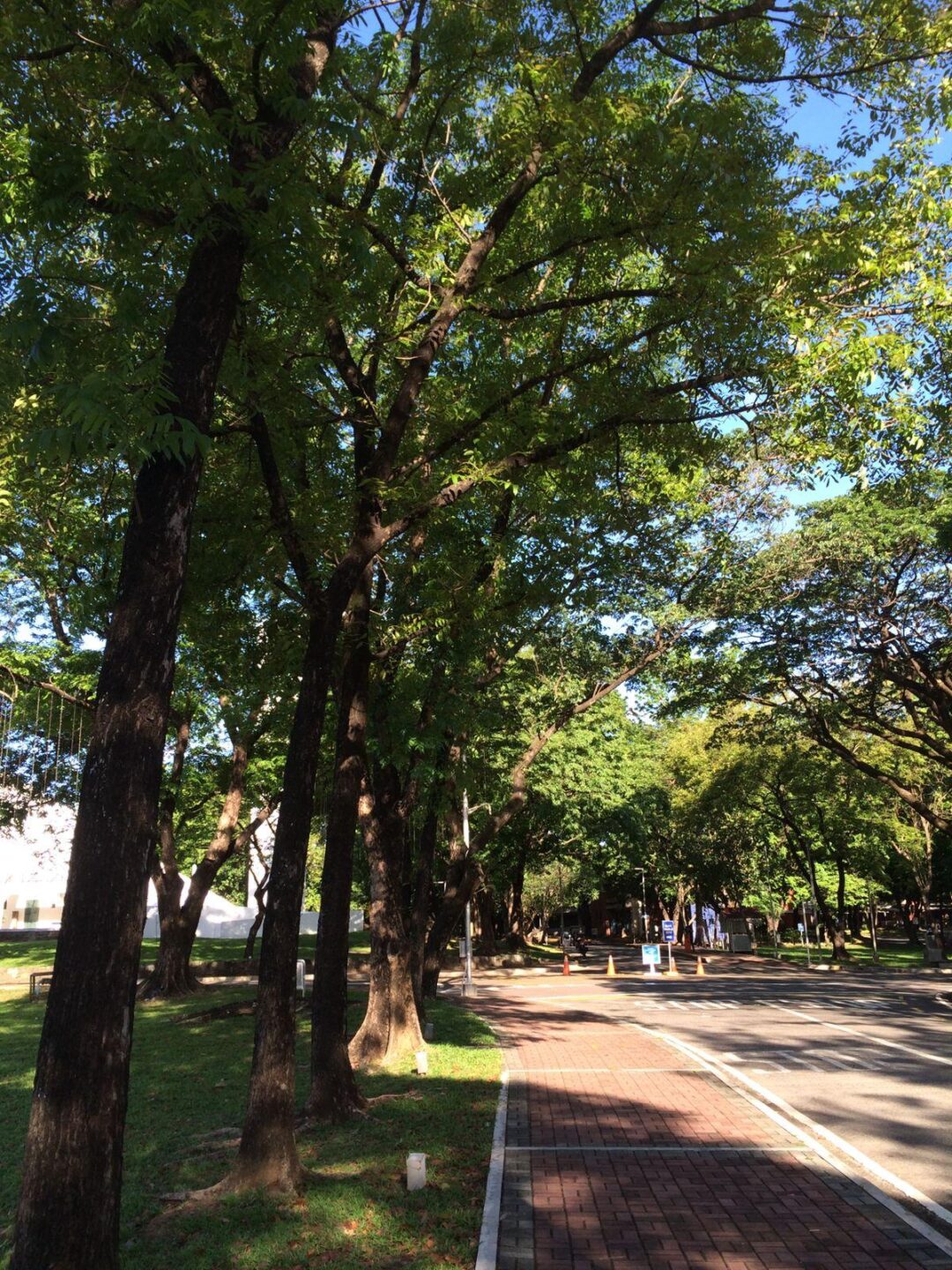
My introduction to the country was quite gentle. Early in the morning, I left the butterfly house heat of the airport and stepped straight into an air conditioned car. I was driven directly to my future home for the next five months, a student residence located on a university campus. My first impressions therefore came from a modern and well kept campus, surrounded by trimmed greenery, security guards and contemporary buildings, which later turned out to be considered the best in the country. With Ateneo de Manila University, I had ended up at an elite university.
the campus bubble
A secluded world full of privilege
While walking across the wide campus, I met students who casually offered to drive me to their own apartments with pools in their Porsche, just to party a little. Campus life felt like a small, intact world, almost like a village of its own, large enough to truly feel separate. Happy students, countless opportunities, safety and comfort shaped everyday life, and it was obvious that hardly anything was missing here. Only later did I realize that this was not the country itself, but a bubble.
stepping outside the gates
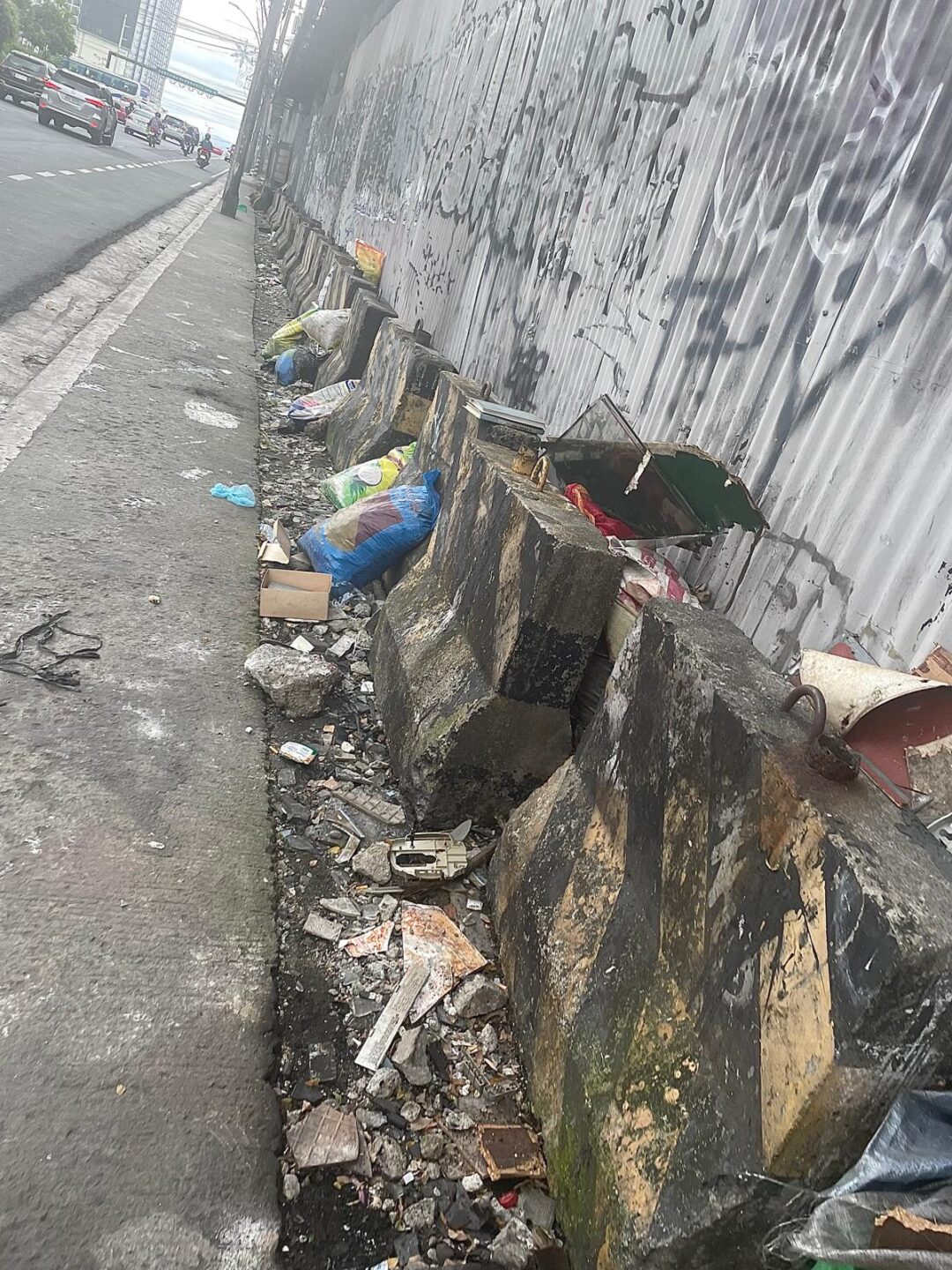
This picture changed abruptly the moment I stepped out of the fenced, security-guarded campus. Almost immediately, I was met with a cloud of exhaust fumes, sticky air, and open sewage channels. In Manila, avoiding cars is unavoidable, there are hardly any proper sidewalks. The city is built for cars, not for pedestrians. Just as sidewalks are missing, so are trash bins. One scene has stayed with me vividly: I bought something to eat at a small stand and wanted to throw away a piece of plastic. Pointing at the ground, I signaled to the vendor that I was looking for a bin. He just smiled and gestured for me to drop it. When I laughed in disbelief and looked around, he came over, took the trash from me, and threw it into a corner. In that moment, it became clear to me: people are often simply not given alternatives. The system just doesn't allow certain orders to exist.
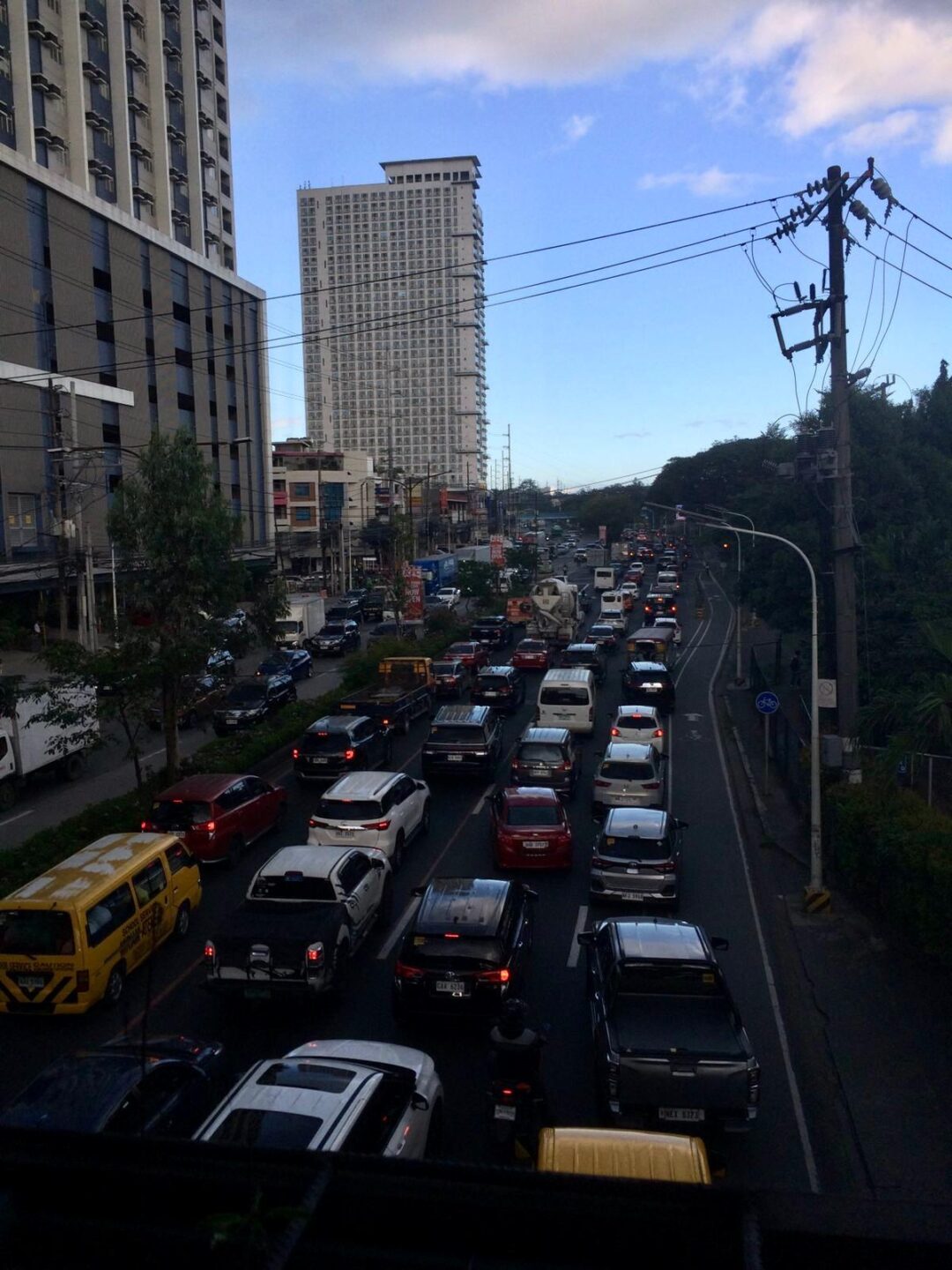
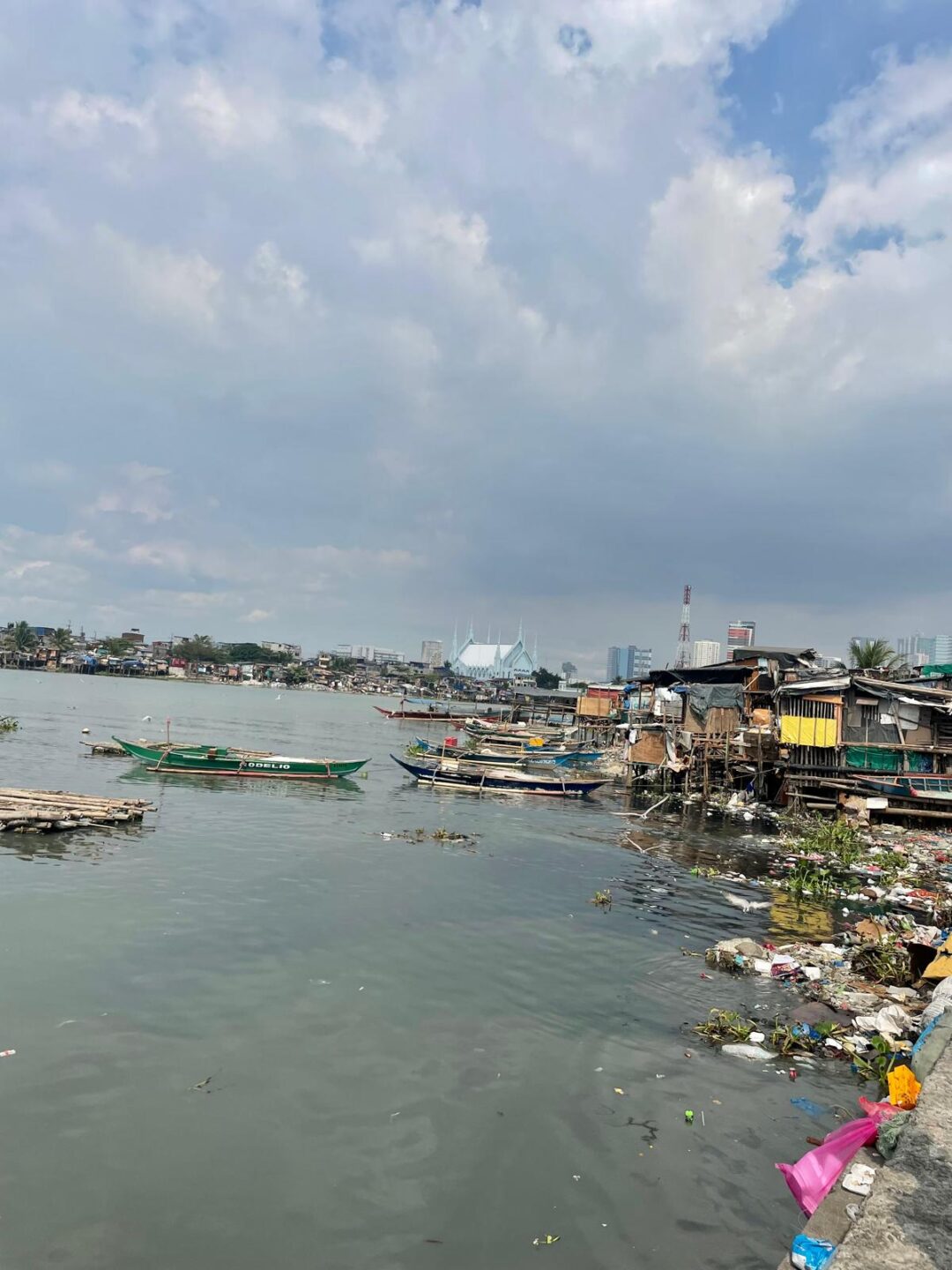
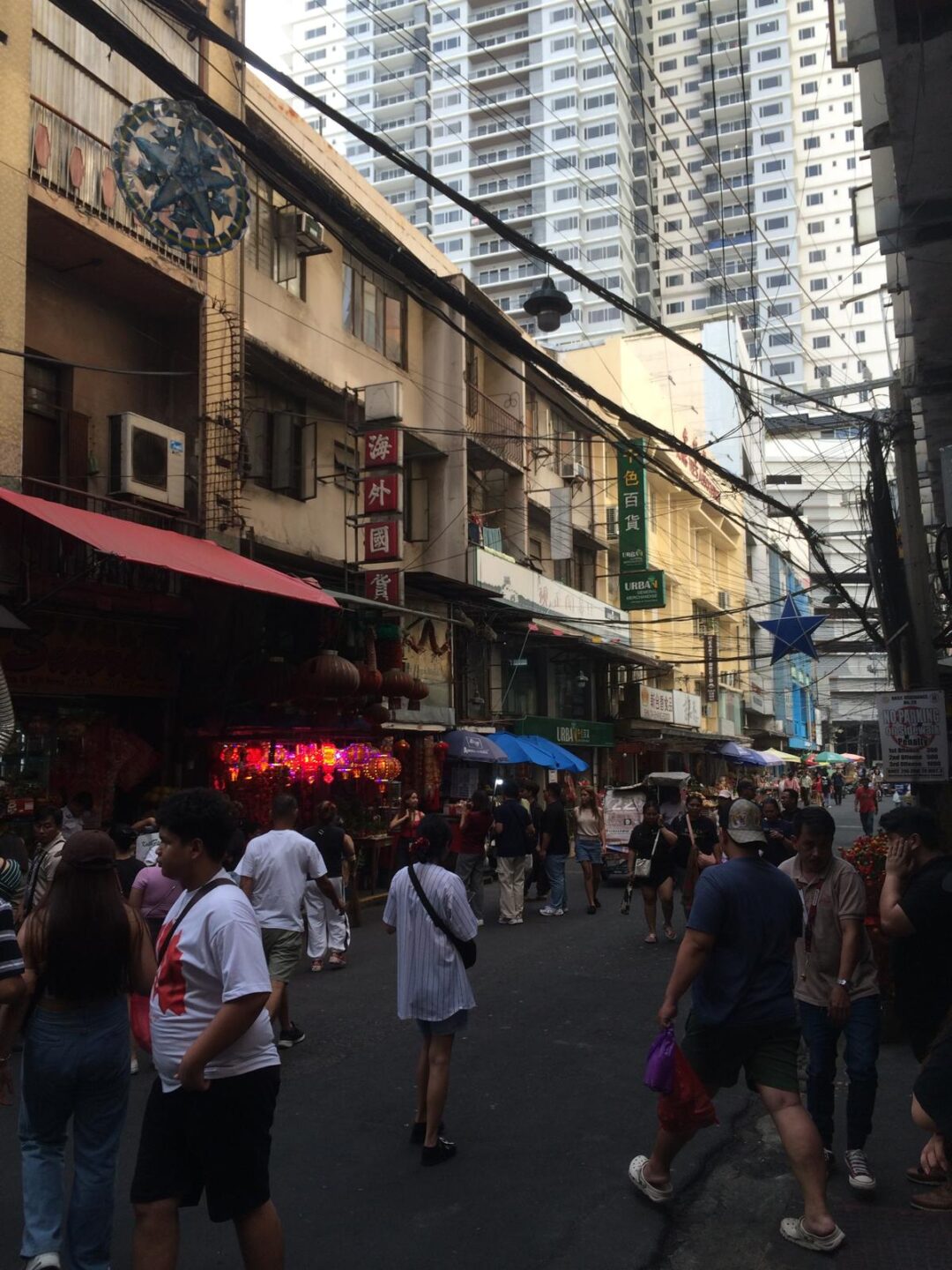
The gap between
Confronting privilege and reality
Life in downtown Manila quickly became overwhelming. Returning to the campus on the outskirts and walking through the gates felt like stepping into a safe, privileged world, shielded from everything outside, almost like a small, intact village built for those who could afford it. The constant shift between these two worlds became one of my strongest experience of foreignness.
In lectures at Ateneo, we discussed poor living conditions and their causes, often linked to colonialism and structural inequality in the Philippines. One course program in particular unsettled me: an excursion to a poor neighborhood, where students were assigned families to talk to while they shared their difficult circumstances, and we brought them food. I still find this program very questionable. While I understand the educational approach, I felt uncomfortable participating, almost as if suffering was being put on display. This experience intensified my feeling of foreignness and made me reflect critically on my own role as a privileged exchange student.
Despite the sharp critiques that my experiences of foreignness in Manila brought up, I want to stress that these are mainly my impressions of the city where I spent most of my time. Leaving behind the warmth of the people and the country was not easy.
I felt as if I were returning from another world. A world where things work differently, where privileges are more visible, and where foreignness doesn’t just exist outside, but also emerges within yourself. Experiencing this made me reflect on my own position, my own assumptions, and how quickly one can feel both part of and apart from a place at the same time.