
National Pride: celebration for some, shame for others
The historical context
Lithuania´s struggle for independence is a story that is not just meant to be told but meant to be felt. Their years long desire for freedom shows a primal urge as old as humanity itself: We want to live, we want to feel safe, we want to be ourselves.
After many years of glory, fear and hope, their history marks an especially dark situation of oppression, censorship and fear in the 20th century. Life under Russia´s oppression seemed stable on the surface, yet in people´s hearts there was a constant sense of confinement. The question “Am I safe?” could not be answered honestly. And the question “Who am I?” was one they didn’t dare to ask too loudly. But it was precisely this question that became the starting point for one of Europe´s most remarkable freedom movements.
The first proclaim of independence was the result of a two-year war between the Soviet Union and Lithuania after the first world war. The second independence movement, after the second world war and the persistent oppression of Russia years later, began quietly with songs. In a world where words were dangerous, singing became a symbol. It was a metaphor for identity, for connection, for a longing greater than fear. It was a moment of collective self-recognition: “We are still here. We belong together.”
In 1991, the conflict reached its peak – a nation stood against the empire. January 13th marks the “Bloody Sunday”, when Soviet troops tried to crush the independence movement by force. This was the moment the Lithuanian people committed fully to their mission. On the 50th anniversary of the Molotov-Ribbentrop Pact – which secretly gave the Baltic states to the Soviet Union after world war two – around two million people of all Baltic states formed a human chain through their capitals Tallinn, Riga and Vilnius. This non-violent mass demonstration marks a powerful show of solidarity that contributed to the three countries regaining their independence.
Then came the day the world wouldn´t forget: On March 11th 1990, Lithuania became the first Soviet republic to declare independence. It wasn´t an easy or logical decision but it came from the deepest value people can hold: The right to be themselves.
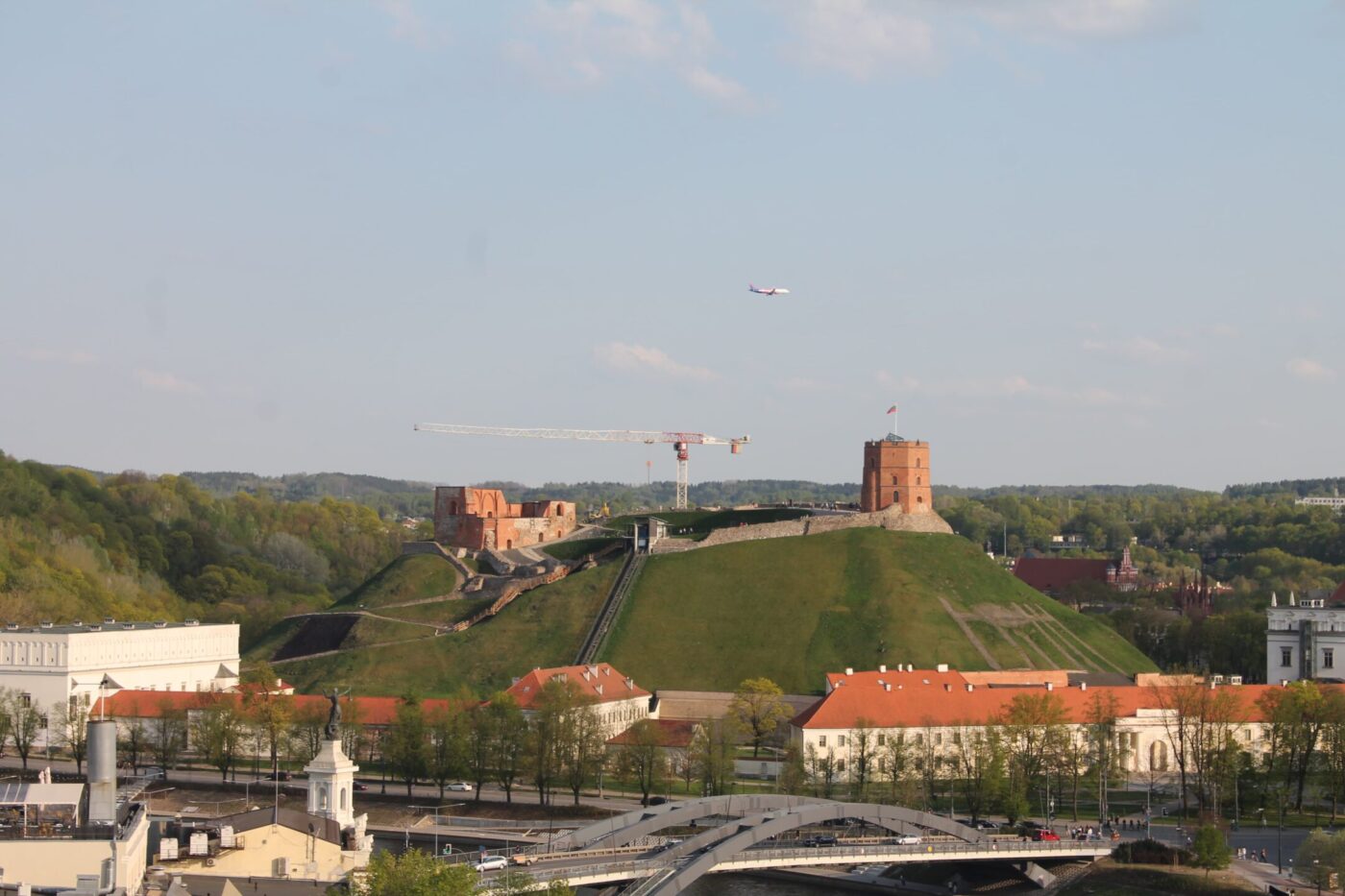
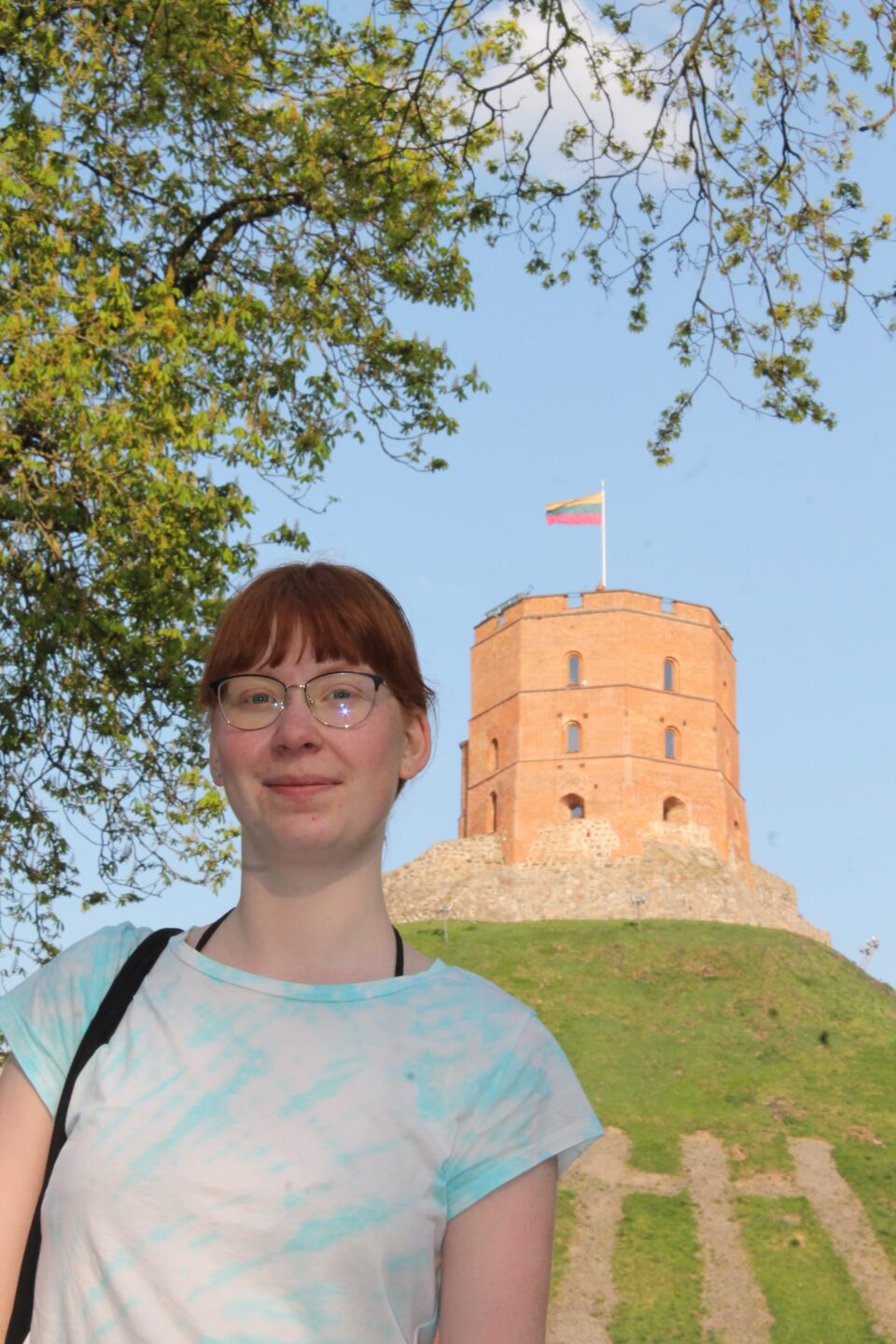
Even today, Lithuanians are very proud of their own culture and independence. As I first arrived in Vilnius, one of the first things I noticed were the many, many Lithuanian flags hanging from almost every building. Initially I thought that it might be because I was standing in the center of the city, where a lot of historically and culturally important buildings are located. But as I walked towards my accommodation, the number of flags didn’t decrease at all. Seeing all those flags made me curious about the history and the question “Why are they so proud of their nation?”. Luckily, the university I visited in the time abroad, gave an informational lecture of Lithuanian history and how it is preserved today. Throughout the whole semester, I took a course about heritage and culture, which gave me the opportunity to learn even more about Lithuanian culture.
Even though I do understand the reason for their strong sense of national pride, the happiness for the local people always came with a slight unwell feeling. As a German citizen, you learn really early in life that too much national pride can be dangerous and that it has to be treated with caution. Because of our history, most Germans are careful to be proud about the accomplishments we´ve made even after world war two. The guilt of what happened is still something deeply ingrained into the minds of our government and people. Thus, seeing how Lithuanians celebrated their own culture and independence, arose a conflict in my mind. On the one hand, I admired the people for being proud loudly by wearing traditional clothing, speaking their hundred years old native language, singing their songs of resilience and celebrating their holidays.
On the other hand, I felt somewhat uncomfortable seeing the amount of national pride they integrate into their daily life. Almost every month they celebrated a holiday of religion or history and almost always made sure to have a work-free day at the same time. Being able to experience both their independence day (February 16th) and their restitution of independence day (March 11th) in my time abroad, made me realize that there are people that don´t feel shame of their history – on the contrary, they feel proud.