Caught in between: How i became part of a conflict that was never mine
and what it taught me about belonging
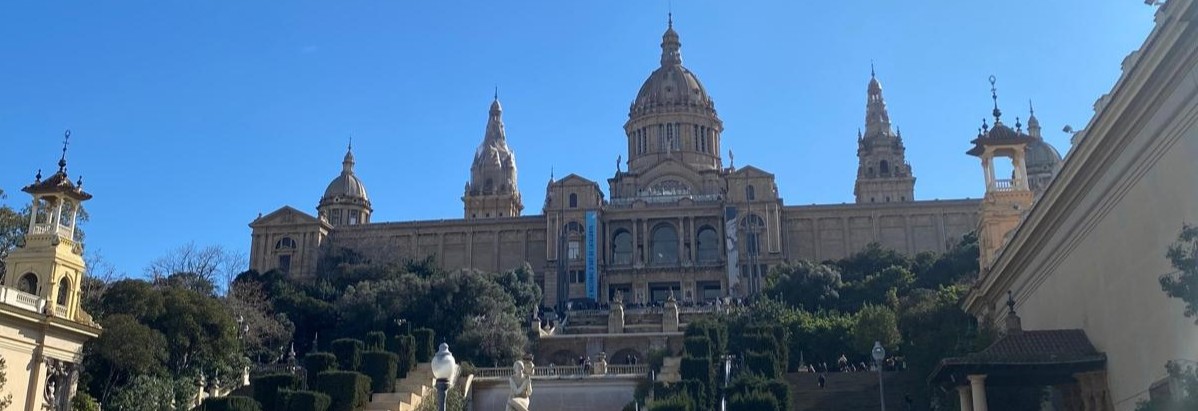
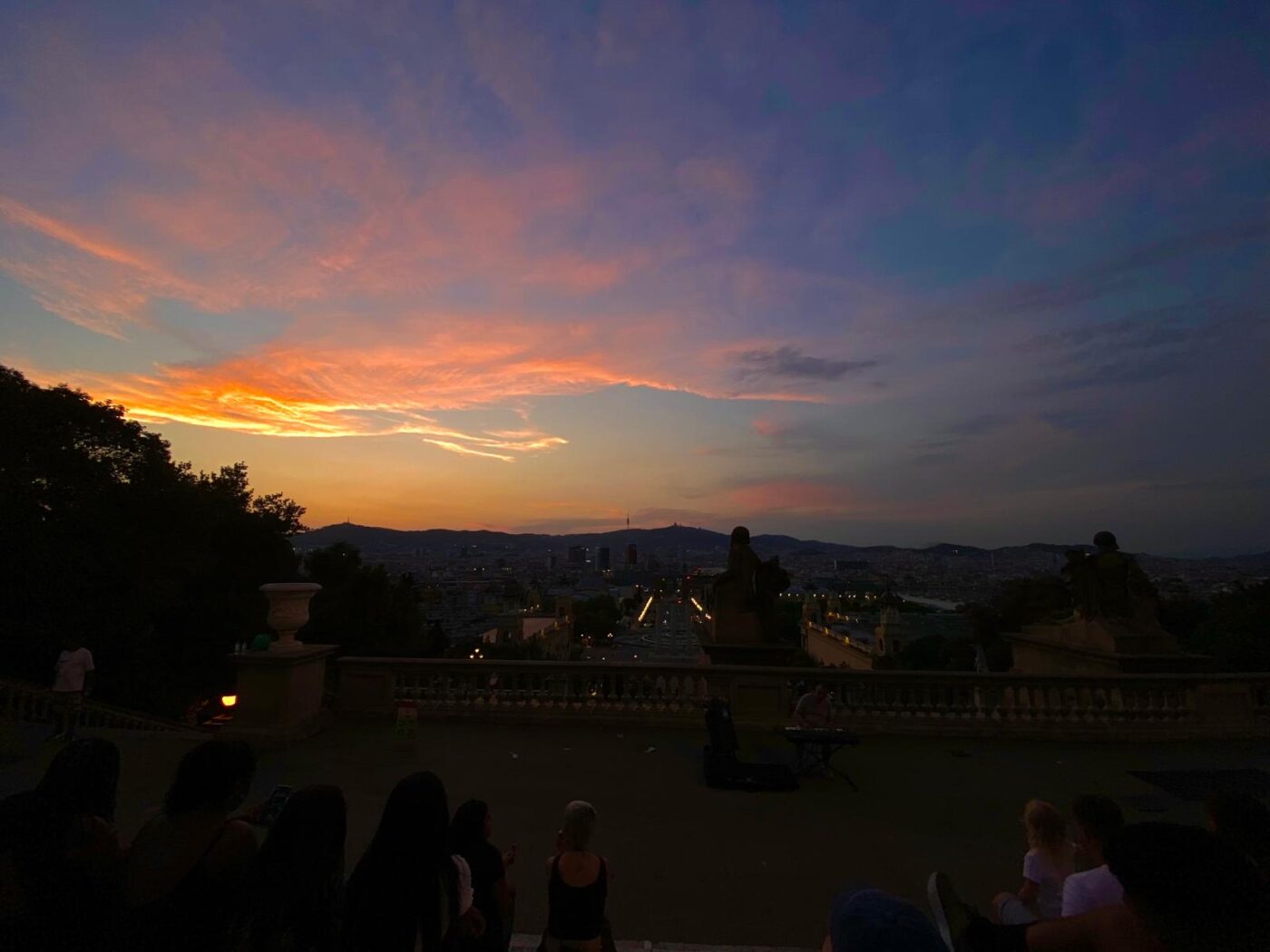
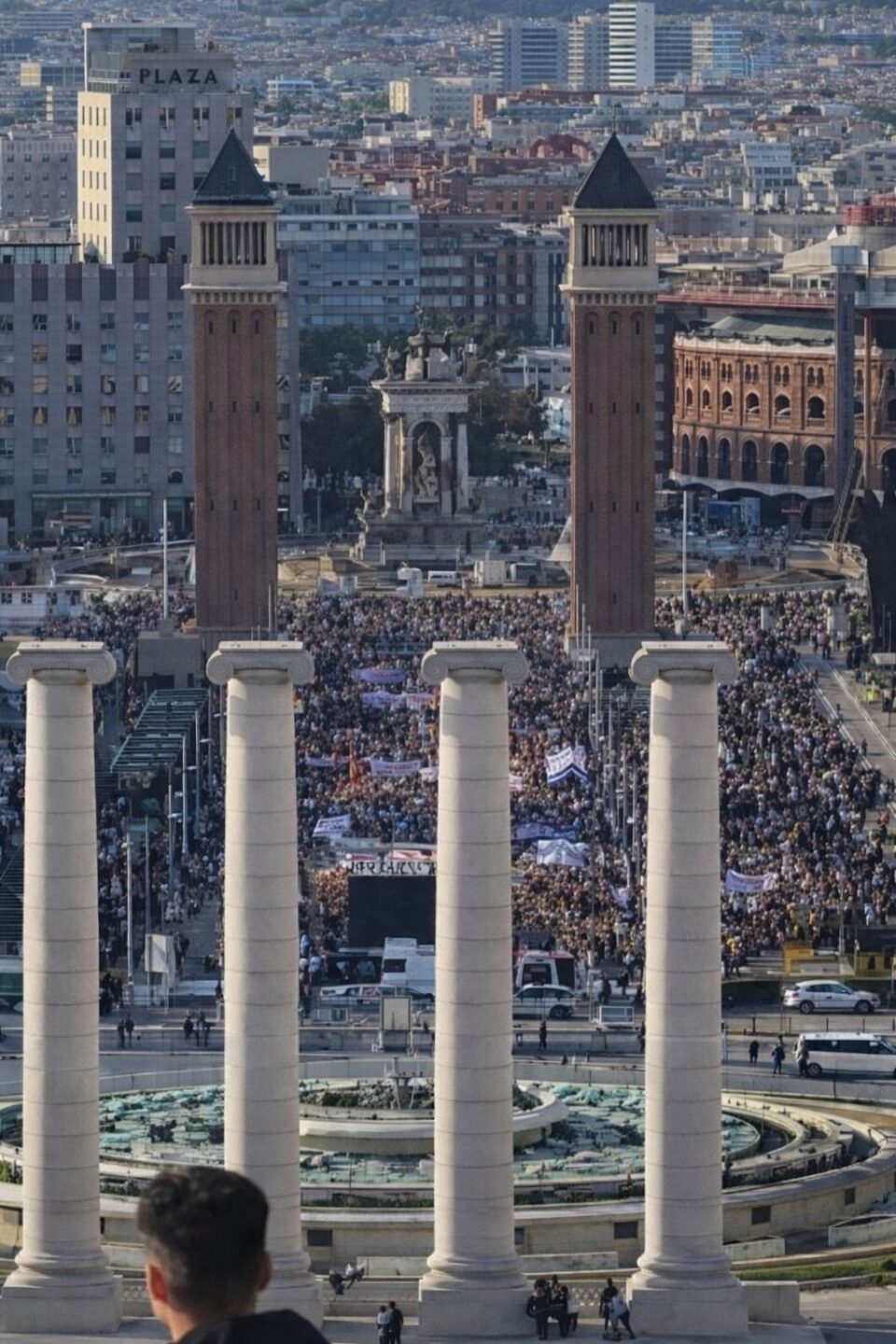
One evening made this feeling especially clear. I was sitting with my boyfriend on the wide stone steps in front of a museum while the sun slowly set over the city and a guitarist played melancholic songs — a small, almost cinematic moment that felt typically “Barcelona.” But then we noticed a large crowd below us. “Anti-tourism” was written on banners, the shouting grew
louder, and the atmosphere became more tense. Only then did we realize: an anti tourism demonstration was taking place directly beneath us — surrounded by visitors who looked just like us.
It was not dangerous, but unsettling enough for us to choose a different path. And it stayed with me. I became part of a conflict long before I even understood what it was actually about.
I was not there to party, not for a quick weekend trip — I was a student. Yet to many people, I looked like “just another tourist.” That moment shattered my romanticized idea of Barcelona and confronted me with an uncomfortable truth:
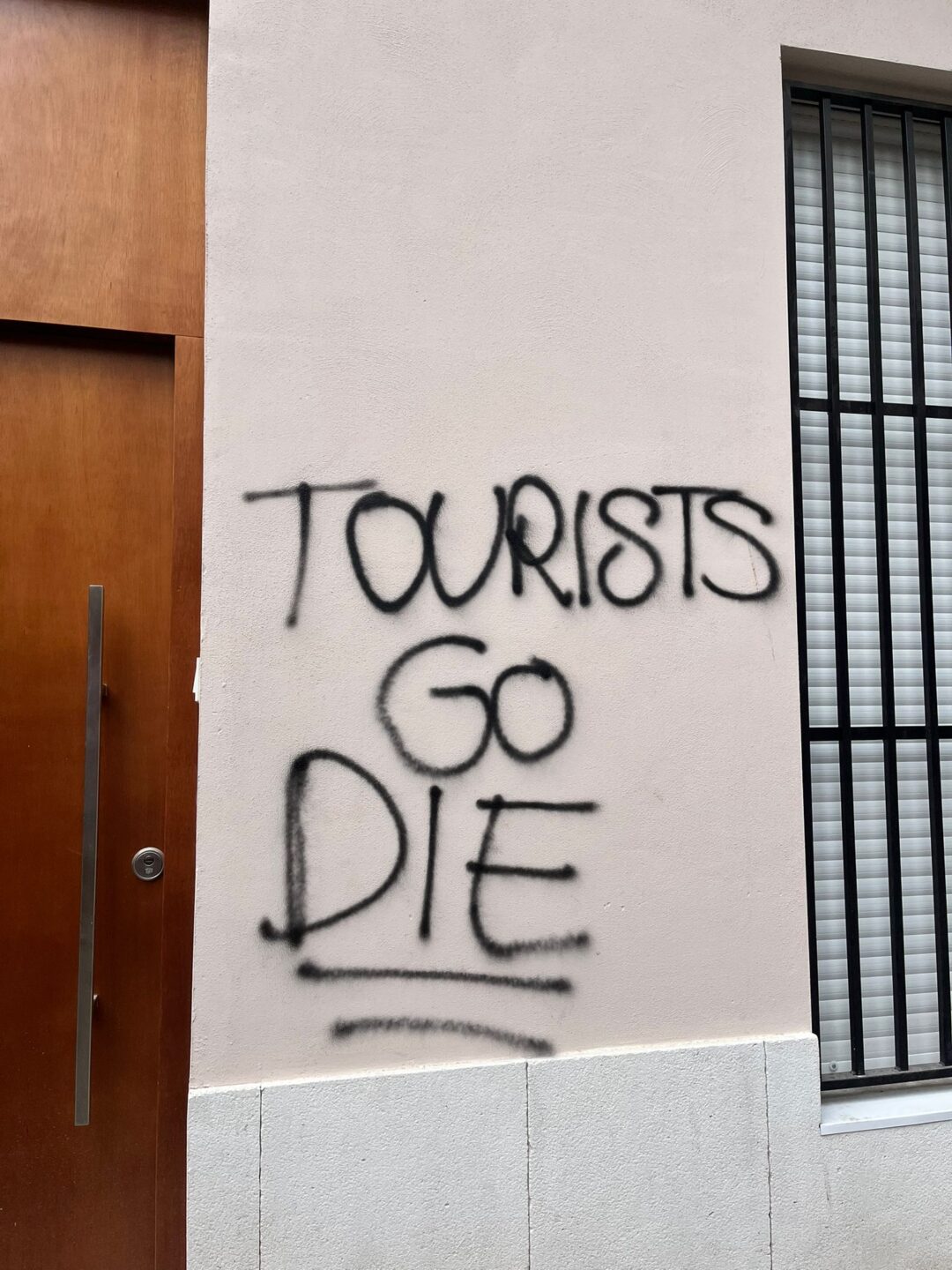
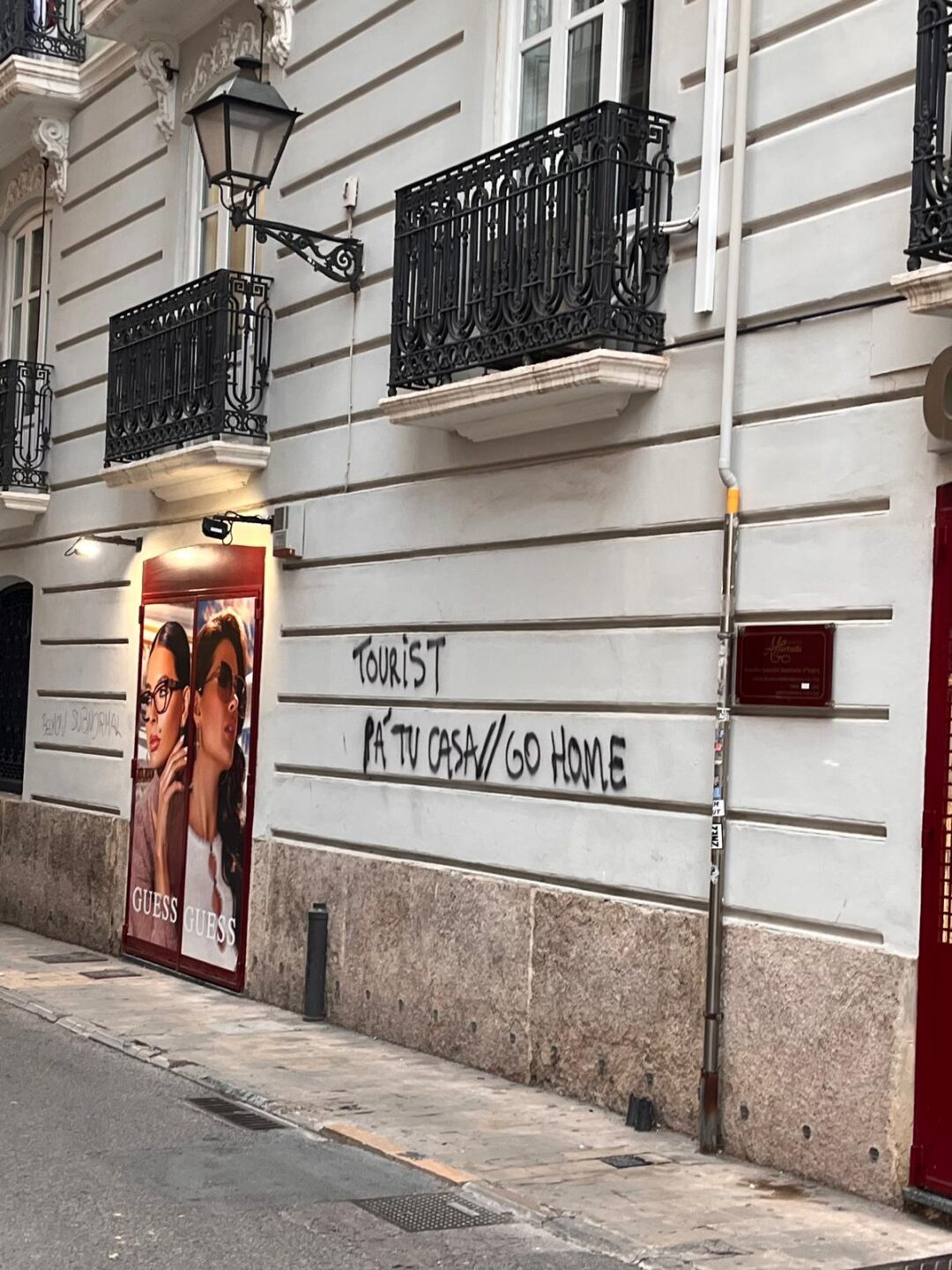
After that evening, I began to observe, listen, and question more consciously. And naturally, I noticed more small situations where this “in-between” feeling appeared. Whenever someone realized that I did not speak Spanish or Catalan, the atmosphere changed. Not hostile — but more distant. From my perspective, it felt like rejection. From their perspective, as I slowly began to understand, I was simply another temporary presence in a city that had already given
and lost a great deal to mass tourism. In Barcelona, language is not just communication; it is a visible sign of whether someone is part of the local reality or merely passing through.
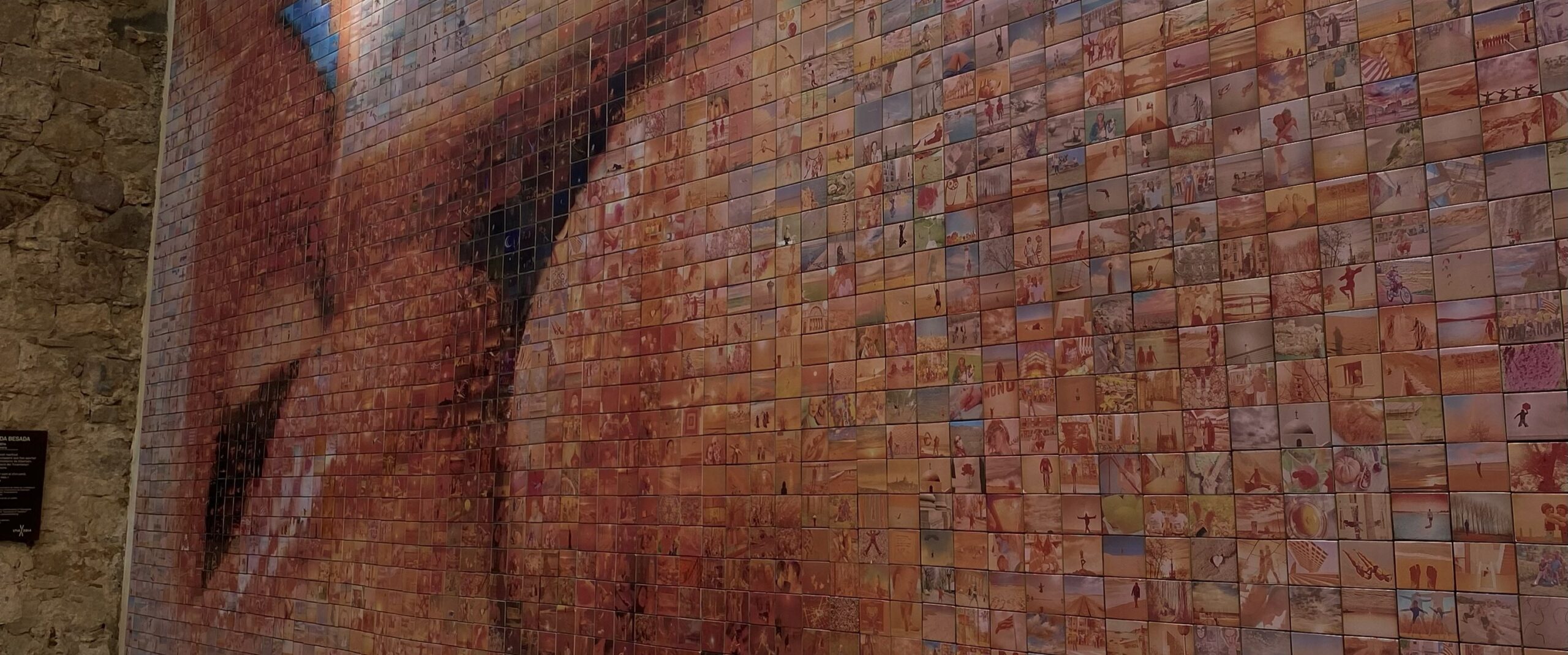
Instead of letting this foreignness intimidate me, it became a turning point. I wanted to truly understand what was behind these reactions, not to justify myself, but to understand the frustration. So I began actively learning. I studied the essential vocabulary for everyday situations: supermarkets, bakeries, cafés, pharmacies, restaurants. Not to appear perfect, but to show that I respected the city and the people living in it. I deliberately visited local shops, spoke politely, apologized for my poor Spanish and suddenly, small gestures opened doors.
I also spoke openly with my Catalan classmates, without defensiveness. They explained what truly burdens the city: not tourists themselves, but an overwhelmed housing market, unaffordable rents, Airbnb saturation, disappearing neighborhood life, noise, and pressure on residential areas. Hearing this from their perspective changed everything. For them, tourists are not just well intentioned individuals, but part of a large wave that makes their own lives harder — a wave they never asked for. And suddenly, the initial resistance made sense. I understood it — and I did not want to contribute to it.
Whenever friends or family visited, I informed them about the situation, the background, andthe tensions. I actively discouraged them from booking Airbnbs or holiday apartments, because these cause the greatest harm. Instead, I recommended local hotels in quieter districts or even places outside the city. I explained why supporting local businesses, traveling respectfully, and avoiding the attitude of mass tourists is important especially those who complain about prices or expect everything to revolve around them.
Of course, I still wanted to show my visitors the city’s sights — that is completely normal. And there is nothing wrong with visiting tourist attractions. But I wanted to do it in a way that harmed no one: kindly, patiently, respectfully, and with the understanding that every stay carries responsibility. The more I adapted, listened, and acted consciously, the more comfortable I felt. The foreignness did not disappear completely, but it became softer, more familiar, less sharp.
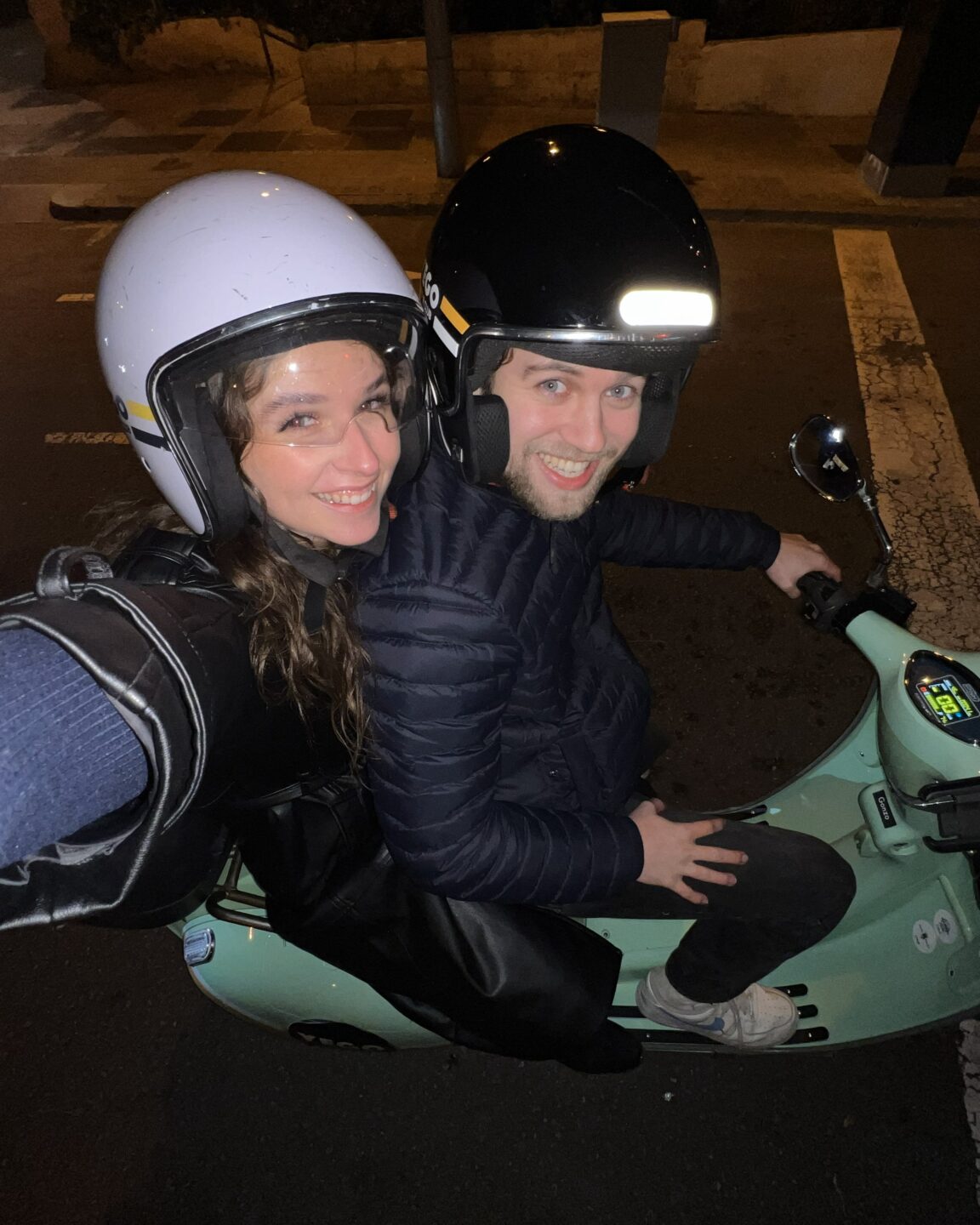
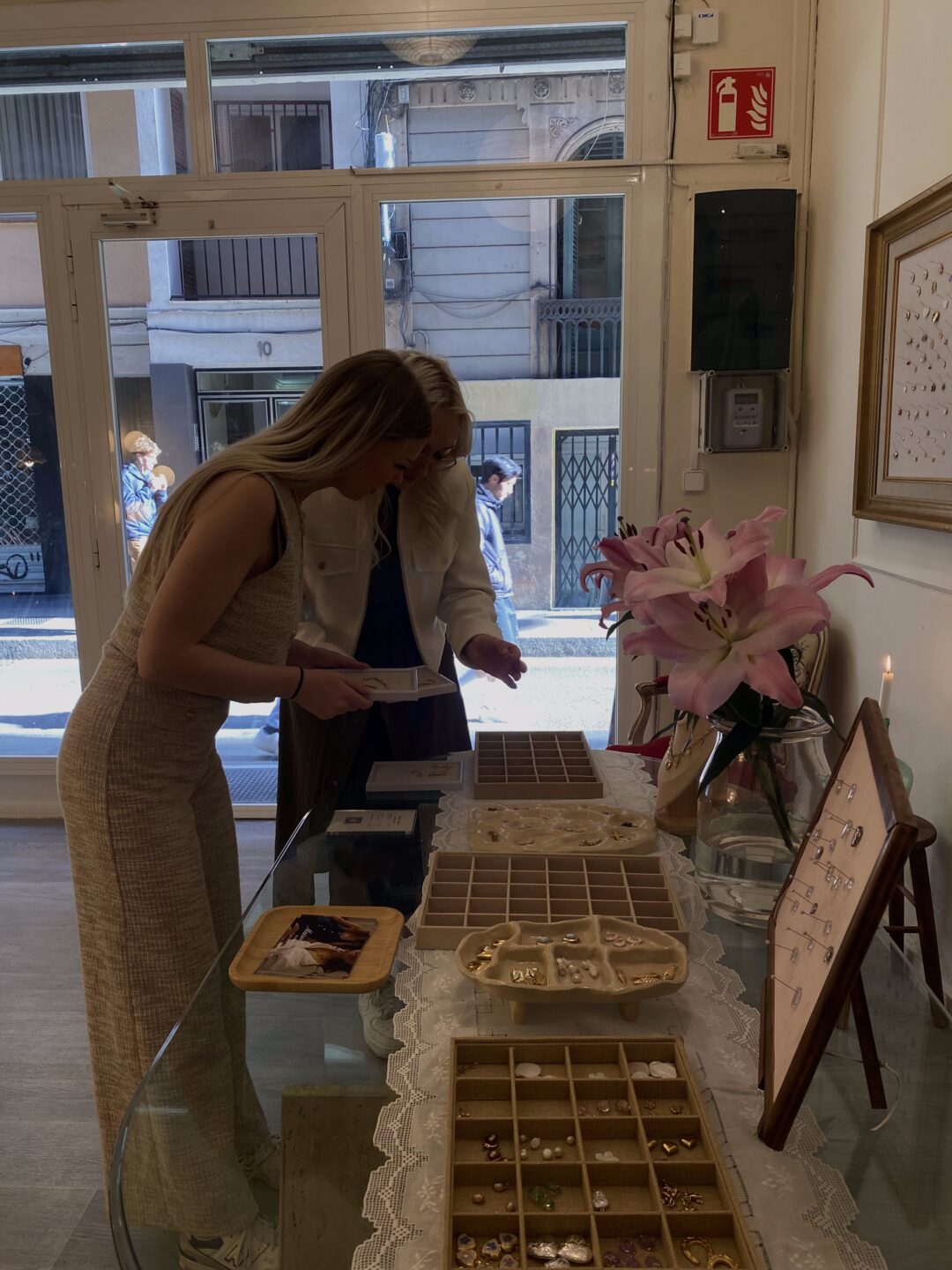
By the end of my semester, Barcelona no longer felt like a city pushing me away, but like a place that had shown me that belonging is something active.
I learned that foreignness is not just a passive feeling. It is a state you can respond to. You can approach people, listen, adjust, act consciously and slowly build a bridge between two worlds.
And this does not only apply to Barcelona. Many cities and countries face similar tensions between visitors and locals. That is why I believe there is a simple yet powerful responsibility for anyone who travels or studies abroad: if you want to be accepted in a place that is not your own, you must approach it with respect, curiosity, and genuine appreciation. You should take the time to understand the local reality, listen to the people who live there, and adapt your behavior accordingly.
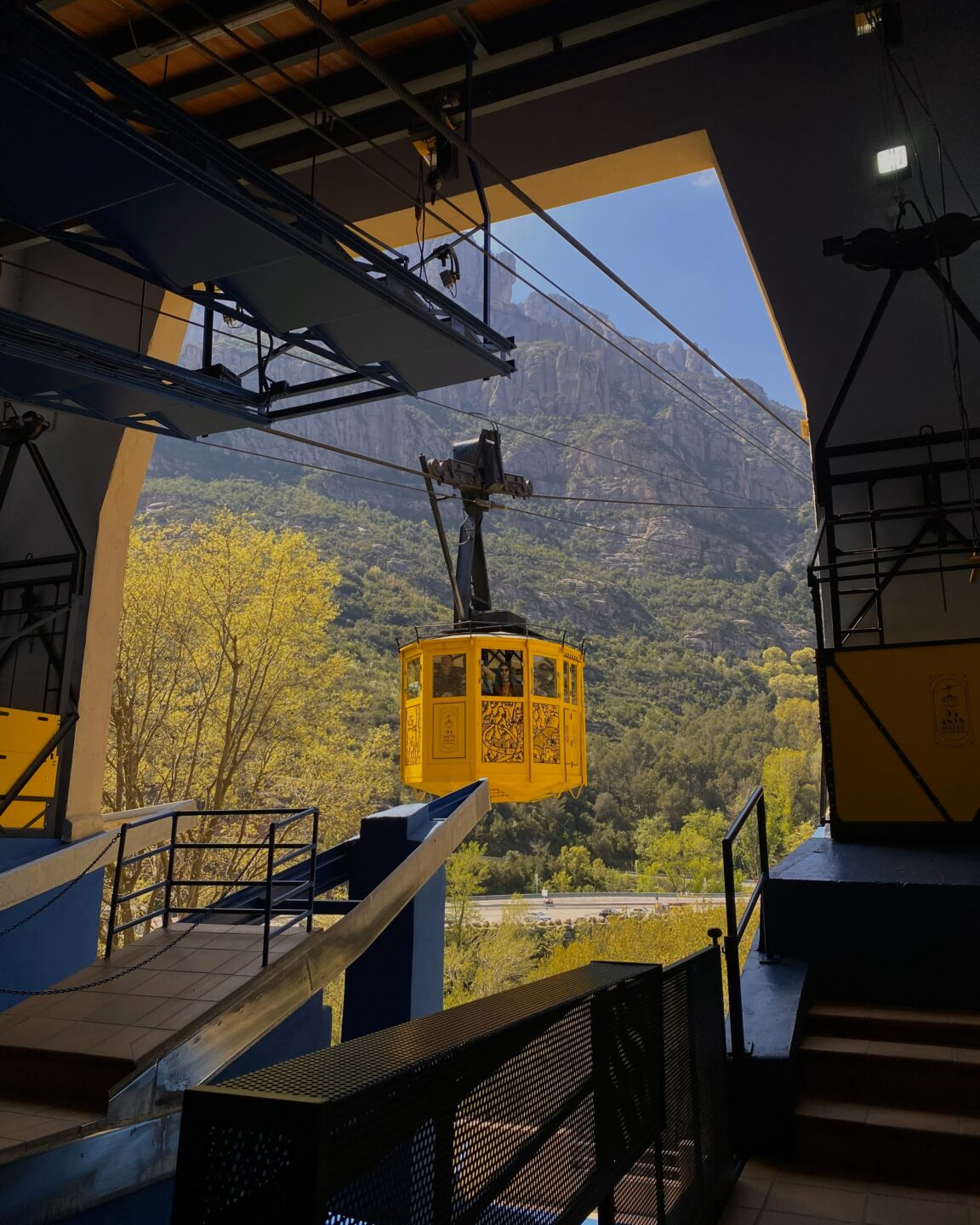


Barcelona taught me that you cannot always choose how others categorize you, but you can choose how you respond to it. True integration does not come from losing yourself, but from opening yourself to the reality of a place and moving through it respectfully.