Hygge and Hierarchies
Foreign in Denmark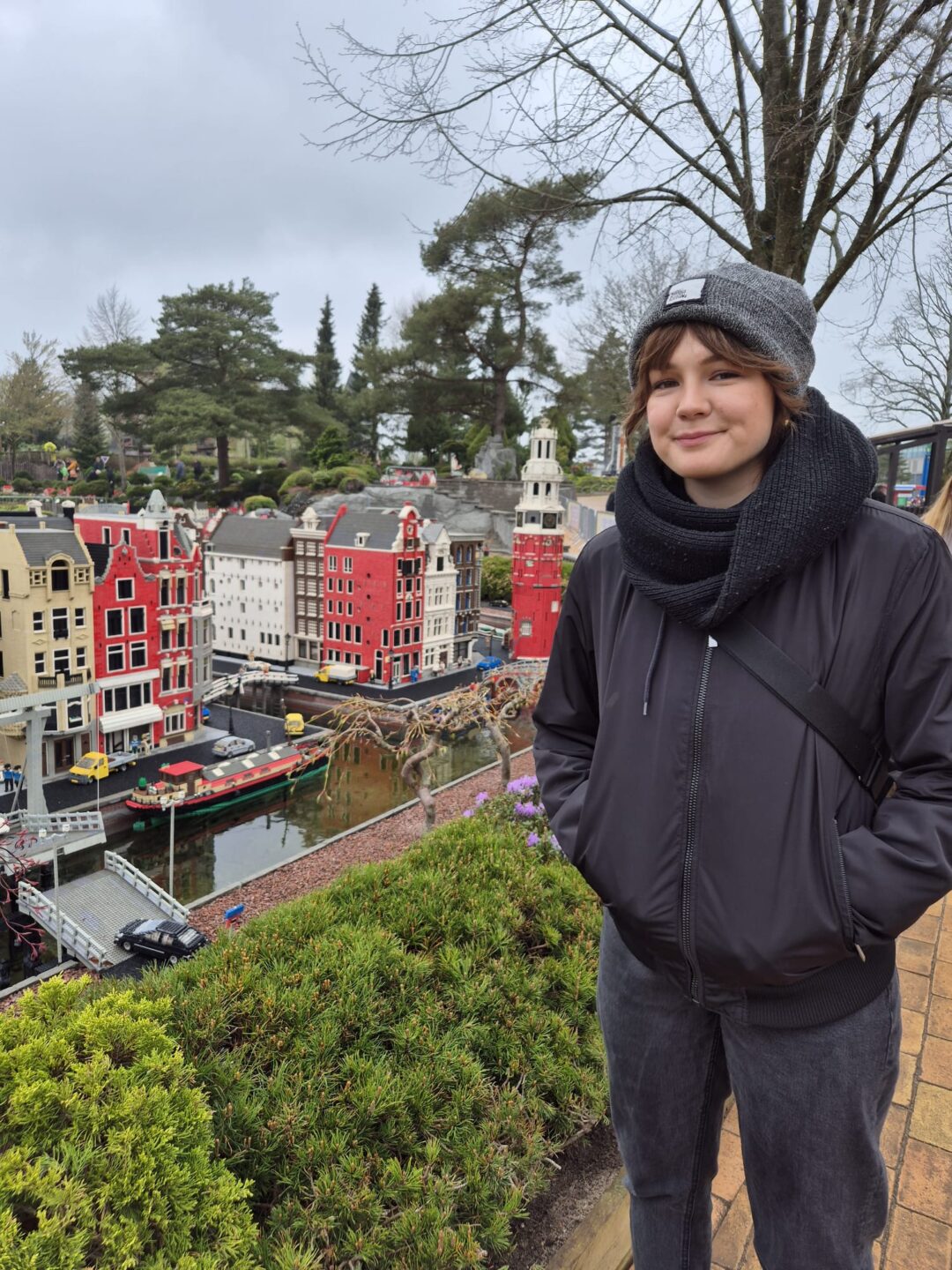
feeling
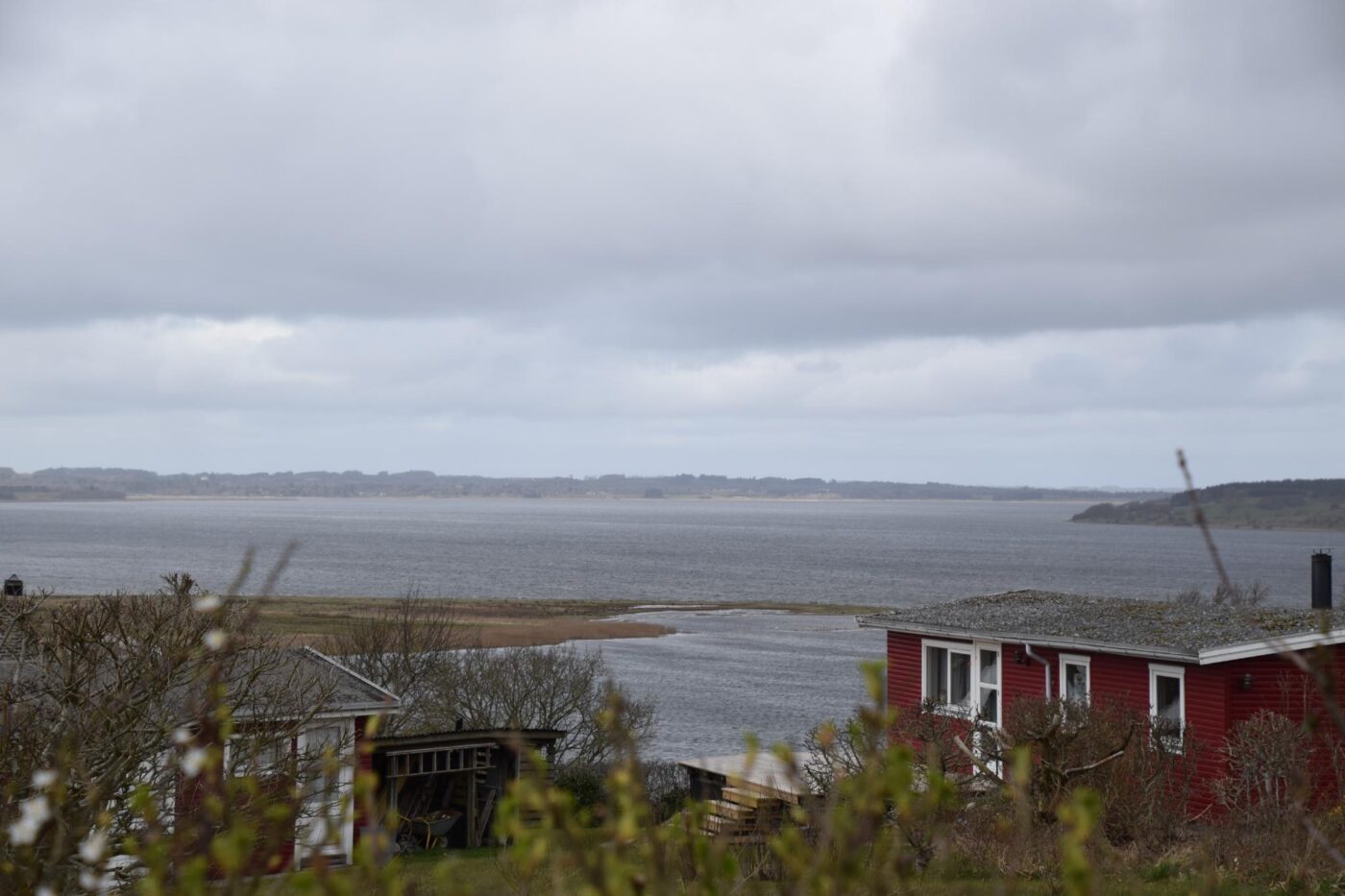
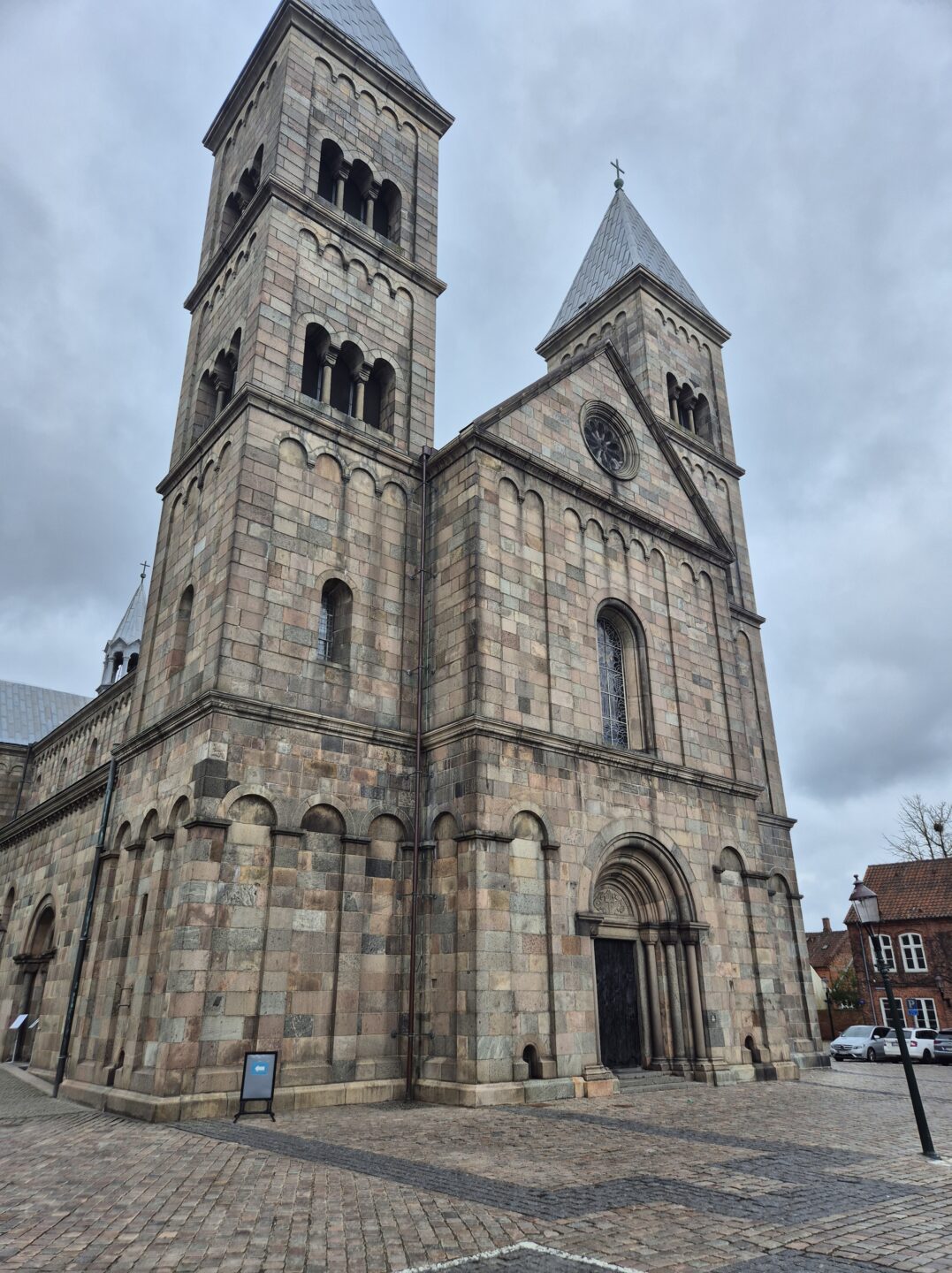
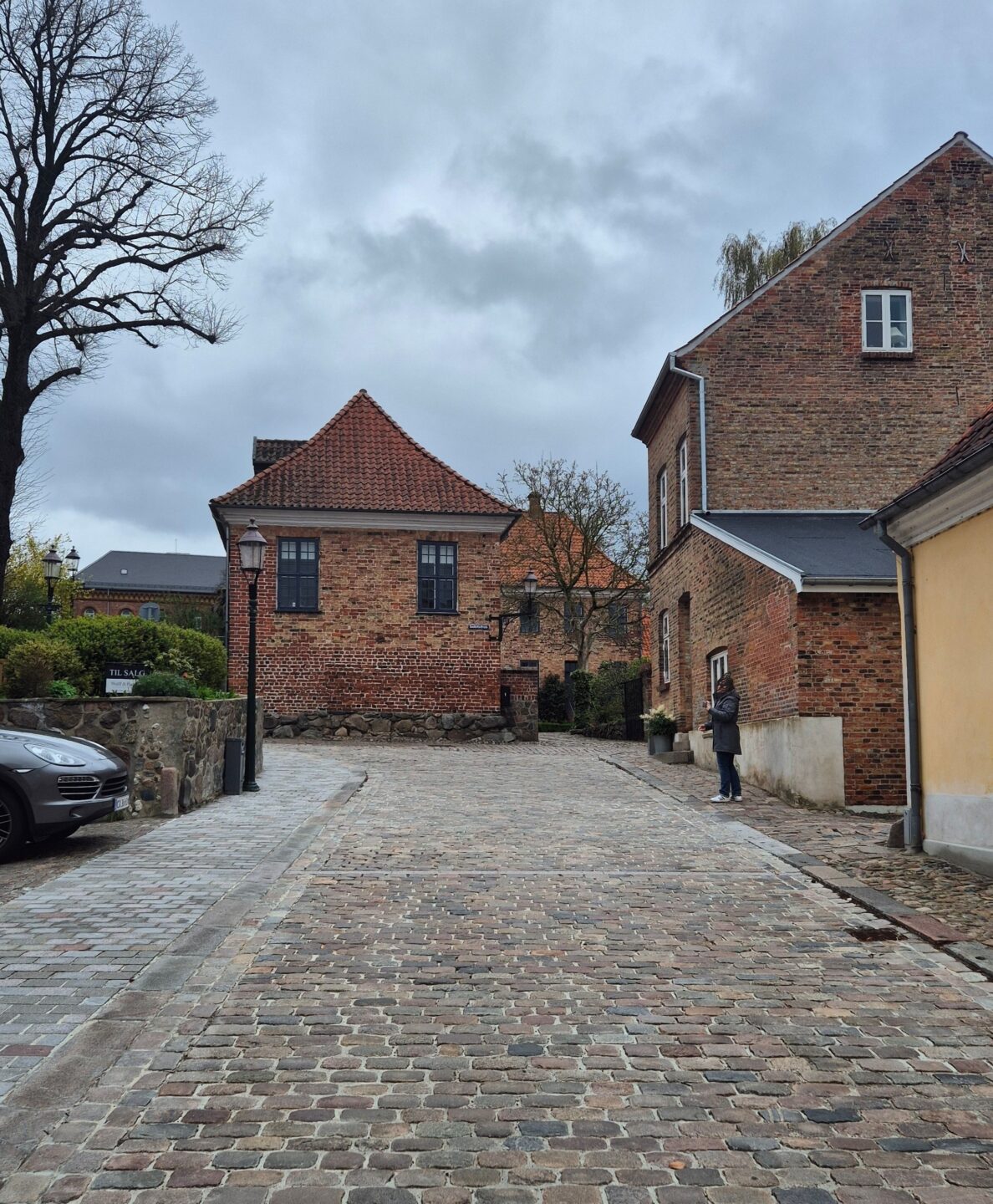
When I look back on my semester abroad in Denmark, I don’t just remember lectures or exams. Viborg—the historic capital and today the heart of the Midtjylland region—became the backdrop for a very different kind of journey. Starting in February 2025, for four months my everyday life unfolded in ways I hadn’t expected.
Unlike a typical exchange, I wasn’t alone; I was living abroad with my child. That changed everything. My perspective stretched beyond the university walls. I found myself observing schools and kindergartens, noticing how families balanced work and leisure, and sensing the rhythm of daily life in a new cultural context.
What surprised me most was not a dramatic culture shock, but the quiet realization of being part of a system that seemed to run differently—and perhaps more smoothly—than the one I knew at home. It was this subtle feeling of foreignness, woven into ordinary routines, that made the experience so memorable.
feeling
When I look back on my semester abroad in Denmark, I don’t just remember lectures or exams. Viborg—the historic capital and today the heart of the Midtjylland region—became the backdrop for a very different kind of journey. Starting in February 2025, for four months my everyday life unfolded in ways I hadn’t expected.
Unlike a typical exchange, I wasn’t alone; I was living abroad with my child. That changed everything. My perspective stretched beyond the university walls. I found myself observing schools and kindergartens, noticing how families balanced work and leisure, and sensing the rhythm of daily life in a new cultural context.
What surprised me most was not a dramatic culture shock, but the quiet realization of being part of a system that seemed to run differently—and perhaps more smoothly—than the one I knew at home. It was this subtle feeling of foreignness, woven into ordinary routines, that made the experience so memorable.
coffee
observtions
I sat in the Coffee, had sonoticed something unusual. At four o’clock, the streets filled with families on bicycles, parents heading home, children in cargo bikes. Cafés were busy, not with stressed workers checking emails, but with people enjoying their free time. I suddenly realized: this was foreign to me. Not because of language or culture, but because everyday life seemed organized in a completely different way.
But what was it Exactly?
CHILDREN
The first thing I noticed in Viborg (probably also because I am a mother myself) was that children are an active part of society. At the university, I was always encouraged to bring my son along. In the foyer there were toys and highchairs, and other parents (employees or students) had their children with them too. The children were allowed to be loud, to play, to interrupt, and to explore.
Neither in cafés nor in shops did I feel the need to “keep my child quiet” so that he would fit into adult society. On the contrary: he was smiled at, people made space for him, and at the checkout others waited patiently without giving “angry or annoyed looks.”
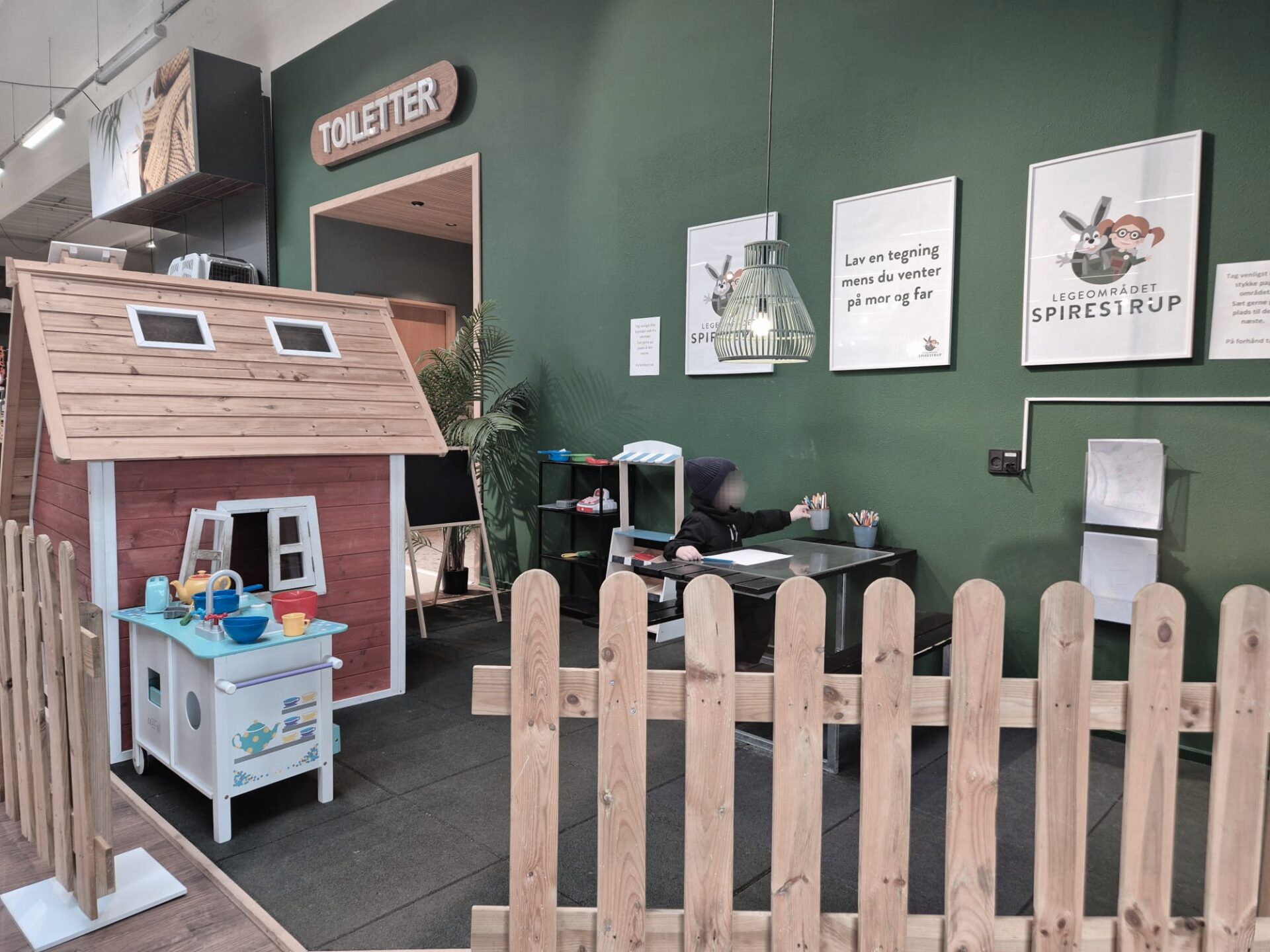
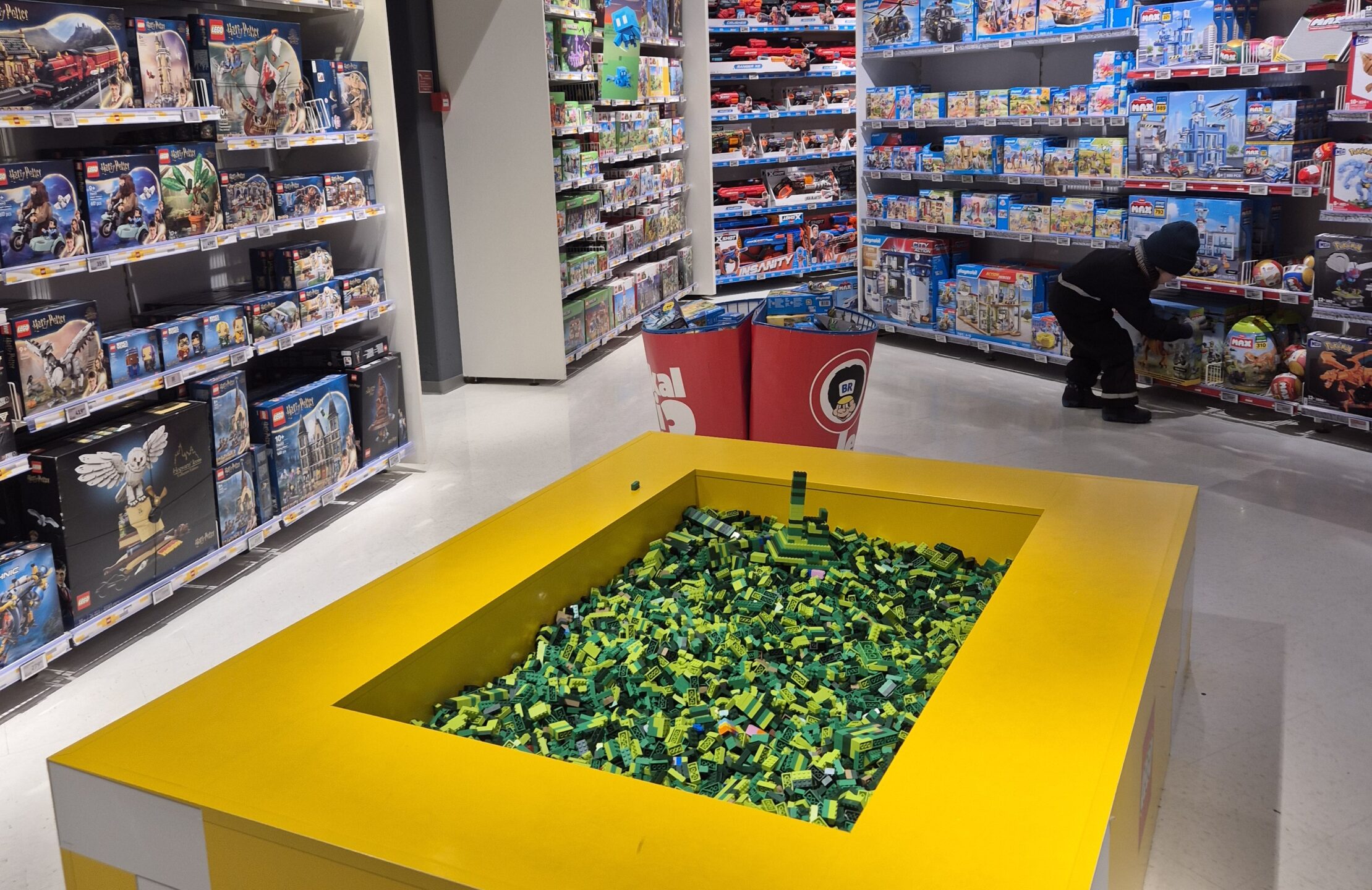
In supermarkets, play areas are built in where children can play while adults shop. There are many playgrounds, and children are a visible part of the cityscape. At festivals or events, children are always taken into consideration.
This felt very different from Germany. My child and I felt comfortable, welcome, and seen.

education and hierarchies
We were told a lot about the way children are raised. In Denmark, people take pride in their approach to education and in the way, children are treated and perceived. They are seen as little human beings who have much to learn—and who learn best through their own hands, curiosity, and interests.
In Denmark, campfires with bread on sticks and marshmallows are a common activity. Children quickly learn how to build a fire themselves, how to behave safely, and what might be dangerous. They learn to climb, and when they fall, they are encouraged to try again. In some kindergartens, learning empathy is part of the curriculum. Children are taught to recognize emotions—not to judge them, but to respect them. They are not showered with praise or constantly rewarded, and regardless of the weather, they go outside every day.
Education revealed another layer of foreignness. On the very first day of class, an older man sat down right beside me, introduced himself as Poul and started talking. During the welcoming ceremony I realized he was the school principal.
The teachers - whether professors, employees of the town hall - or officials from the Aarhus administration always introduced themselves by their first names and addressed me by mine. That felt strikingly different, almost as if we were meeting at eye level. Yet the respect for these people was in no way diminished.
In meetings, assignments, group discussions, conflicts, or conferences, everyone had an equal share of speaking time and was taken seriously. Even students had a voice, and most of the time, it was the one in the foreground.
work-life
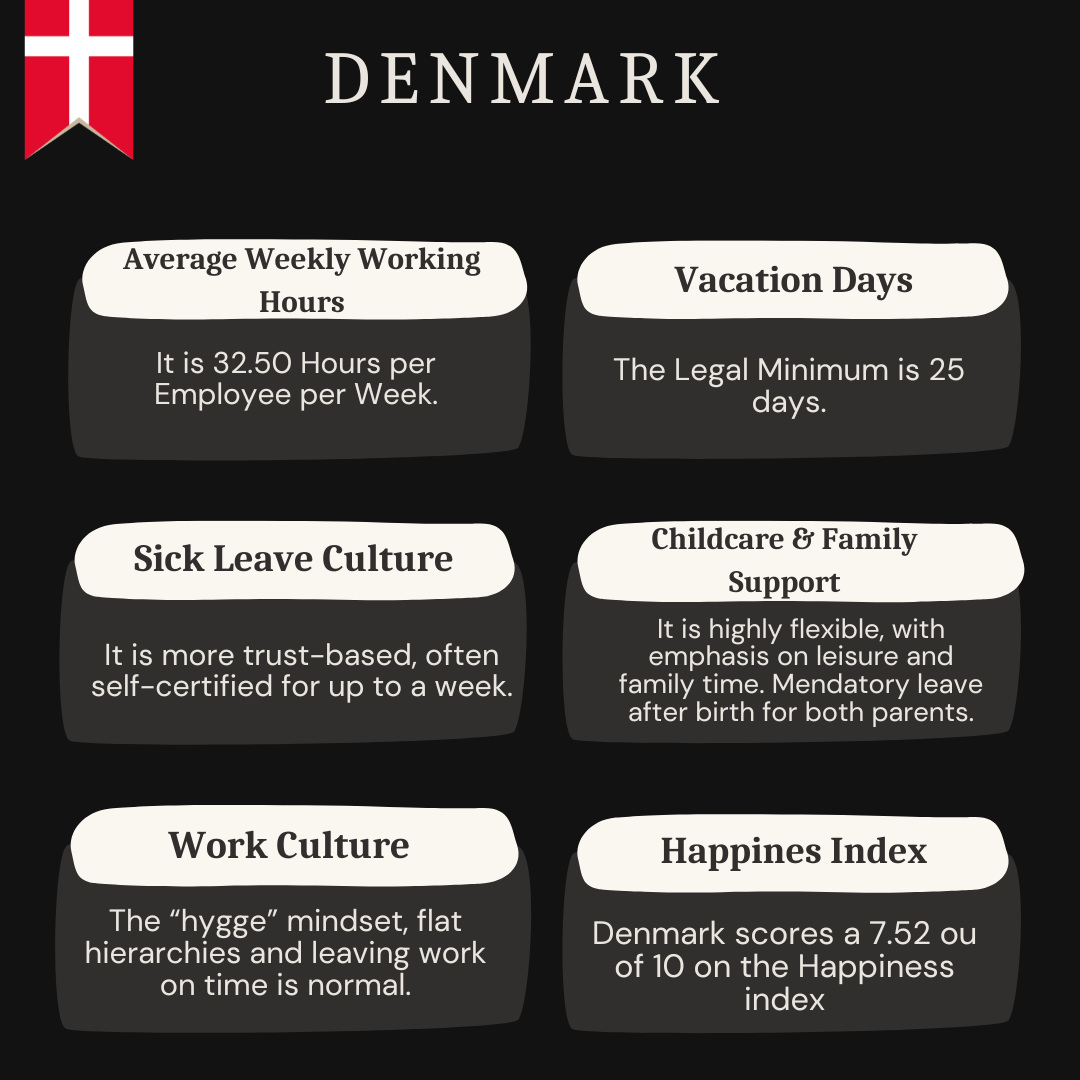
I experienced a society where work-life balance was not just a slogan but a lived reality. People did not stay late at the office, and financial worries seemed less dominant. The system provided security, and evenings belonged to family and leisure.
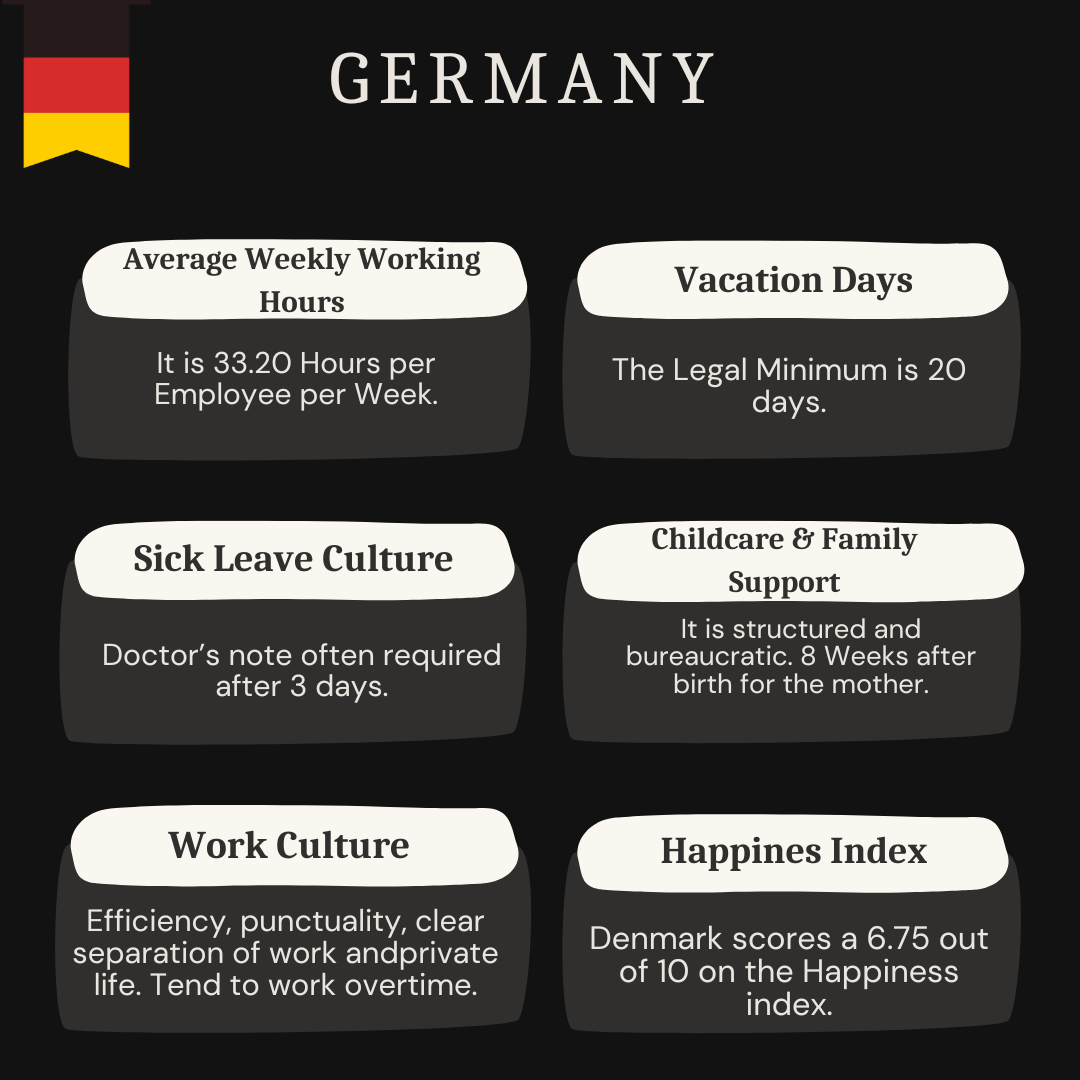
Taxes are high, but people accept them because they know they receive something in return. Parents do not have to worry about finding daycare places for their children, schools have space available, and there is enough time for family, hobbies, and friends. The difference in income between professions is also much smaller than in Germany, which means people tend to choose the career they truly want rather than the one that simply pays more.
Daily life also felt much more digital and efficient. There was no endless waiting for applications to be processed, no long queues at offices. Everything was faster and smoother, which made everyday life—and especially professional life—considerably easier.
Even though shops were open every day and there was no “typical Sunday” as in Germany, people seemed more relaxed and less exhausted. This is because they are shown that work is not more important than private life. They know that at the end of the month they will have money left over, that they can afford things, and that a realistic future with a home lies ahead. They arrive at work on time and leave on time. Overtime is not the norm and is generally avoided.
At university, we almost never had classes later than three o’clock. We were often asked about our daily schedules so that lessons could be adjusted to fit around leisure time. People are not only shown that every profession is equally valuable, but also that every profession is equally balanced with private life.
Denmark
health and
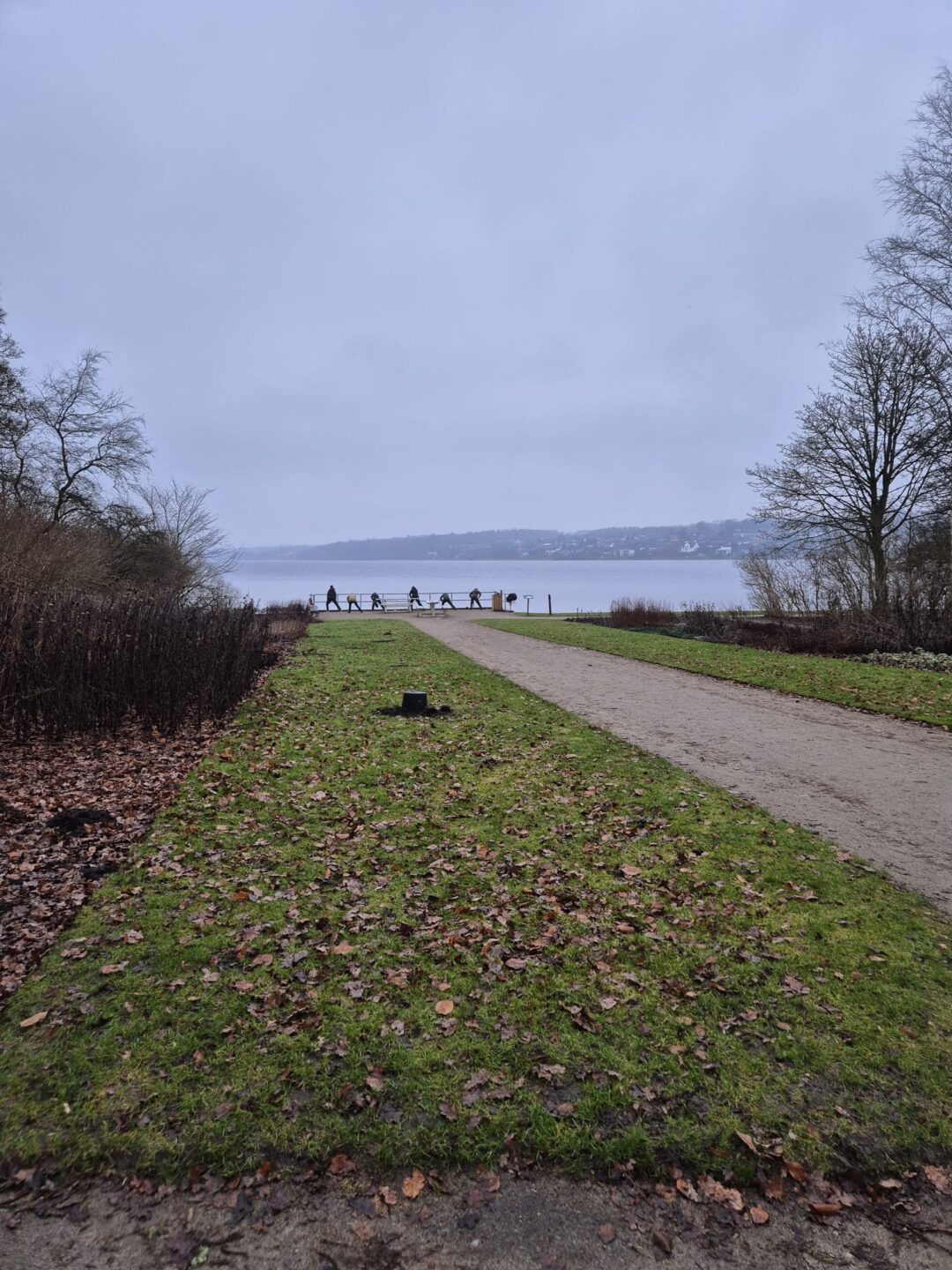
Health and lifestyle also felt different. The topic of health and movement carries a very different meaning in everyday life. In front of the university, there were usually more bicycles than cars. In class, we had sports at least once a week. Smoking was rare - so rare that I quit myself - and daily routines seemed healthier and calmer.
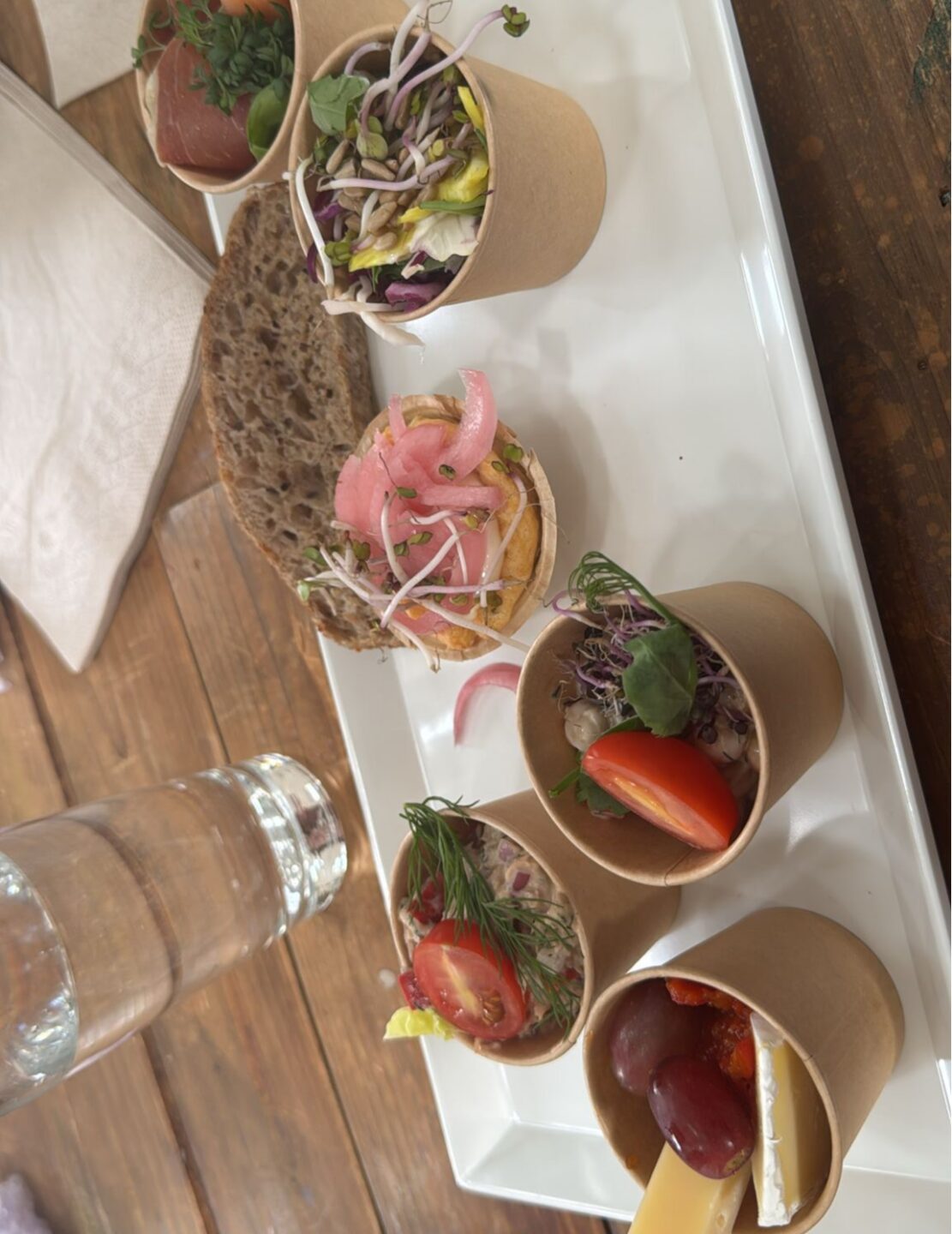
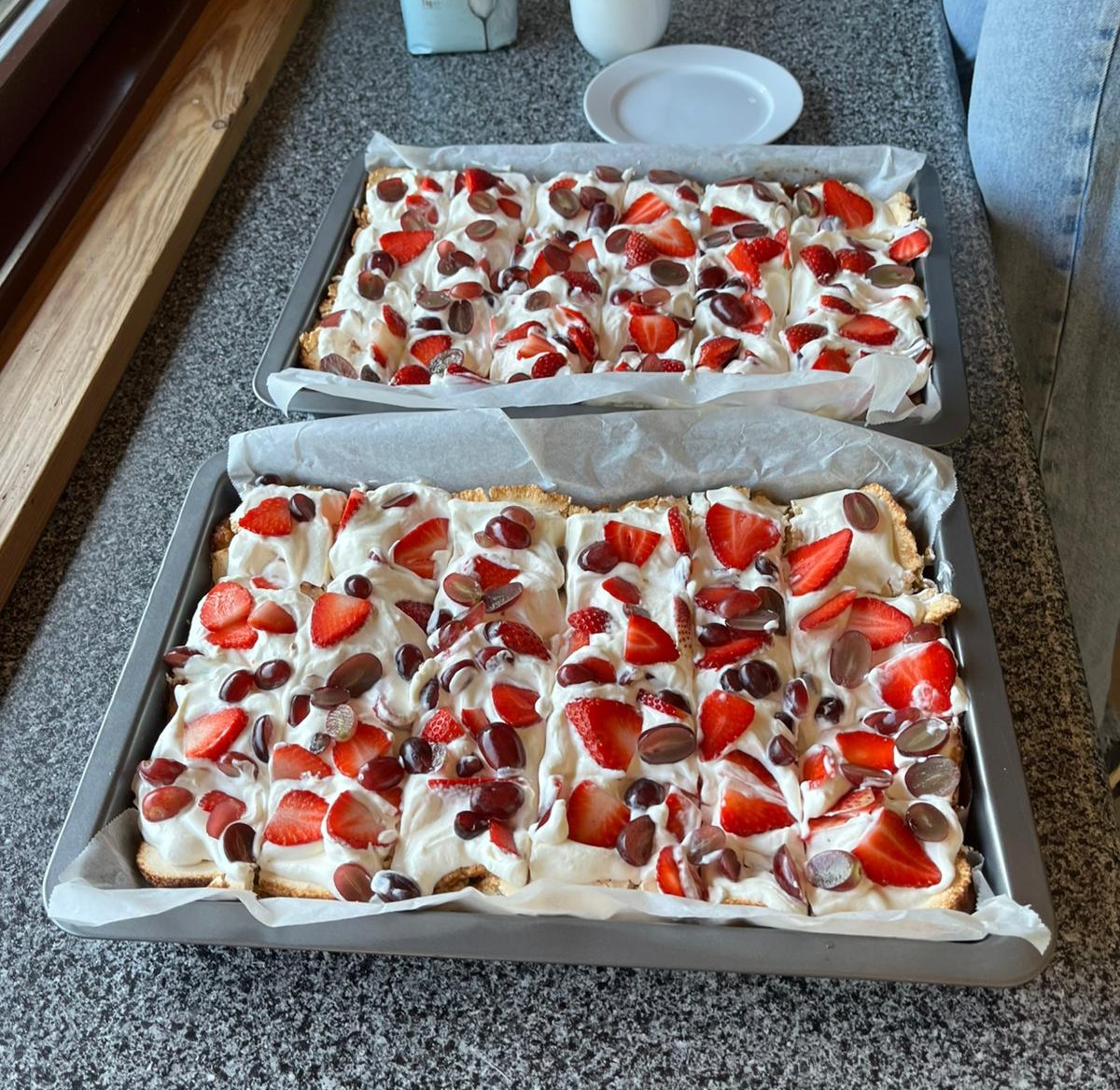
At the university, there were ping-pong tables, musical instruments, and other activities for students to enjoy during breaks. The food was different too, with many varieties of salads. Yet the everyday sense of hygge was never lost. Cinnamon rolls and hot cocoa remained a staple—cozy and comforting, just as much a part of a balanced life as sports and fruit.
For me, the Danes were the opposite of “people pleasing.” They are kind, welcoming, and friendly. They talk with you, help when you need something, but often maintain a certain interpersonal distance. We were told that many people in Denmark tend to be more reserved, focusing on their own lives. This does not mean they are selfish; rather, they prioritize themselves and their closest relationships, knowing that only when they are well can they truly care for others.
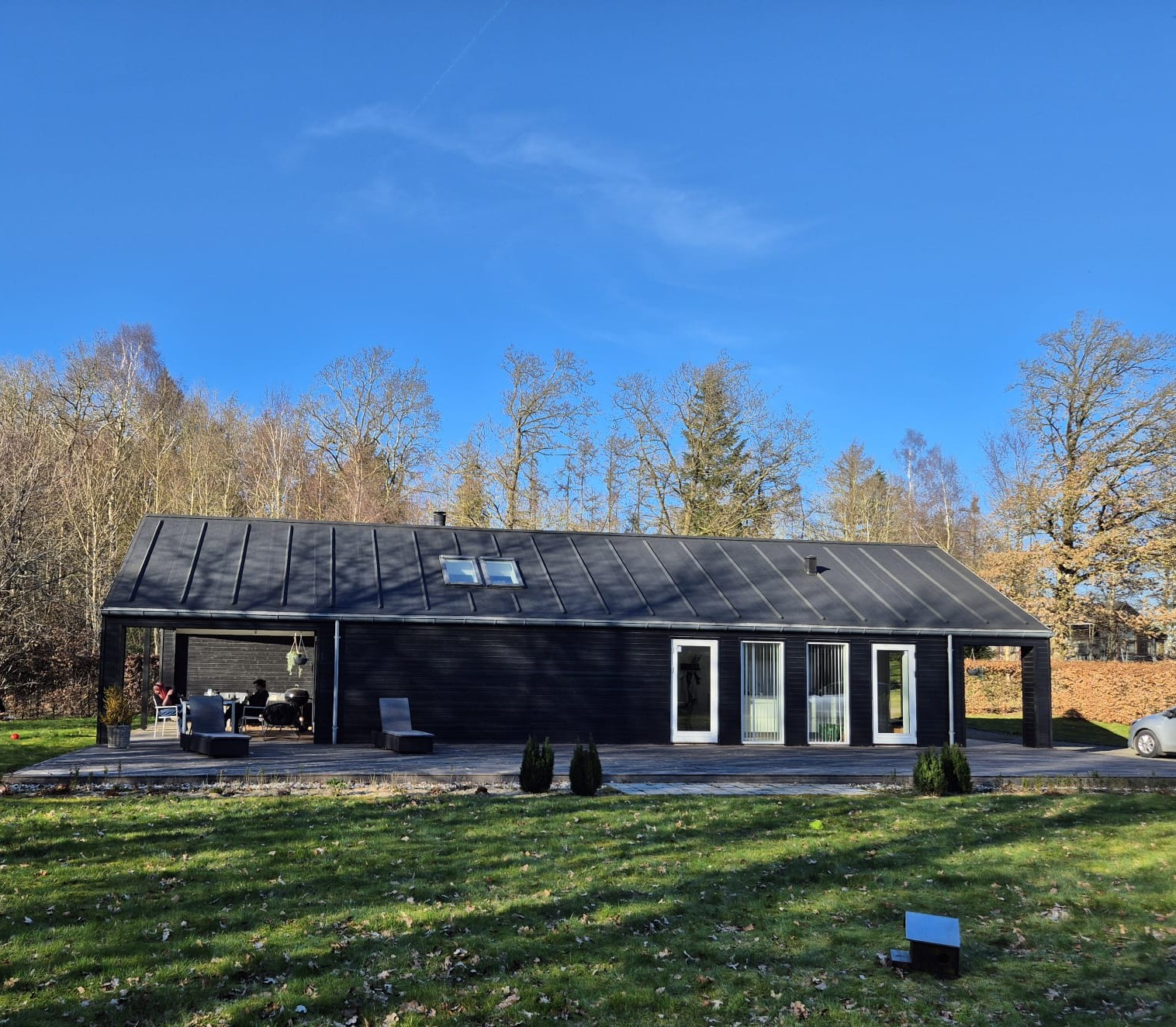
I especially liked the comparison our teacher made, likening Danes to their houses. Outside the larger cities, homes are often surrounded by space, and you have to walk or drive a while before reaching the next property. Still, everyone knows who lives where and how their neighbors are doing. If help is needed, neighbors step in. They are reliable and very friendly—but they do not open their doors immediately. Instead, they open them slowly, little by little. Once you are inside, however, you are part of the family.
This felt good and took away social pressure. It was reassuring to know that saying “no” is not automatically seen as selfish or personal.
sounds perfect, right?
... right?
Even though Denmark often appears progressive, modern, and open-minded - and in many ways it truly is - it is important not to overlook the aspects that seem less positive. Personally, I sometimes felt that topics such as inclusion, which are frequently discussed, were rather treated on the surface. A few of my fellow students also seemed to lack a broader perspective beyond their own national borders.
A system like the one Denmark has can only function by making certain compromises. Unfortunately, these compromises are often made at the expense of people who are perceived as not “Western enough.” One example is the so-called Ghetto Law and other political decisions.
Yes, Denmark is a pioneer in many areas and often serves as a best-practice example. But it is important to remember the mechanisms that make this possible. From my experience, some people tend to rest on the country’s reputation without questioning it more deeply or progressively developing.
the
AND WHAT I BROUGHT BACK HOME
My foreignness in Denmark was subtle but profound. I did not feel lost or excluded; instead, I was confronted with the possibility that everyday life could be structured differently. My biggest takeaway: sometimes being abroad means realizing how systems shape our lives—and how foreign it feels to live inside one that works better.
I became aware once again that success—both economic and personal—does not come from working excessively, but from appreciation. In Germany, value is often placed on the wrong things, and the constant rush tends to slow us down rather than move us forward.
Although the country is not far from my homeland, everything felt very different. Still, I would not want to live there permanently. The weather affects my mood too quickly, and despite all the friendliness and openness, many views and solutions seemed too superficial to me.
What I take with me: the slower pace of life that paradoxically allows you to move forward faster. The ability to pause, to say “no” without guilt. The understanding that children are not “too loud” and that they can eat their cake in a café just like everyone else—exactly as they wish. That less hierarchical structures can work, and that people in jobs they enjoy make better workers than those who simply chase higher pay. And that granting people their leisure time does not mean they neglect their work.
GOOD TO KNOW:
rated
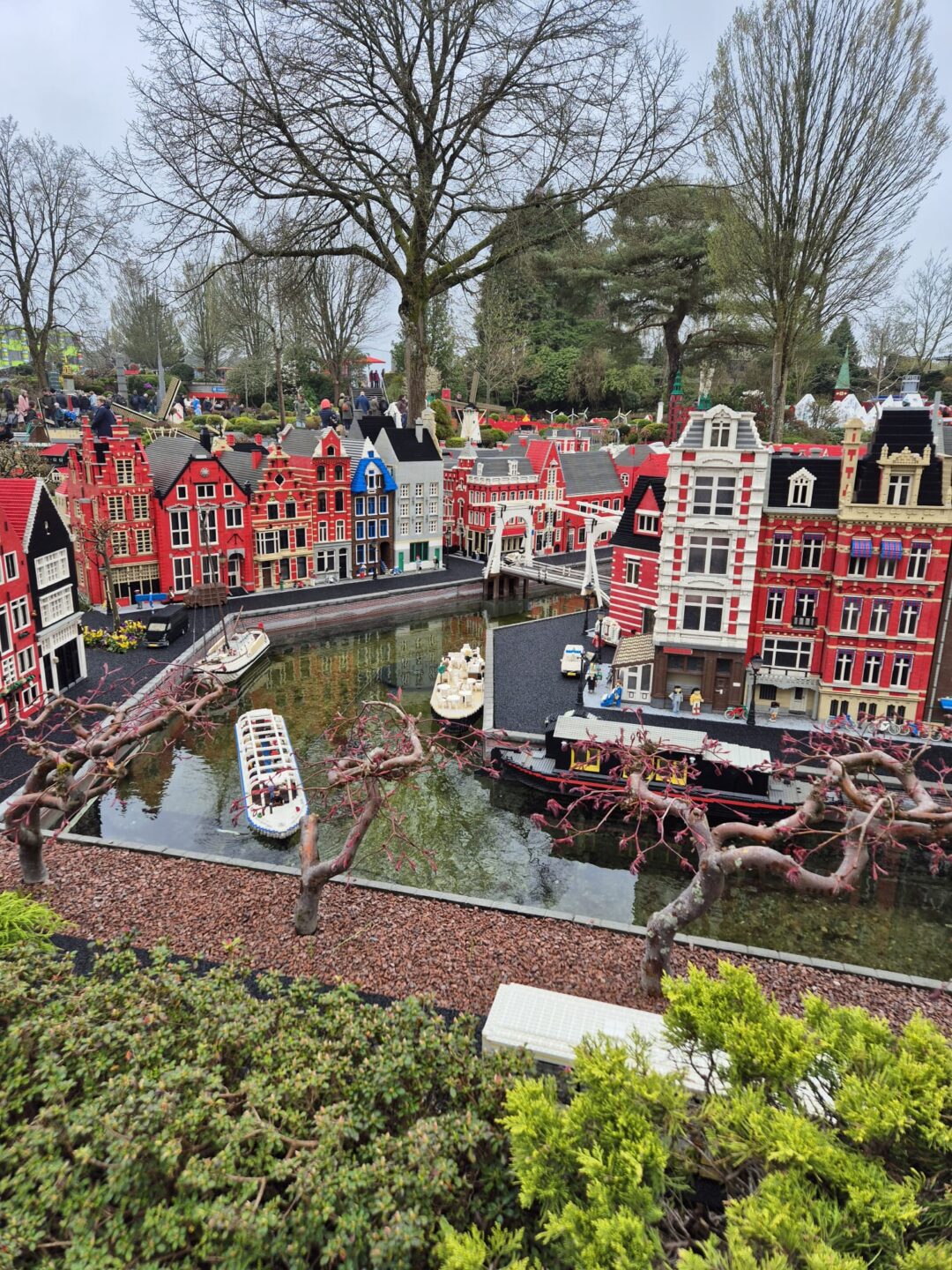
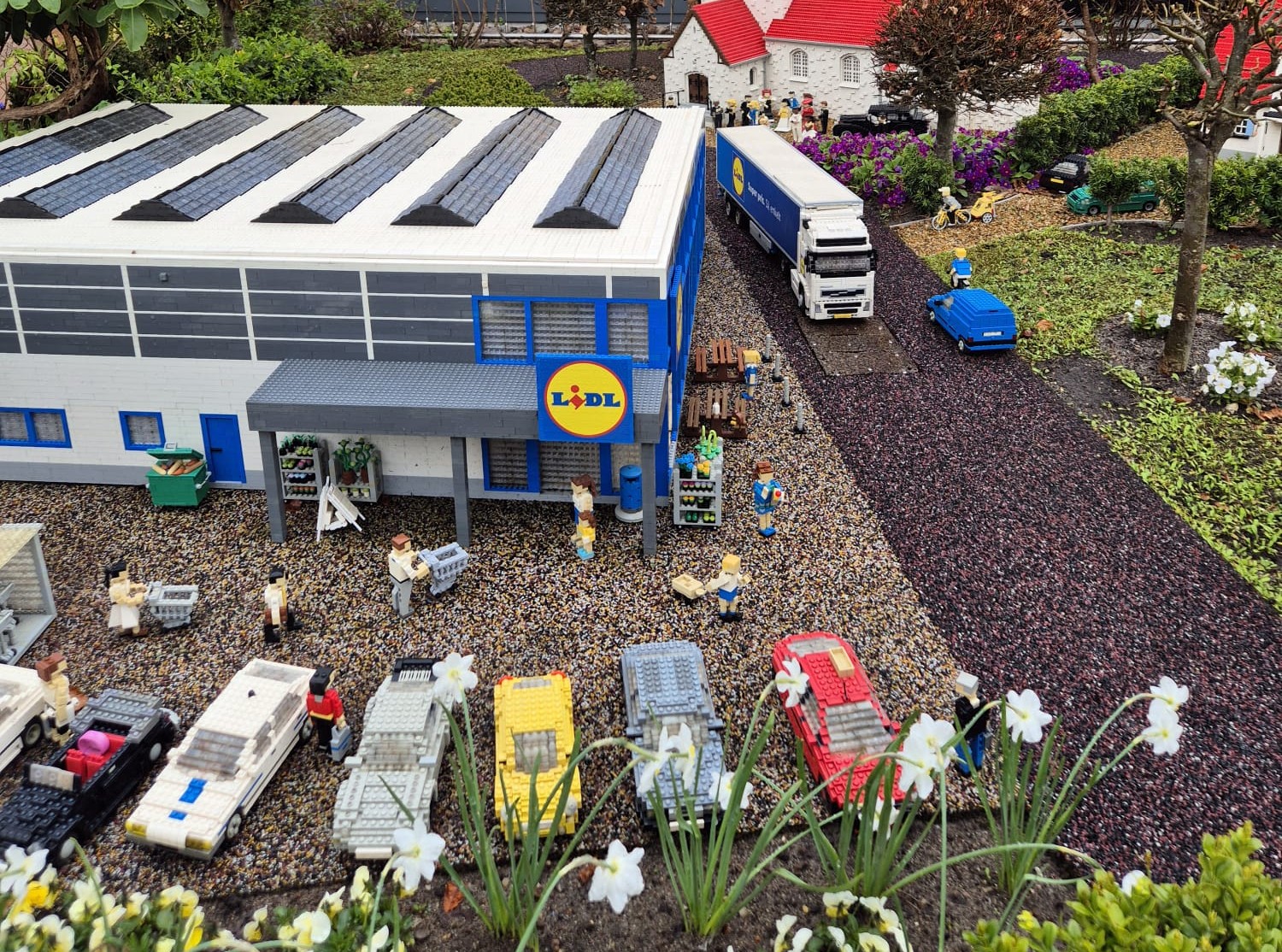
Everyone tells you it’s a must-see, but honestly, I found it overrated. The park felt smaller than expected, the prices were extremely high, and many attractions weren’t even accessible. For the hype it gets, the experience was disappointing.
2.5 stars for good food and bright children's eyes
rated
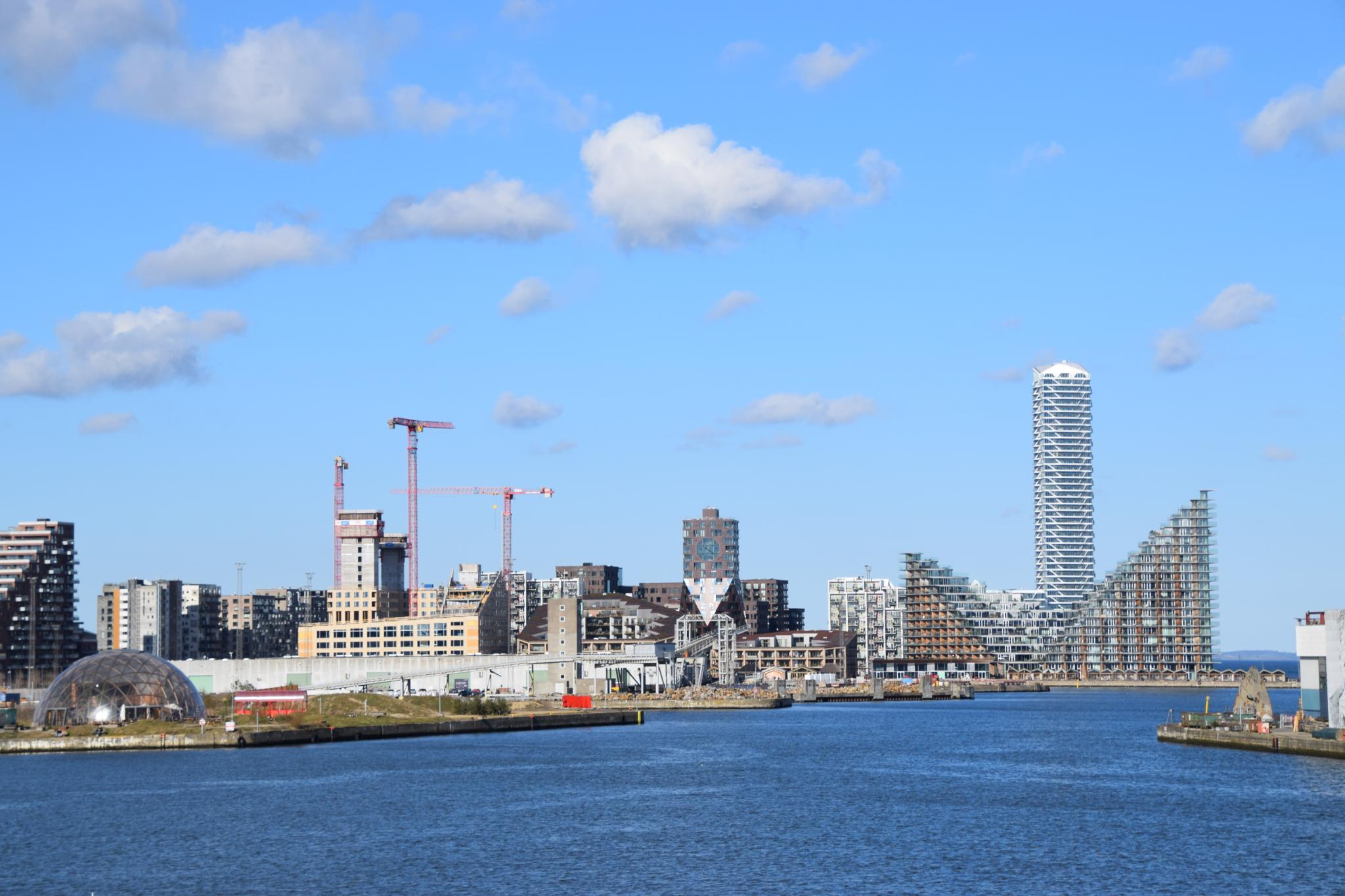
One of the thing that truly fells underrated is Aarhus: a beautiful city with charm beyond the tourist hype. Another thing which impressed me were the playgrounds, lovingly designed with creativity and care, and the everyday encounters with animals when you don´t life in the city.
almost 5 stars For kids’ entertainment, beautiful cities, and plenty of animal‑hugging moments!