
Lost Between Words
Becoming A Stranger in China
My Idea of China
First Contact With Unfamiliarity
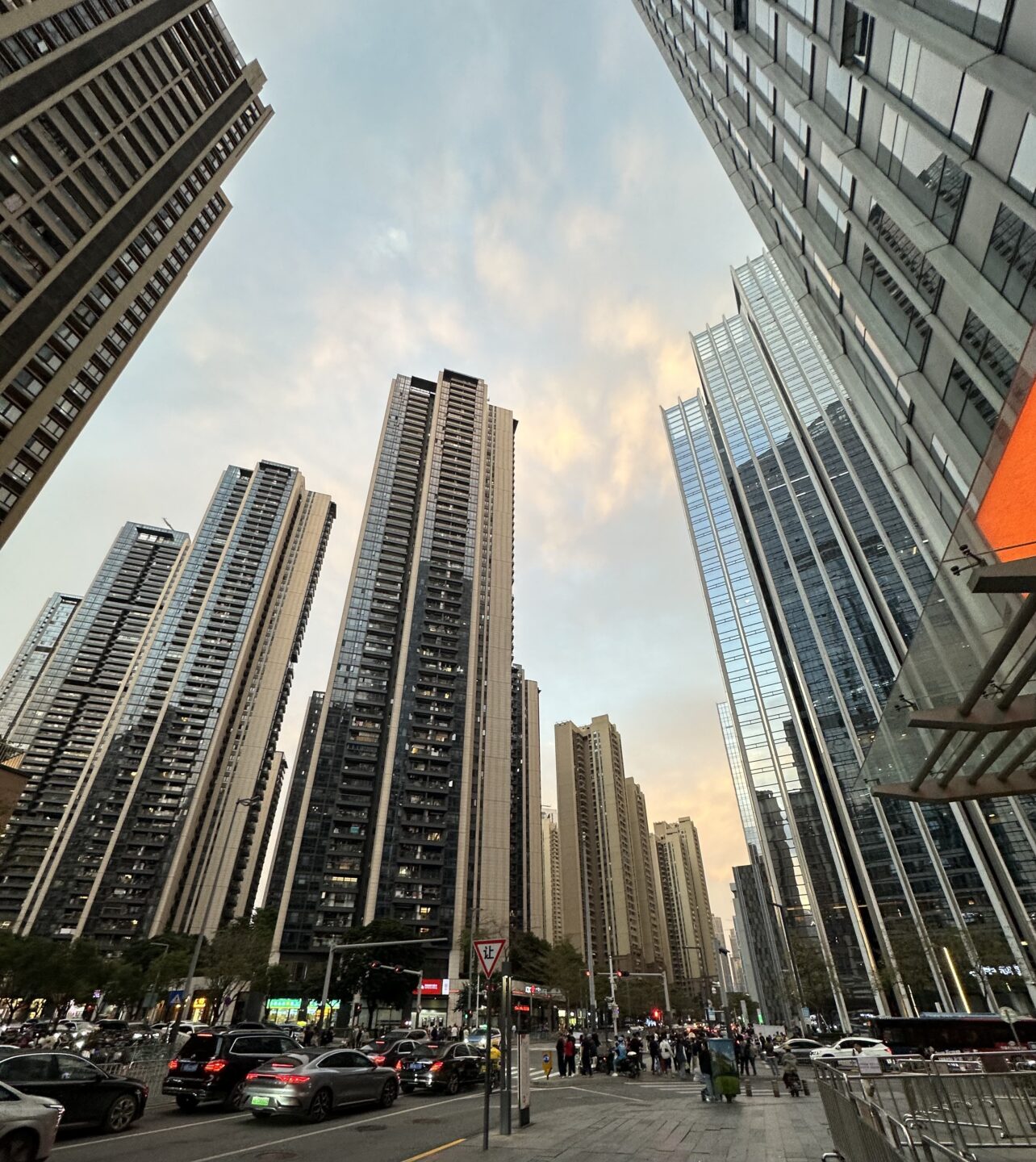
After 16.5 hours and two flights, my imagination suddenly became reality as we finally landed in Shenzhen. It was my first time ever travelling to a different continent than Europe. The airport was huge and modern, and stepping outside felt surreal: palm trees, warm ocean air and 23°C greeted us, while back in Prague, where our trip started, it was still cold and snowy. It immediately felt like a different world.
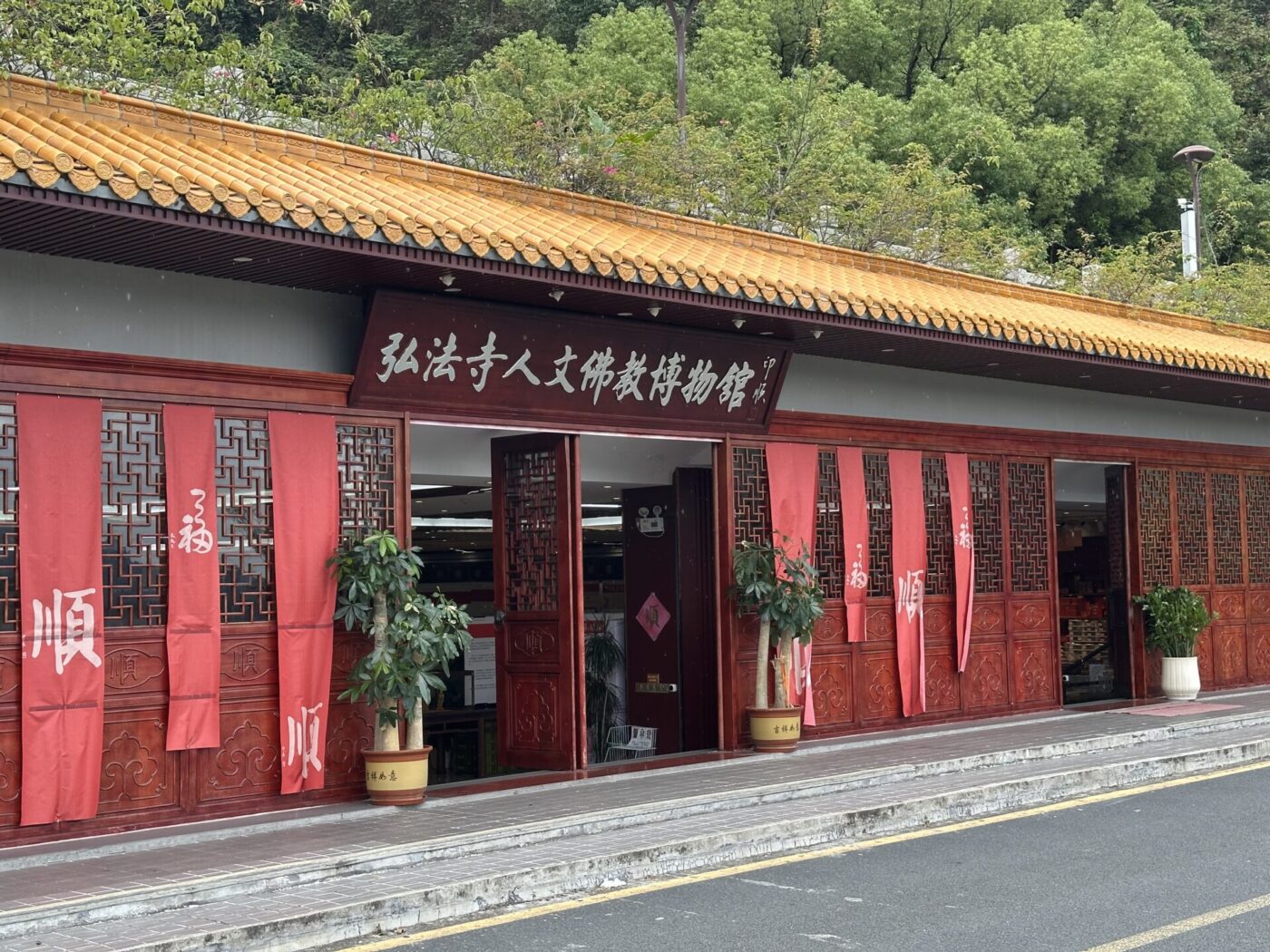
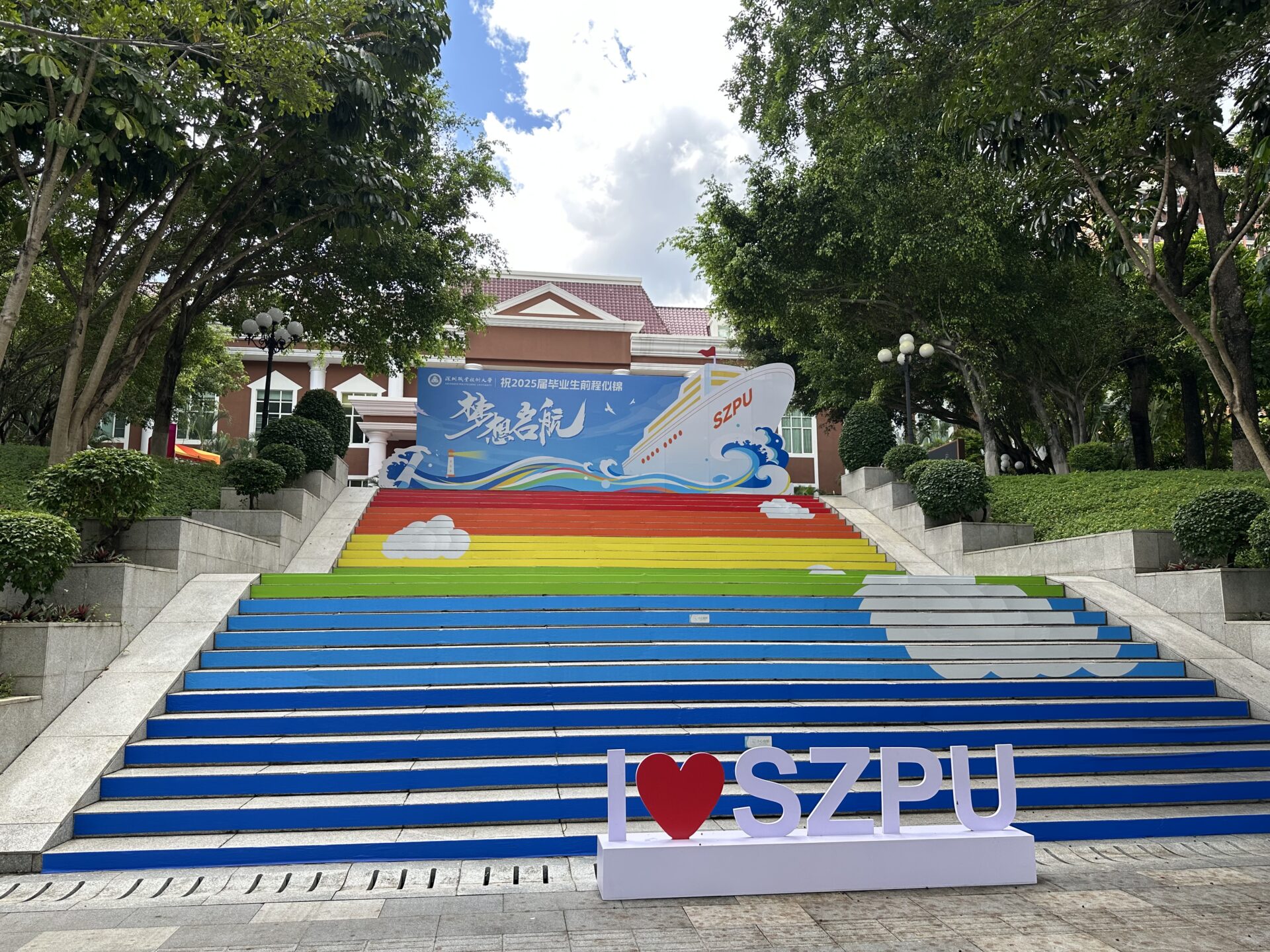
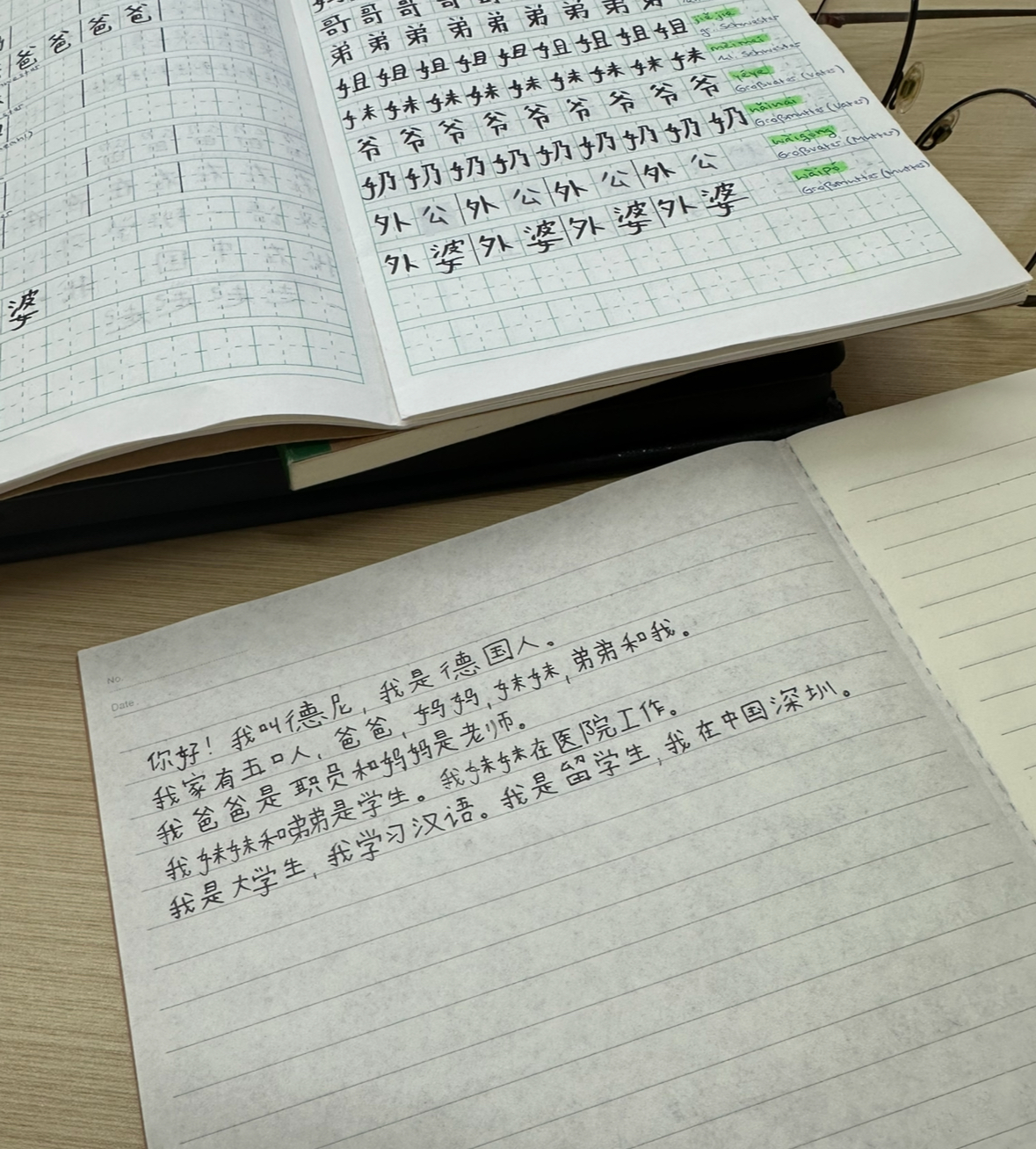
Shenzhen Polytechnic University had organised a bus to campus, and one of our teachers came to welcome us at the airport. This small but very helpful gesture eased my nerves a bit, as arriving in this unfamiliar world felt overwhelming. And I soon noticed how overwhelming the simplest things could be: at the airport, I couldn’t read most of the signs, understand the announcements, or follow most conversations around me. For the first time, language was not just a small inconvenience but a constant barrier. And although I had started learning Chinese on my own a few months before my departure, my knowledge felt very limited and far from enough to truly understand or interact. Everything felt confusing and I often didn’t know where to go or what was happening.
This feeling was even stronger because it was my first time travelling without my family, outside of Europe and for longer than two weeks. Without familiar reference points or the ability to ask for help easily, I felt disoriented and unsure of myself.
The first days were busy and exhausting and I even got sick during the first week. Yet these early experiences made one thing clear to me: how deeply I depend on language to feel safe and comfortable. In China, where I couldn’t read signs or understand the people around me, I truly began to understand what it means to be a stranger.




Overcoming Obstacles
Living in China was at first a constant reminder of how unfamiliar the world can feel. Simple tasks like reading signs, understanding announcements, or asking for help often felt impossible, and the language barrier made me aware of just how much I relied on words to navigate my surroundings.
Navigation and translator were incredibly helpful, guiding me through the city and allowing me to communicate in basic ways, but they were no real substitute for truly understanding the language and culture. One of the many things I was most excited about when returning to Germany was the ability to fully understand my surroundings again and communicate with everyone easily.
Living as a stranger in China taught me how much I take language for granted and how essential it is for feeling confident, safe and connected in the world. My semester abroad was not just an academic experience – it was a lesson in patience and adaptation and the small victories that come from navigating the world on my own.