

SAUDADE
The Feeling I Carried Home from Portugal
Arriving in a Foreign Country
As I left Lisbon airport, a warm breeze blew towards me. I immediately slipped out of my thick jacket and winter scarf, which I had thrown on because of the snowfall that morning in Germany - luckily, as it turned out later...
On my way from the airport to the train to Santarém, I already encountered the Portuguese friendliness. When I stood somewhat helplessly in front of the ticket machine in the Lisbon subway, someone immediately offered to help me, and a little later, another person carried my suitcases up the steep train stairs for me.
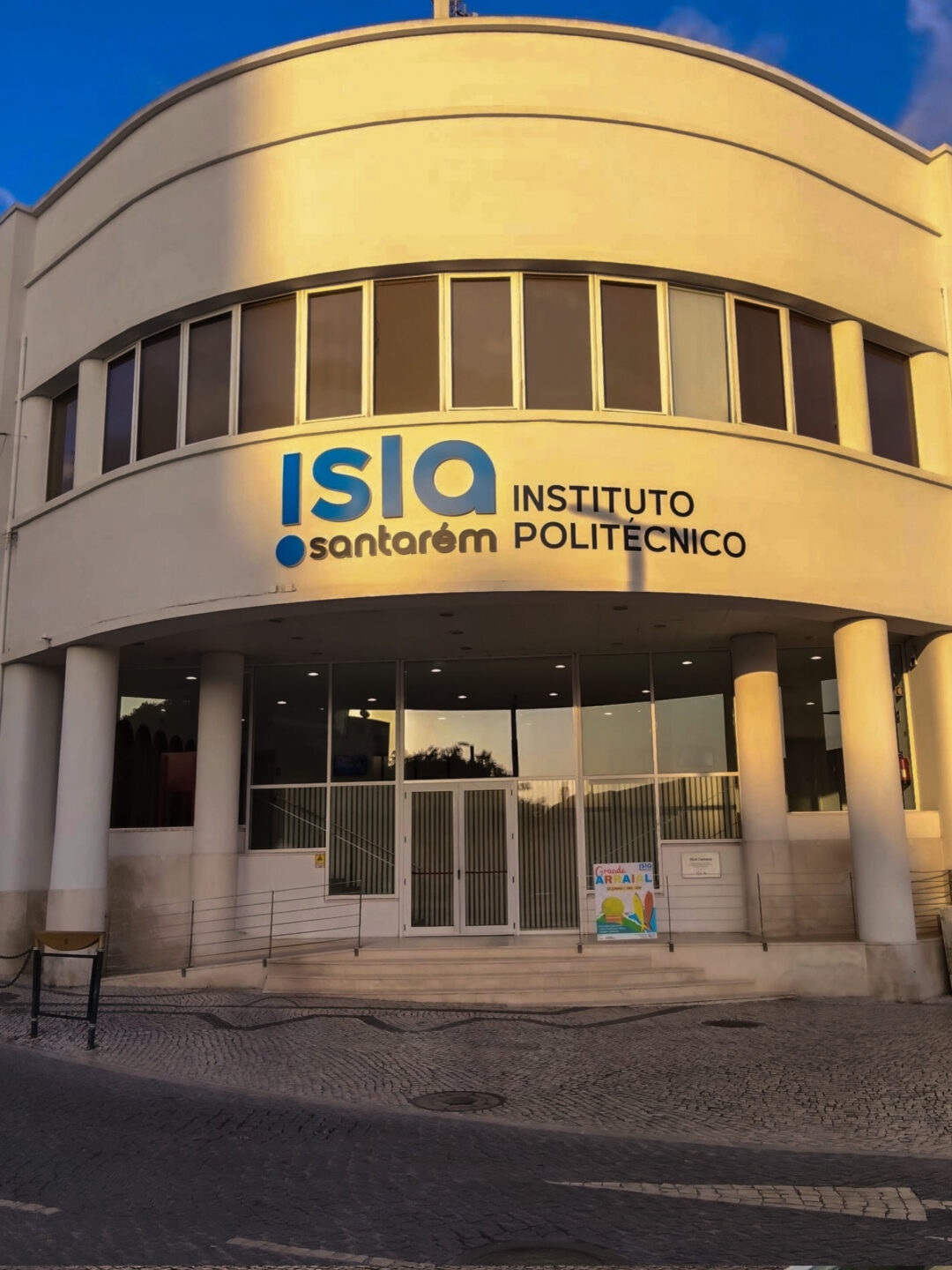
But that feeling faded away the moment I entered my new home and was warmly welcomed by my roommates. Although they spoke almost exclusively Portuguese, we quickly found a way to communicate with the help of gestures and a translator. One of my roommates was from Brazil and had only moved to Portugal at the beginning of the year. She immediately agreed to show me around the city and the way to the university that evening. We also went shopping together, which I was particularly grateful for. Although I could find my way around the supermarket, I would have been overwhelmed by the questions at the checkout if I had been alone.
Late in the evening, I fell into bed exhausted but full of gratitude. As soon as I entered the shared apartment, my homesickness immediately disappeared, and I fell asleep relaxed.
Where I lived...
The First Few Weeks
Everything Is New, Everything Is Overwhelming, Everything Is Exciting
The first few weeks in Portugal were incredibly impressive. Every day, I was bombarded with so many new impressions that I was completely exhausted in the evenings, even though not much had happened during the day itself.
At university, I encountered many things that were initially unfamiliar to me. Even the daily routine was very different. The earliest module didn't start until 9:30 a.m., which I found very pleasant. In fact, lectures usually started 15-20 minutes later. Often, the classroom was still locked and we waited for the professor to unlock it. After that, he would usually take his time to grab a coffee in the cafeteria, chat with colleagues and other students, and then come to the lecture relaxed. There, he would commonly briefly talk to us about how we were doing and about life in general before starting with the content. Some lectures didn't start until the evening and ended around 10:30 p.m. At first, this was very unusual for me, but I got used to it over time.
The language of instruction was exclusively Portuguese - one of the main reasons why I found the lectures very exhausting. I had to concentrate particularly hard just to understand individual words. At the same time, there was a constant babble of voices around me that my head was trying to understand. This unconscious translating made it almost impossible to block out the many different conversations and concentrate on my work.
Since many students went straight home after classes, there was hardly any classic student life as I was used to in Germany. The language barrier made it even more difficult to make new contacts. It was precisely this point that often made me feel like a stranger and not part of the university community.
Unfortunately, the pleasant weather that greeted me on the day of my arrival did not last long. The entire month of March and half of April were cold and rainy. At first, I thought I had been too naive when packing: south = warm, so I don't need any thick clothes. But in conversations with the Portuguese, I learned that this weather was unusual for this time of year. In the evenings, temperatures dropped to almost zero degrees, and during the day they rose to just above ten degrees. During this time, I was very glad that I had decided to bring a thick jacket and scarf with me after all.
Due to the proximity to the Atlantic Ocean, the rain here was also much heavier than I was used to. When it started to rain, it was so heavy that even an umbrella was not enough. In addition, there was a strong wind, so the only refuge was a shop or a house entrance.
Many of the older houses in Portugal are also poorly insulated and do not have heating. As a result, my apartment got really cold. My roommates and I sat in the kitchen wearing thick jackets while we ate. At that point, I considered myself lucky that my room was on the sunny side of the building, so I could at least warm up a little when the sun was shining. The other Erasmus students had the same problem. One evening, we went to a shopping center, searched the stores for small portable heaters, and finally found what we were looking for. At the same time, we were able to take advantage of the winter sales. From then on, life in our apartment became much more comfortable.
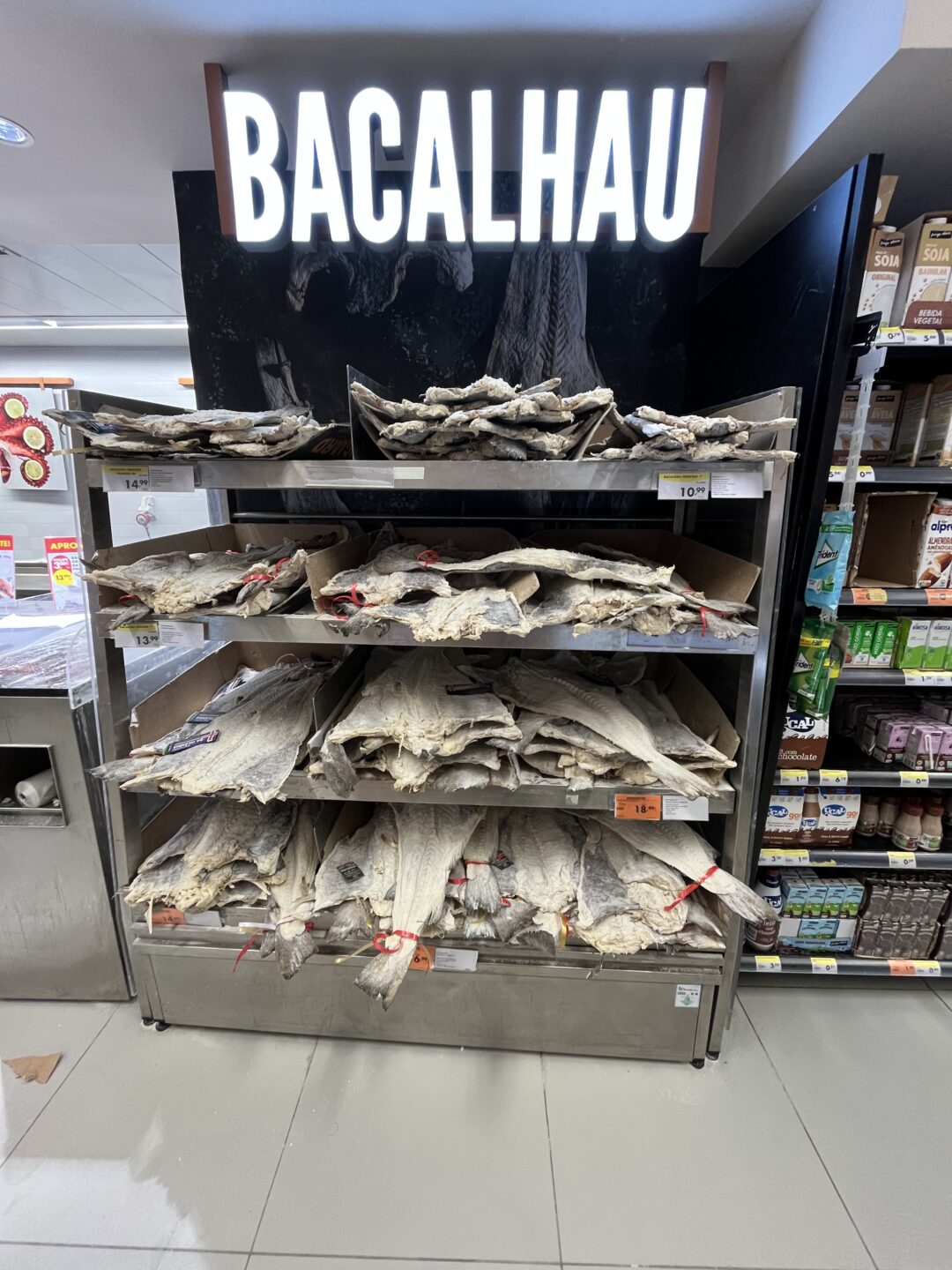
Often, when I entered a supermarket, an intense fishy smell immediately hit my nose. Most larger supermarkets have their own fish section, where huge pieces of dried fish are displayed, among other things - the source of this smell.
Vegetarian products such as salads or sandwiches, on the other hand, were rare or non-existent. They were also often more expensive than the meat and fish options.
Shopping usually took more time because I found it exciting to discover all the products that are not available in Germany. In some supermarket chains, such as Aldi, I occasionally came across familiar products, which made me feel a little bit at home.
Especially at the beginning, I sometimes bought the wrong items because I had translated them incorrectly or imagined the contents to be different.
It was also convenient that shops in Portugal are open on Sundays - a real advantage, especially when traveling. In general, shops are open longer in the evening but open later in the morning. Some smaller shops also close at lunchtime for a siesta.
Another difference to Germany: In Portugal, there are no traditional drugstores, and many cosmetic products are significantly more expensive. That's why I had some products brought over from Germany later on.
I found the new daily rhythm very relaxed and pleasant, even though it took me a little while to get used to it at first. Occasionally, I would go shopping around 6 p.m., hoping that the biggest rush would be over. But as soon as I was on my way, I noticed how busy the streets still were. Of course, the Portuguese had just finished work and wanted to go shopping afterwards. Accordingly, the supermarkets were anything but empty.
I experienced something similar in my shared apartment. Since the Portuguese start their day later and work longer hours in the evening, mealtimes are also shifted. I often had dinner before my roommates came home from work, and they ate when I was already getting ready for bed.
I also noticed how much people enjoy their lives and take time for things. At lunchtime, many people sit in cafés for long breaks, and even on weekdays, you can meet family and friends in restaurants and street cafés in the early evening. Meanwhile, children play boisterously in the alleys, parks, or market squares, and no one is bothered by their loud voices.
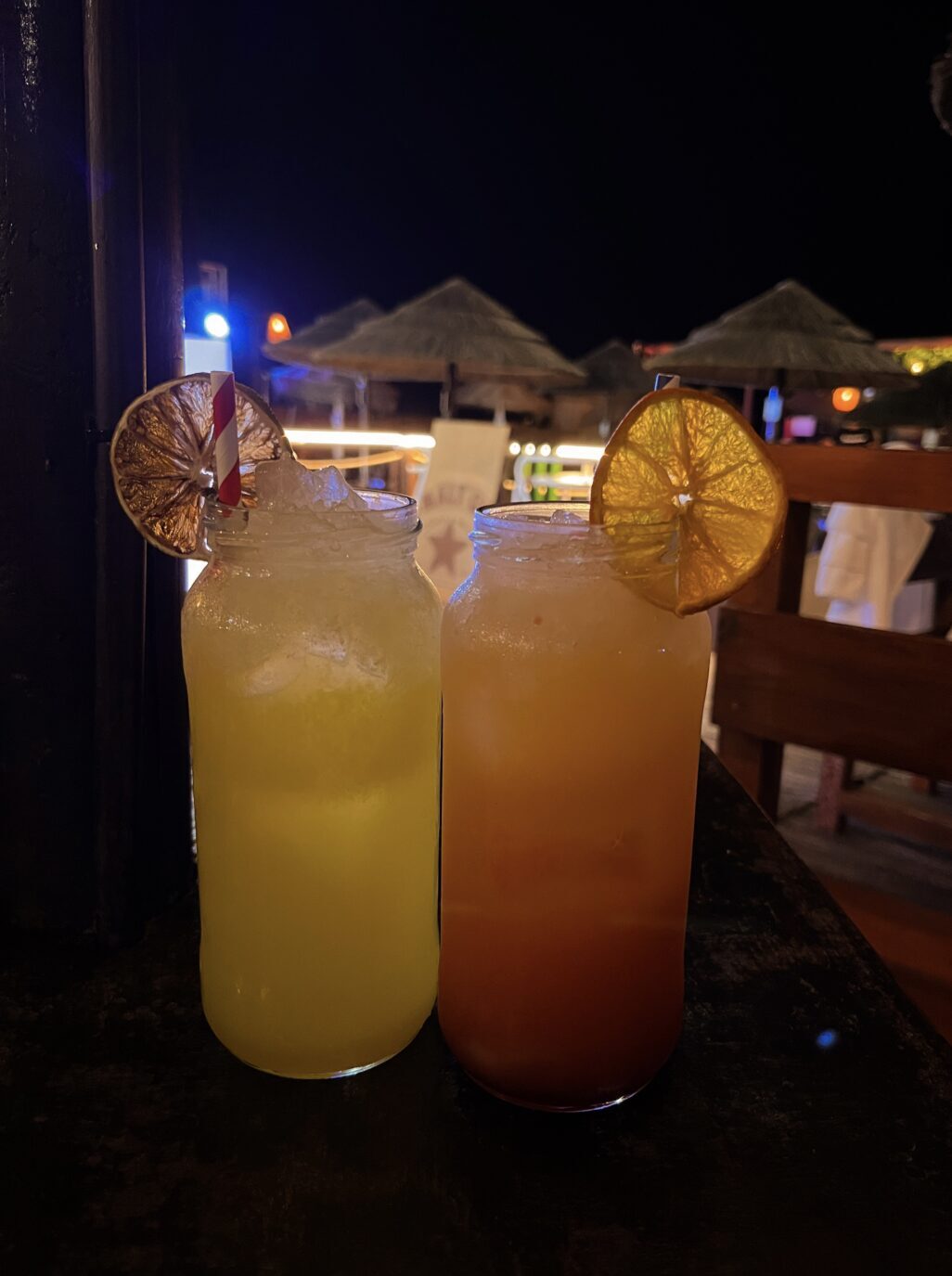
One thing that particularly shocked me in Portugal was how widespread bullfighting still is there. I myself have never been to such an event, as I definitely did not want to support it, let alone watch it. However, some other Erasmus students went, and one student from my university regularly attends bullfights. So I got an impression of it through photos and videos.
In a conversation with the student, she explained to me that bullfighting has a long tradition in Portugal and that some people would lose their jobs if it were banned. Nevertheless, I find it difficult to understand: the animals are under enormous stress and their horns are rounded, making it harder for them to defend themselves. They are also injured, for example by having their tails pulled or by barbed spears being thrust into their backs.
For me, this was a particularly intense experience of foreignness, during which I realized how different cultural traditions can be and how deeply rooted they are. At the same time, I found myself in an inner conflict. On the one hand, I wanted to respect the culture, but on the other hand, it contradicted my own moral convictions.
When Everyday Life Set in and Put Me to the Test
In May, a certain everyday routine slowly returned - and with it, my initial rose-colored glasses gradually disappeared. The first exam period was approaching, so trips and travel had to wait for the time being. As a result, I spent more time at home and in Santarém. Suddenly, there were no more daily highlights to “entertain” me from outside, and I had to create my own routine. In the quieter moments alone at home, I realized that these phases are an integral part of living abroad - even more so than the many activities. By spending more time in one place, I experienced everyday life in this country much more directly.
Over time, I also got to know the less glamorous sides of my new life. After a while, I felt frustration and irritability creeping up on me. In Germany, I am used to the tranquillity of a village and being close to nature. In Portugal, I lived in a small town, but the noise from the street right outside my window meant I could never really relax. I also missed nature: away from the city center, there were hardly any paths for walking, and some streets didn't even have sidewalks, which seemed too dangerous to me given the fast-driving style of many Portuguese people. In addition, I often felt unsafe when I was out alone due to some unpleasant encounters with men, and I felt like I had to be constantly vigilant. Last but not least, the university gave me the impression that it was hardly prepared for international students.
All these factors - combined with the amount of time I spent alone - led to my thoughts revolving more frequently around my home in Germany. And I often found myself counting the days until I could fly back.
Gradual Familiarity – When I Began to Feel at Home
Fortunately, this low point did not last long. I learned to consciously accept cultural differences and reflect on why I feel this way in certain situations and behave accordingly. By understanding the causes of misunderstandings, the feeling of familiarity grew steadily, while the sense of strangeness faded.
An important factor was the consolidation of my daily routine, which gave me additional security. My daily rhythm increasingly adapted to that of the Portuguese, which meant that the ambient noises - such as street noise - bothered me less. At the same time, I found a circle of people with whom I enjoyed spending time. This gave me reliability and a sense of belonging. I also felt more and more comfortable at university. After the first exam period, it became clear that it was possible to keep up with the content, even if I only understood part of it. This took away my fear of future assignments and helped me to better assess the level of difficulty.
With every step forward in the language and in everyday life, my confidence grew. By understanding lecture content, conversations with my roommates, and everyday situations - such as at the supermarket or on the train - I felt less awkward and alienated. At the same time, it opened up more opportunities for me to interact with other people, which reduced my feeling of isolation. Small successes - whether ordering in Portuguese or spontaneously answering questions - further strengthened my self-confidence.
This growing confidence gave me the freedom to gradually integrate Portuguese serenity into my life. I realized that not everything has to be perfect to be beautiful and that I don't have to let things I can't influence - such as delays - upset me. I found this new attitude to life very liberating, and it brought with it a certain lightness and inner peace.
And yet, the strangeness never completely disappeared. It just became quieter, more familiar, and easier to bear.
When It's Time to Go and Your Heart Wants to Stay
Suddenly, the last few weeks of my semester abroad had arrived, and I couldn't believe that this time, which I had been eagerly awaiting for several years, was now coming to an end.
It was a strange feeling that came over me. On the one hand, I was looking forward to coming home. Especially to my family and friends. On the other hand, I wanted to stay. Over the past half year, I had built a new life here, made friends, gotten used to the way of life, and internalized the language more and more. It felt like I was leaving my home to go home.
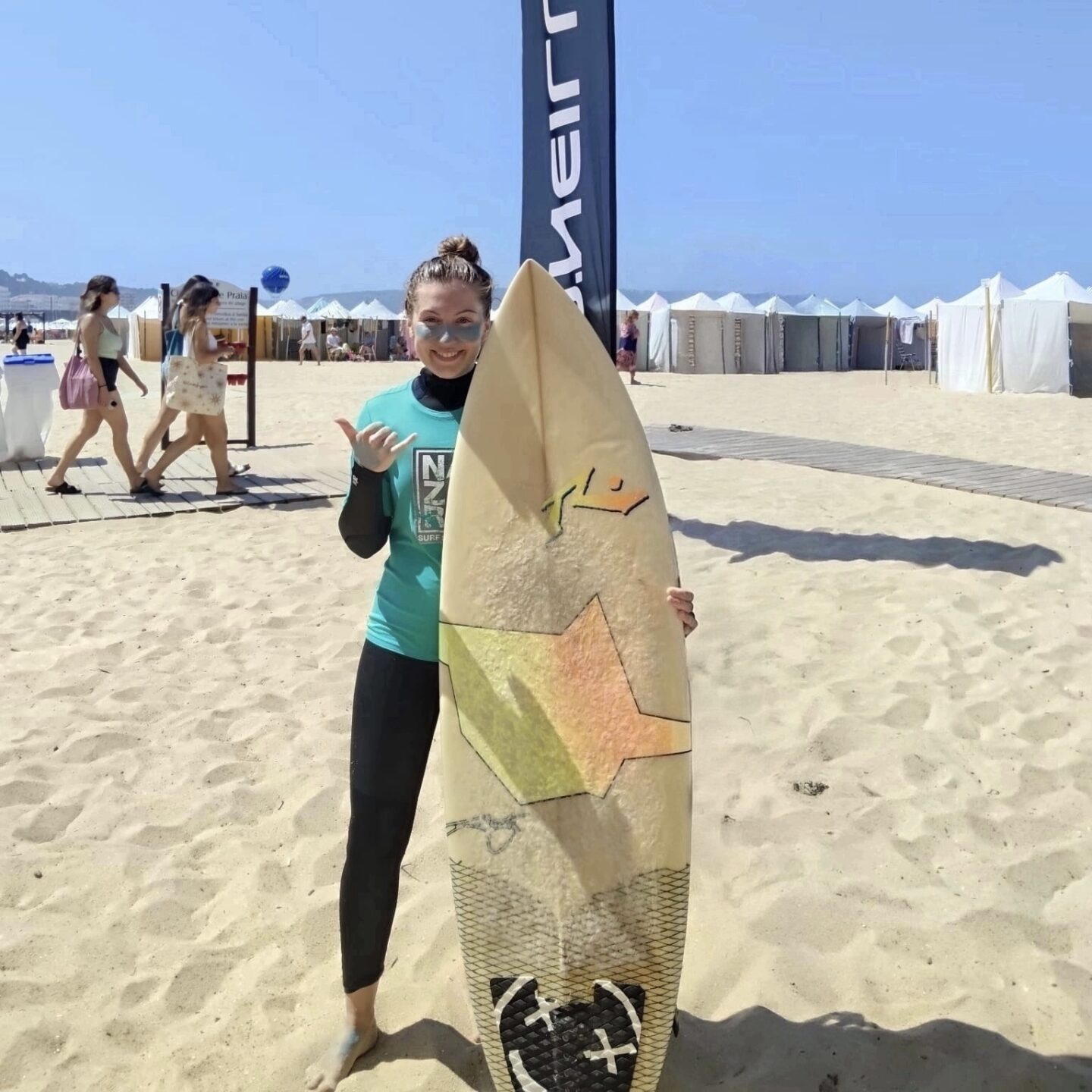
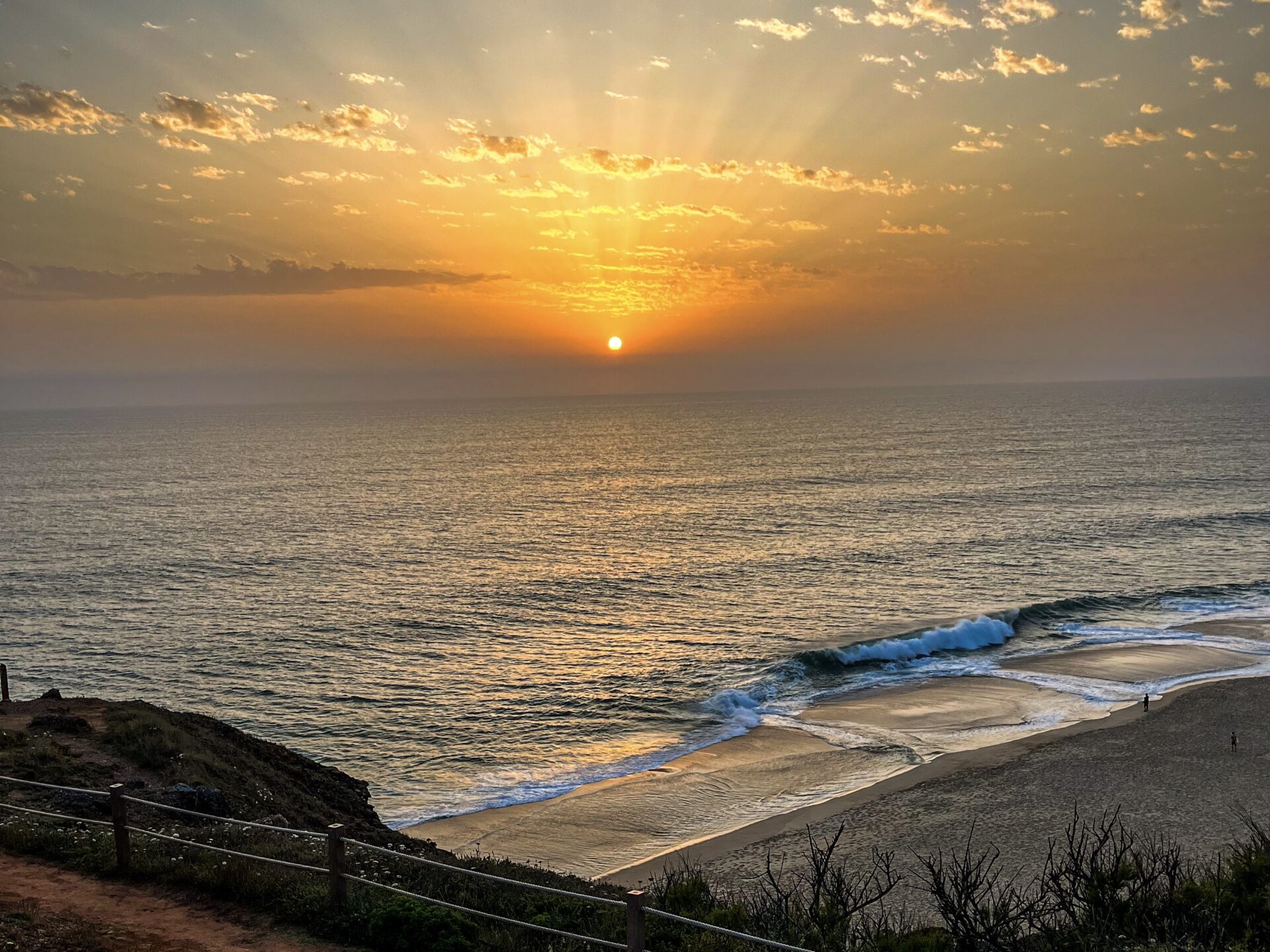
Every day, I said goodbye, bit by bit - to the people, the country, and the places that had grown dear to my heart. More and more Erasmus students were leaving, and when we got together, we never knew if we would see each other again before departure. One last time at university - even though I didn't like going there, saying goodbye was sadder than I expected. One last time to go out for dinner with friends. One last trip to Nazaré - my favorite place - to go surfing. I had deliberately planned for Nazaré to be my last trip in Portugal so that I could cherish the memories for as long as possible. One last time to shopping - stuffing all the special things into my suitcase to take a piece of Portuguese life back to Germany with me. A last evening in my shared apartment, which we ended with pizza and long conversations.
It was time to pack my life of the last six months into two suitcases, to sleep in my room one last night before closing the apartment door behind me for the very last time the next afternoon.
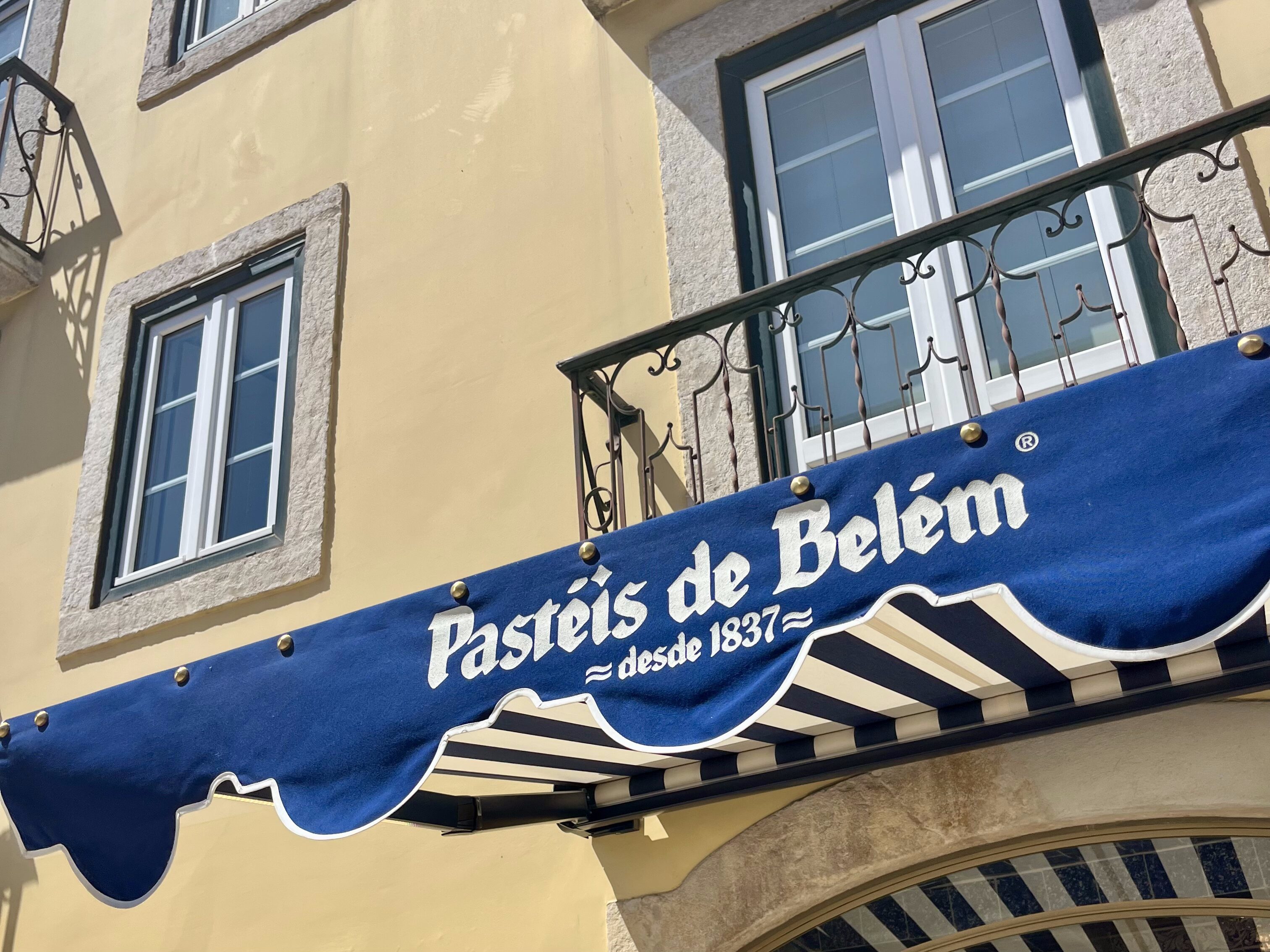
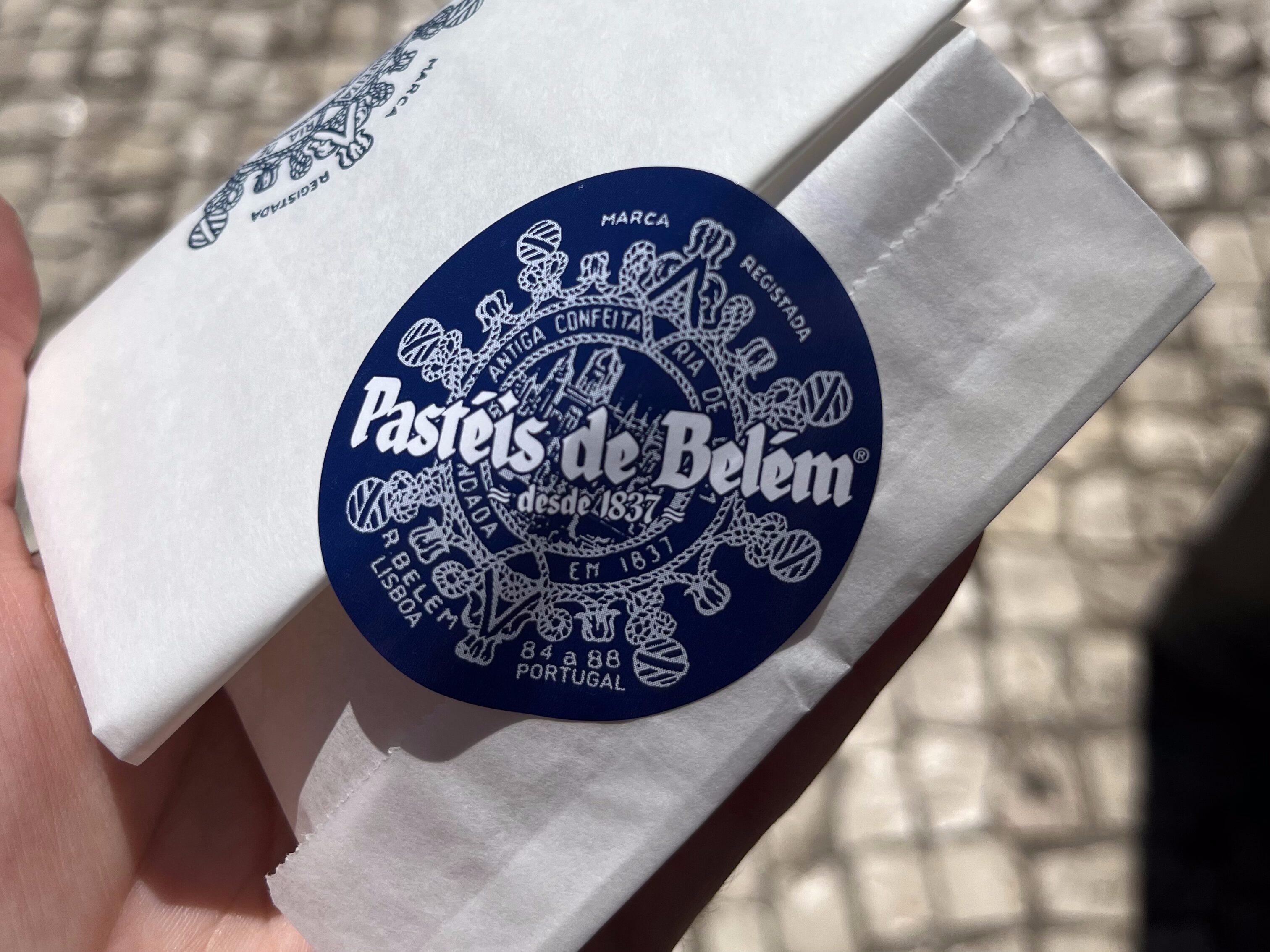
I took the train to Lisbon. It was extremely hot - 39 degrees Celsius - and I was completely exhausted after lugging my suitcases up to the third floor of my Airbnb. But I didn't have time to rest for long. I really wanted to go back to the city center, to Belém, to buy the best pastéis de nata. Somehow, I got on the wrong train, which didn't stop at that station, so I ended up going past it. But I took it in stride, got off at the next station, and was able to explore another part of Lisbon on my way back. With the delicious pastries in my hand - also a souvenir for my family - I went to the supermarket one last time to buy my favorite snacks for the evening. Then I took the subway back to my Airbnb for the last time and tried to consciously enjoy my last evening in Portugal.
Sleep was out of the question. It was too hot in the room, and I was far too agitated inside. The anticipation of seeing my family and friends and the thought of leaving everything behind here was tearing me apart inwardly. At the same time, the fear that had been quietly knocking for weeks grew louder: What if I fall into an emotional hole in Germany?
My plane took off right on time at sunrise. I had specifically requested a window seat so that I could see Lisbon from above one last time. And so I said goodbye to a country that glowed orange and red in the sunlight, a country that I had been able to call home for the past months.
Back in the World, Which Is No Longer the Same
Back in Germany, my familiar surroundings suddenly felt a little strange. The place that used to be my safe haven now felt distant. It was as if I had had a blackout, because during my absence, life in Germany had naturally gone on - just without me. Events, changes, small and large developments - all of this had happened without me really being part of it. This realization reinforced the feeling of distance.
During my semester abroad, I also changed myself: my routines, my outlook on life, and my expectations. Returning to Germany therefore did not simply mean picking up where I left off in my “old” life. The transition to everyday moments that were actually familiar but suddenly felt difficult was challenging.
Interestingly, coming back was much harder for me than leaving. When I left, everything was open, new, and full of possibilities. I didn't know what to expect in Portugal, and it was precisely this uncertainty that was liberating. I had the opportunity to build something completely new there. When I returned, on the other hand, I initially thought I knew exactly what to expect at home - my familiar surroundings, old routines, friends. But I quickly realized that a lot had changed. This jumble of familiarity, strangeness, and letting go of a life I had just built in Portugal was emotionally much more challenging than setting off into the unknown. Friendships, places, and a sense of home were left behind. They were no longer directly tangible but continued to in my memories and through distant contact.
When I returned to Germany, I became aware of how strongly we are influenced by performance orientation and time pressure here. In Portugal, I had experienced a lifestyle that was more relaxed, more laid-back, and less influenced by external expectations. I particularly miss the joy, openness, and positivity of the people there in my everyday life here.
Through all these experiences, I really understood what the Portuguese mean by saudade - a term that is deeply rooted in Portuguese culture and one that I encountered repeatedly during my semester abroad. Now I know that saudade is more than just missing something. It is a deep, bittersweet longing for something you have left behind, but for which you also feel gratitude and warmth because these memories are so precious. It is precisely this mixture of longing, melancholy, and nostalgia that I feel when I think back on my time in Portugal.
But in order not to lose myself in this bittersweet longing, I have decided to consciously integrate some of the Portuguese way of life into my life here in Germany - especially the serenity and the ability to simply let moments happen. And actually, I've been surprisingly successful at this so far. It feels as if I’m still carry a part of my Portuguese self within me.
This half year abroad has shown me that arriving means more than just being in a new place. It means embracing the unknown, tolerating strangeness, and taking something away from every moment. From the first day, when I wished to fly home immediately to the last weeks, when I became increasingly melancholic as my departure date approached, I realized that openness, patience, and serenity are the keys to truly arriving - not only in a foreign place, but also within oneself.
© Credits Pictures
(c) Livinia Feigl. (2025). own images
© Credits Videos
(c) Carolina Ferreira. (2025).
Kommentare 2
So ein toller Beitrag Livinia Maus
wow, so inspirational <3