Your Sign to Not Always Follow Your Friends
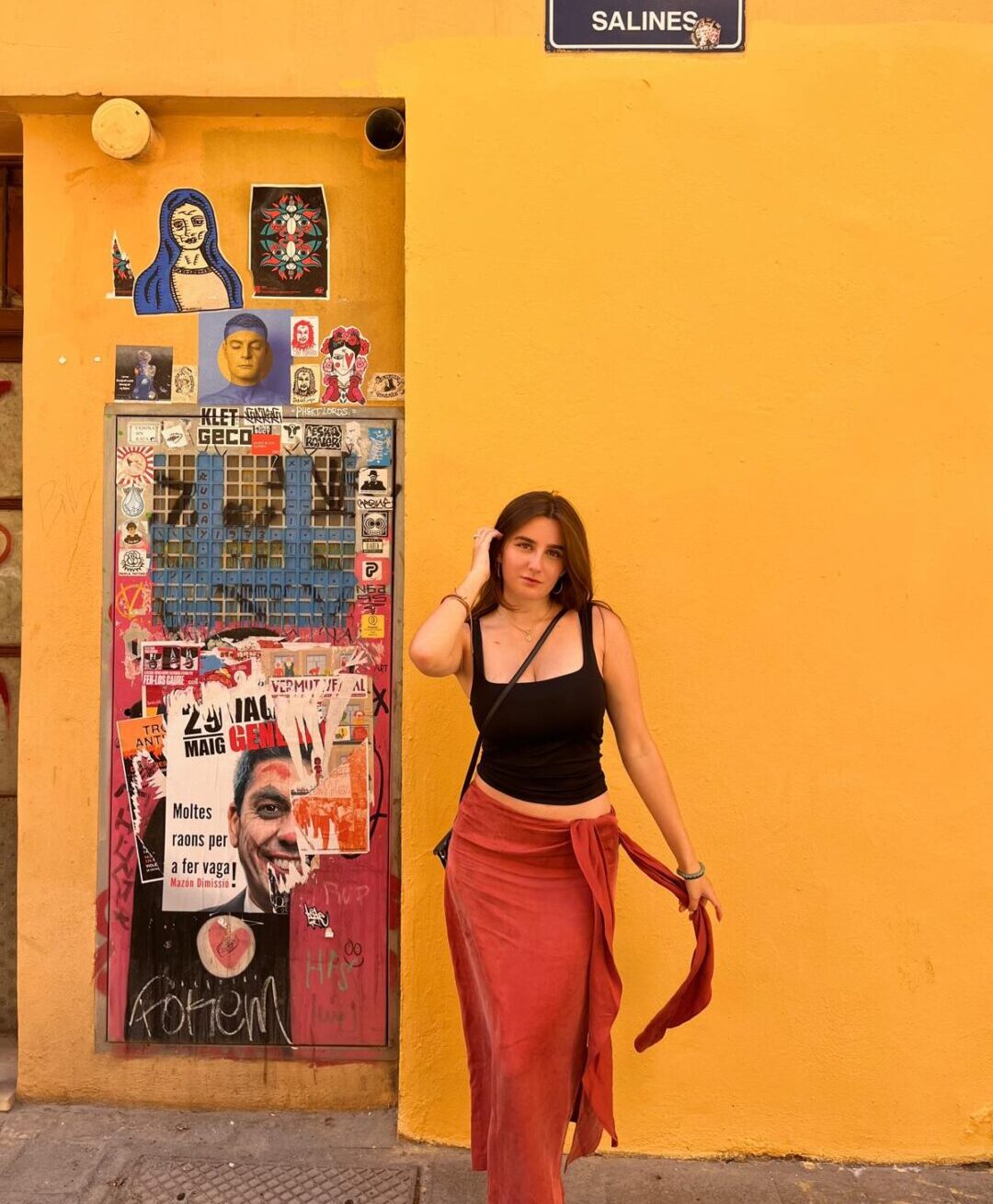
When I received the email confirming my Erasmus semester in Spain, I felt like everything had finally fallen into place. Gandia, close to Valencia, sounded perfect. Sun, sea, studying abroad, and most importantly, I wouldn’t be alone. My friend from university and I had both been accepted, and for weeks, we talked about nothing else. Our excitement, our plans, and the idea that experiencing Erasmus together would make everything easier.
At that time, following my friend’s lead felt natural. I trusted her. I trusted her family. I didn’t question much, and that would later turn into a problem.

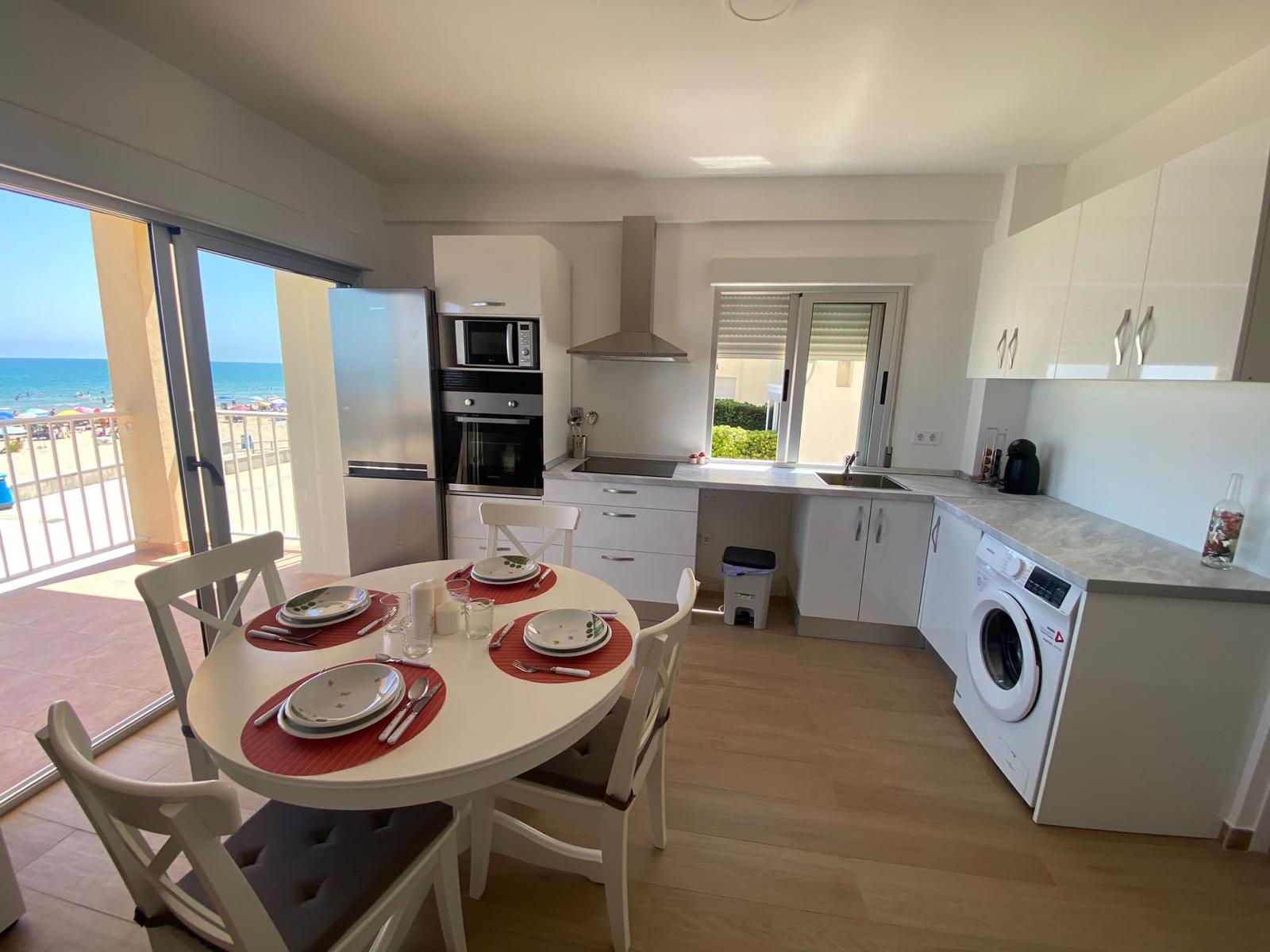
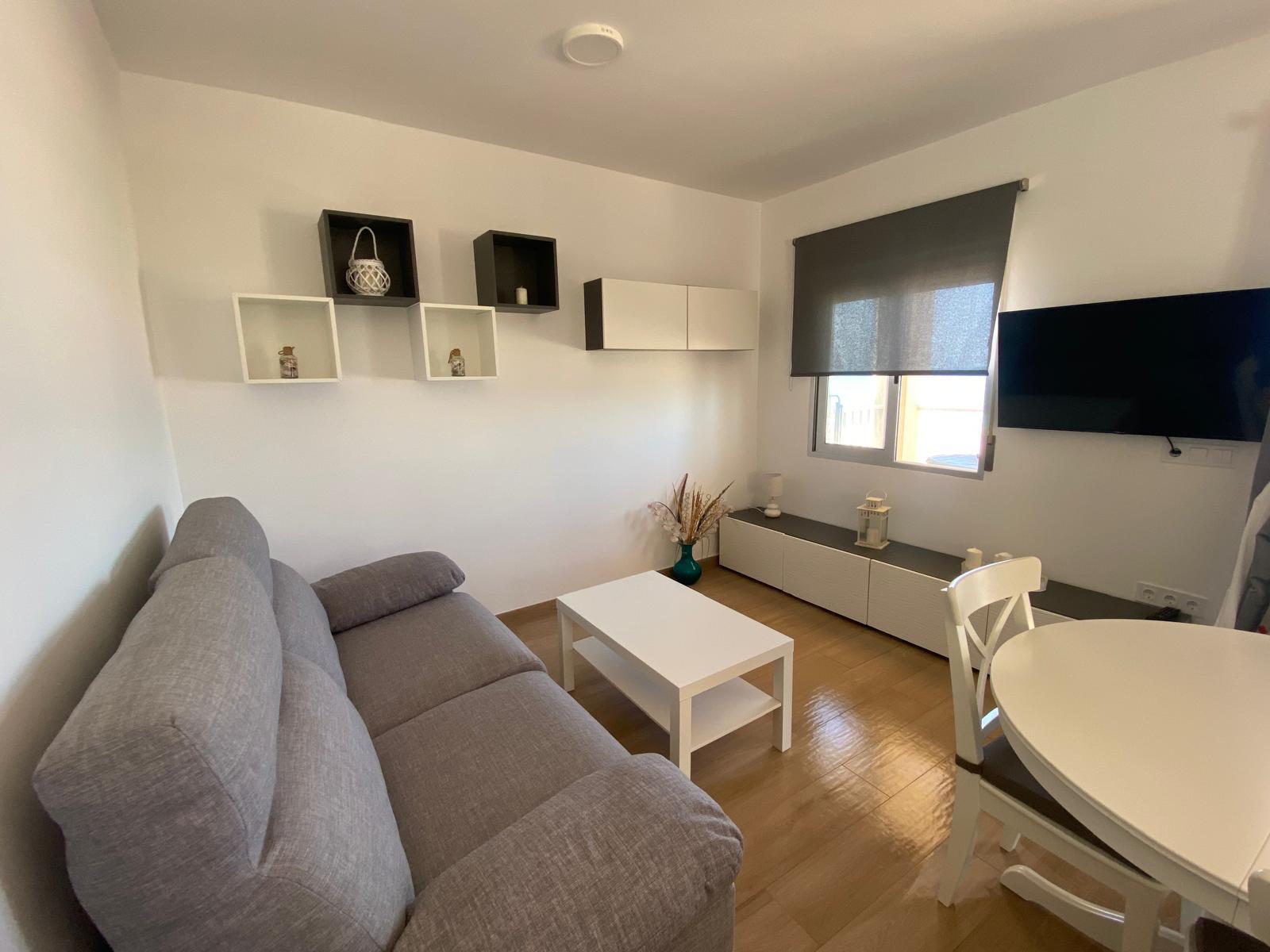

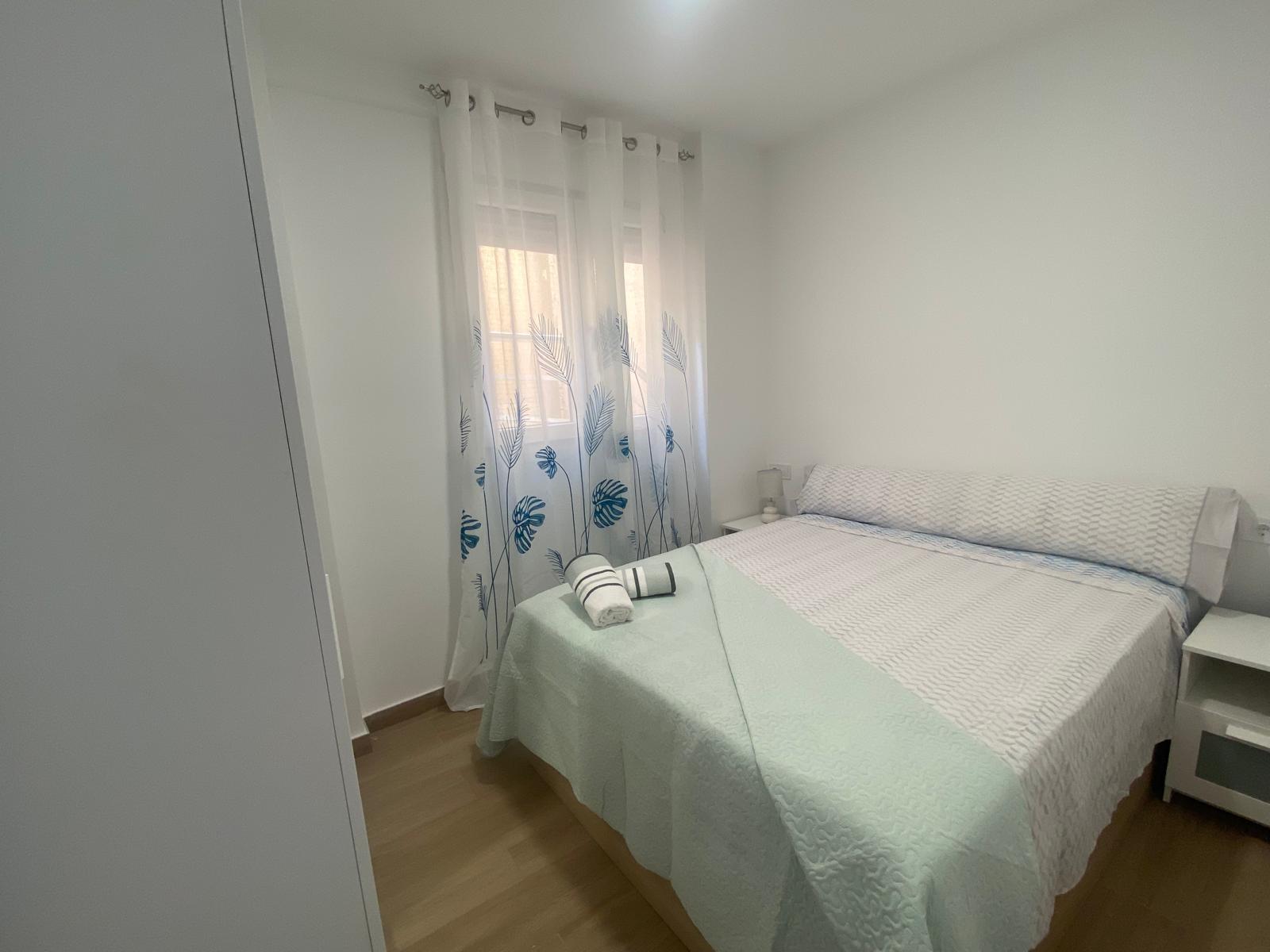
But I remember feeling a bit unsure. 400 euros per person felt expensive, but I was repeatedly told it was a “friend price” and that we got lucky.
Around the same time, red flags started to appear. When we discussed who would get the bigger room, my friend started threatening me with not letting me live in the apartment at all if I wasn’t thankful enough because they had found a place for me to live.
Looking back, that moment should have been a signal. But I didn't see it. I was honestly just relieved that the apartment search seemed to be over, so I signed the contract and started packing, full of joy.
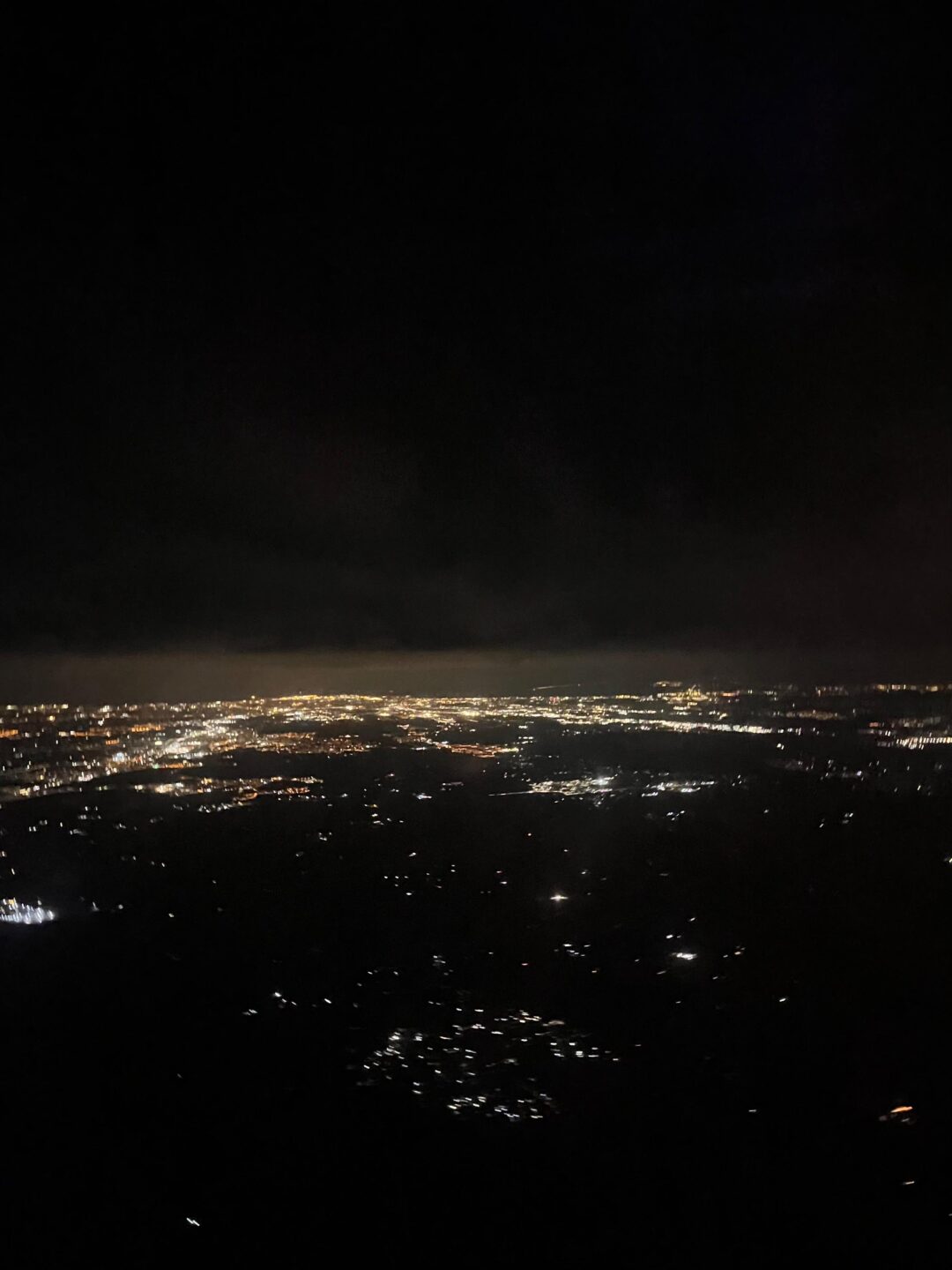
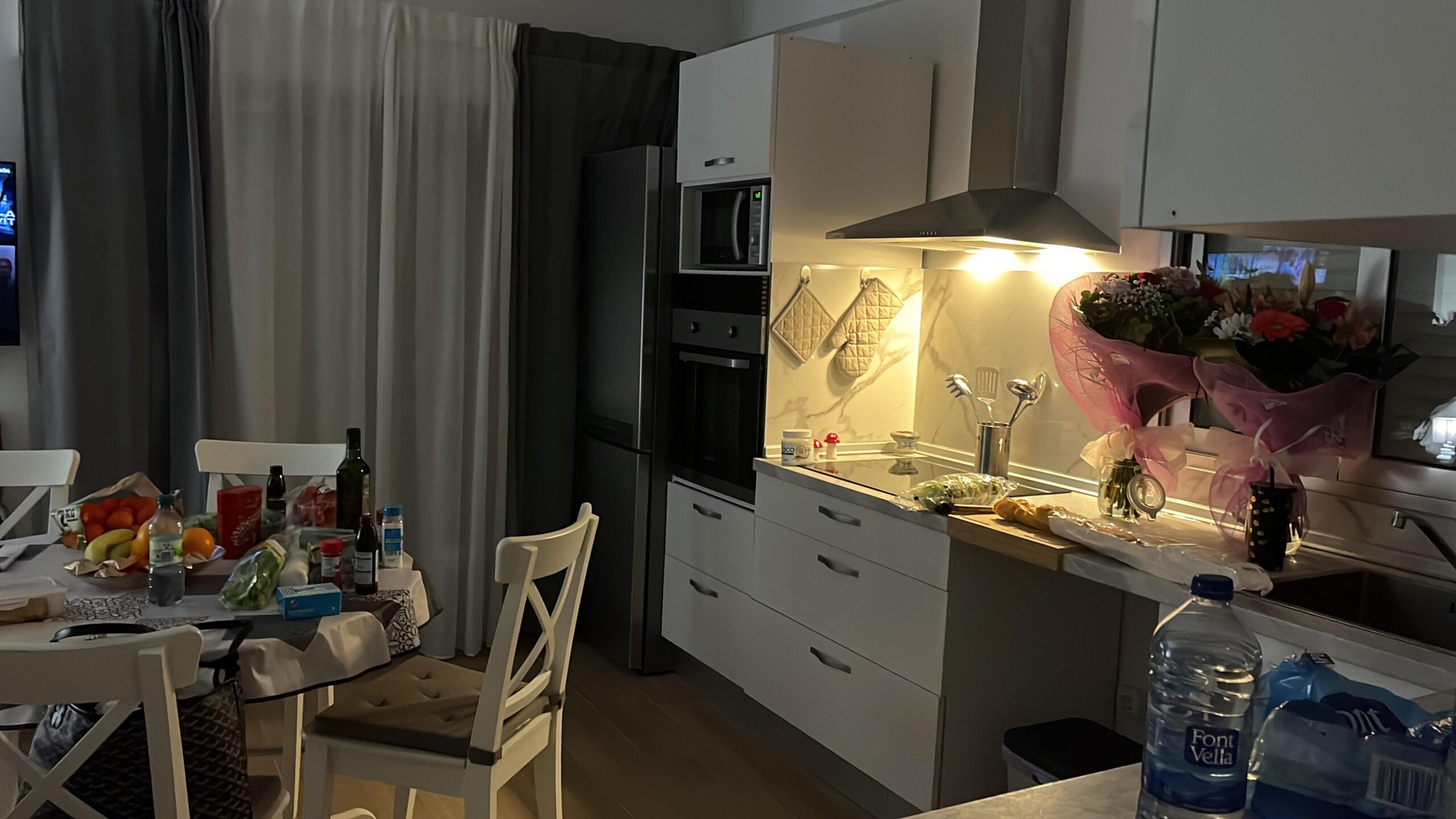
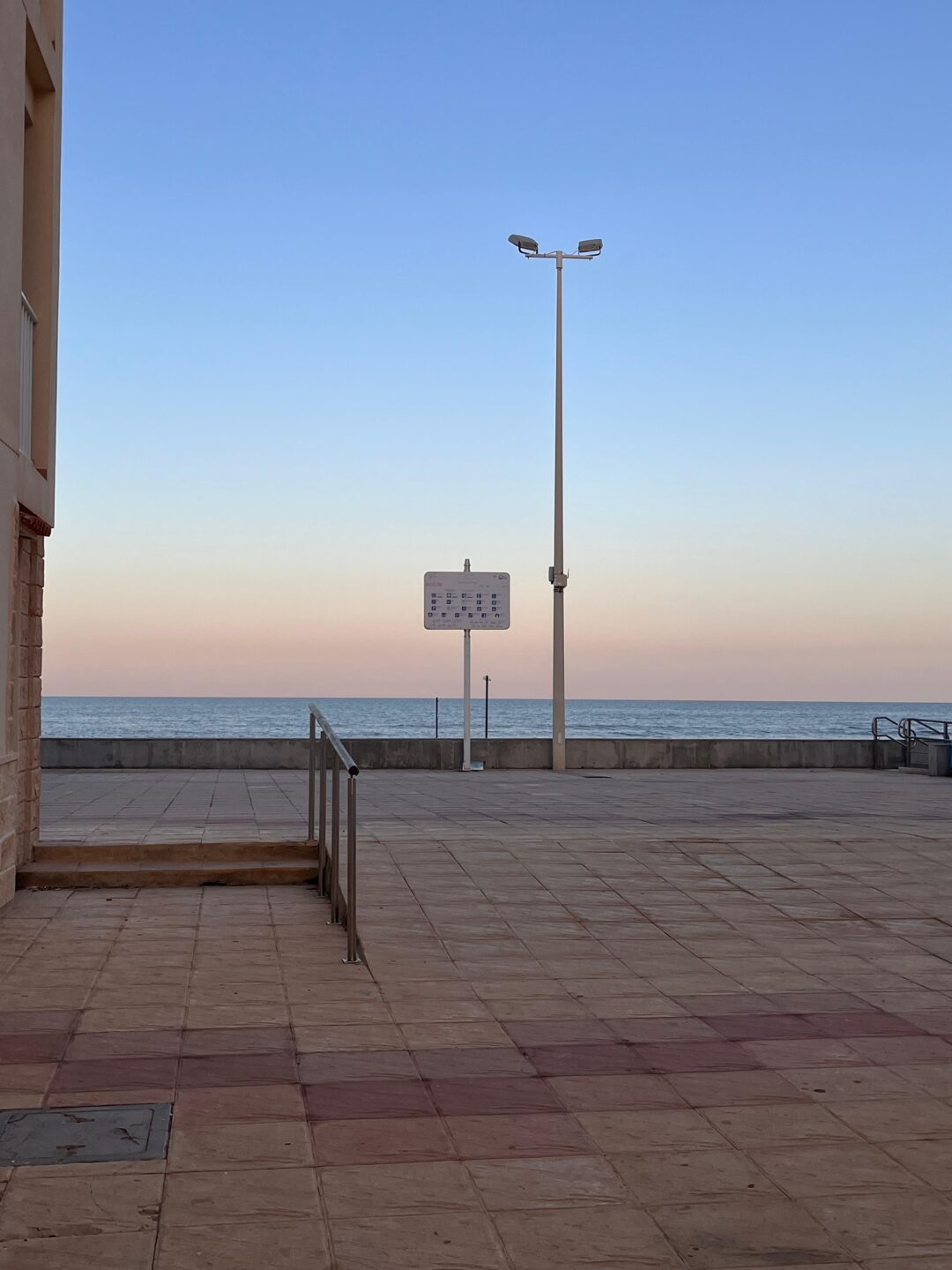
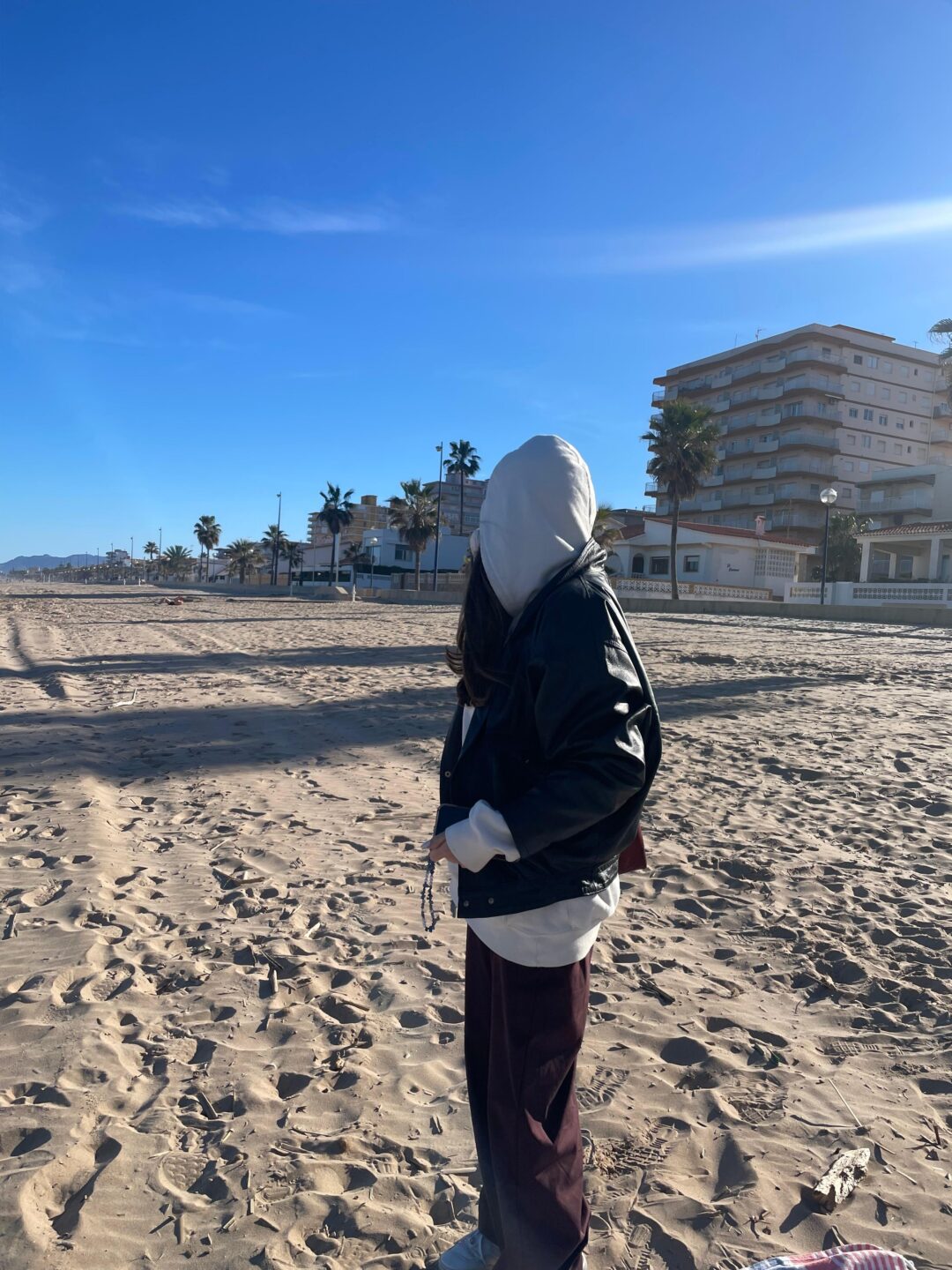
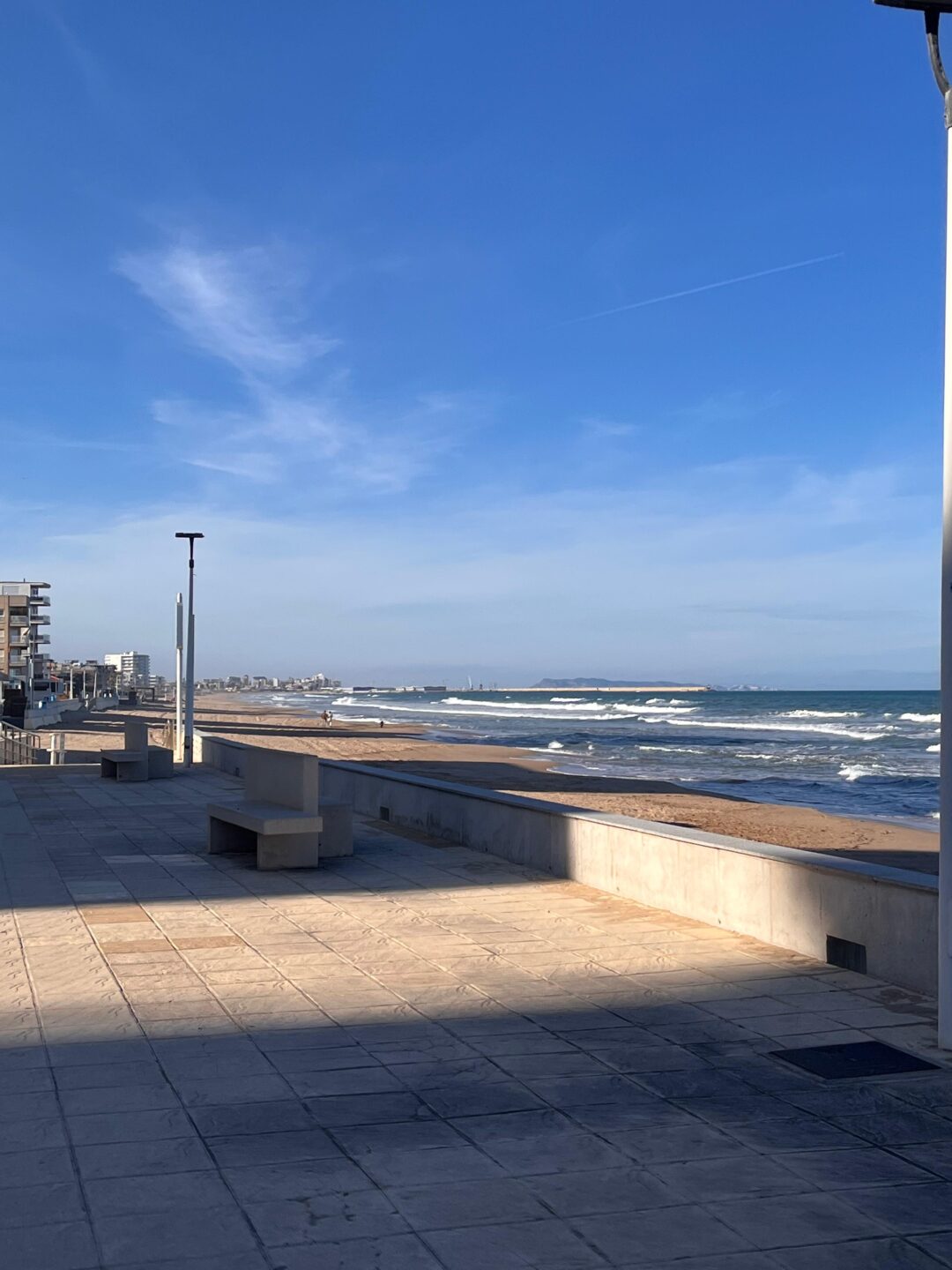
When I checked Google Maps, it showed a three hour commute for a ten kilometer distance to the university by public transport, which would have been our only option at that point. In that moment, I wanted to cry, I felt embarrassed, helpless and foolish.
I asked myself: "Where have I landed? How did this happen? How could I not check the address? Do we have to get a car? Or rent a bike? How does something like this even happen!?"
We had literally stranded in a ghost town, with an apartment that was uninhabitable and an over three-hour commute to our university. I had trusted someone else so blindly that I hadn’t even checked where I would be living. I had never felt so isolated and stupid before.
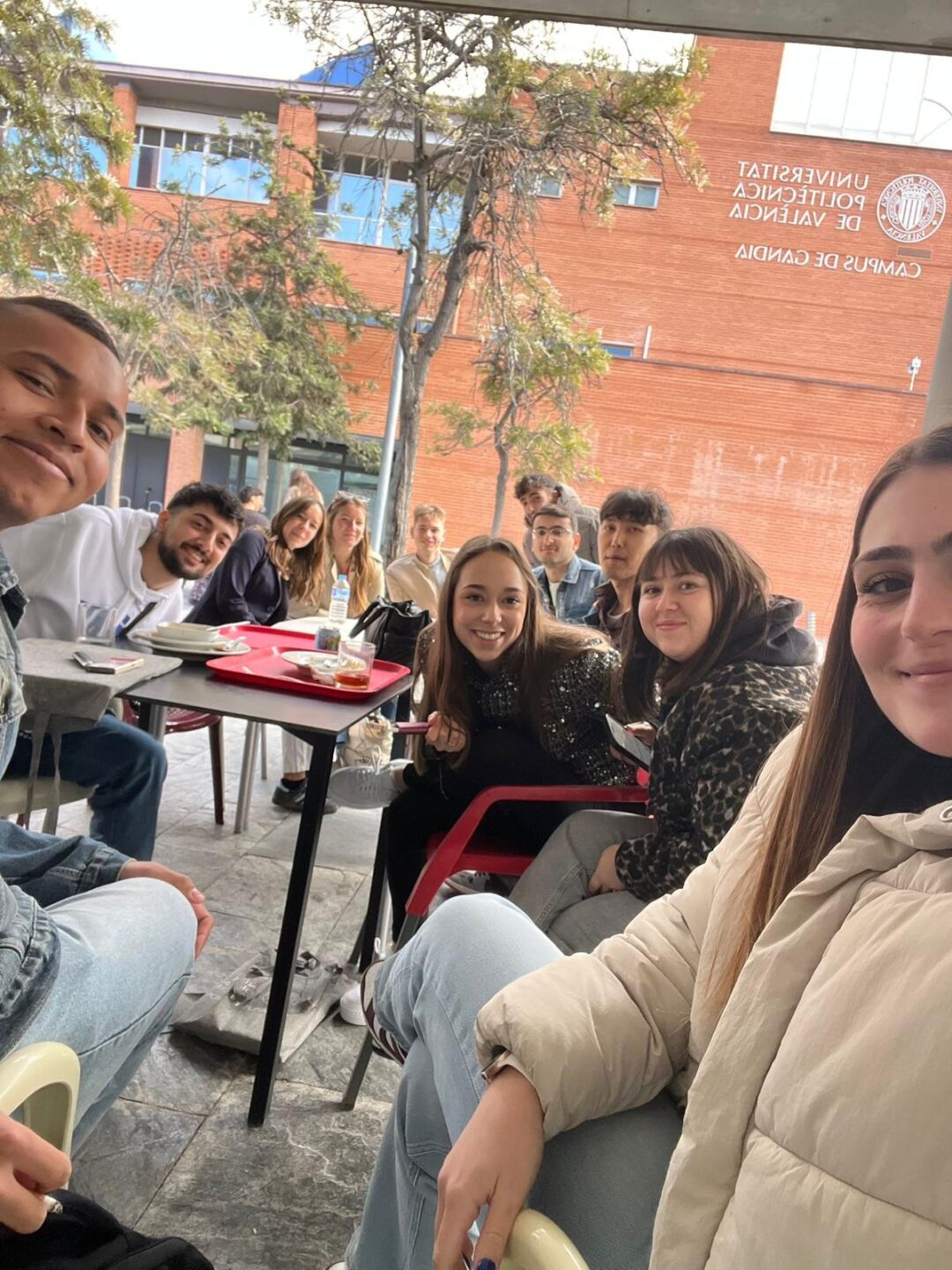
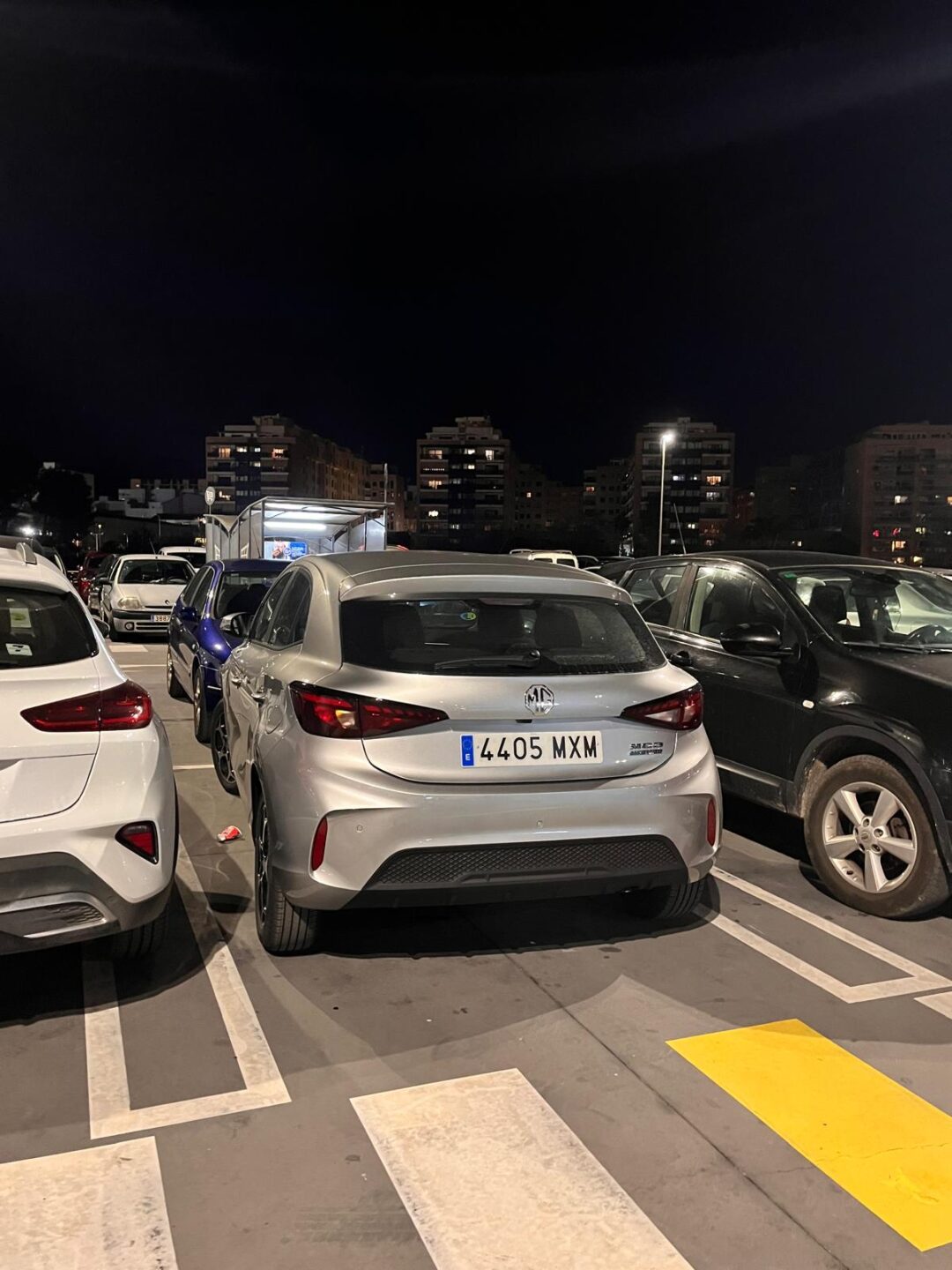
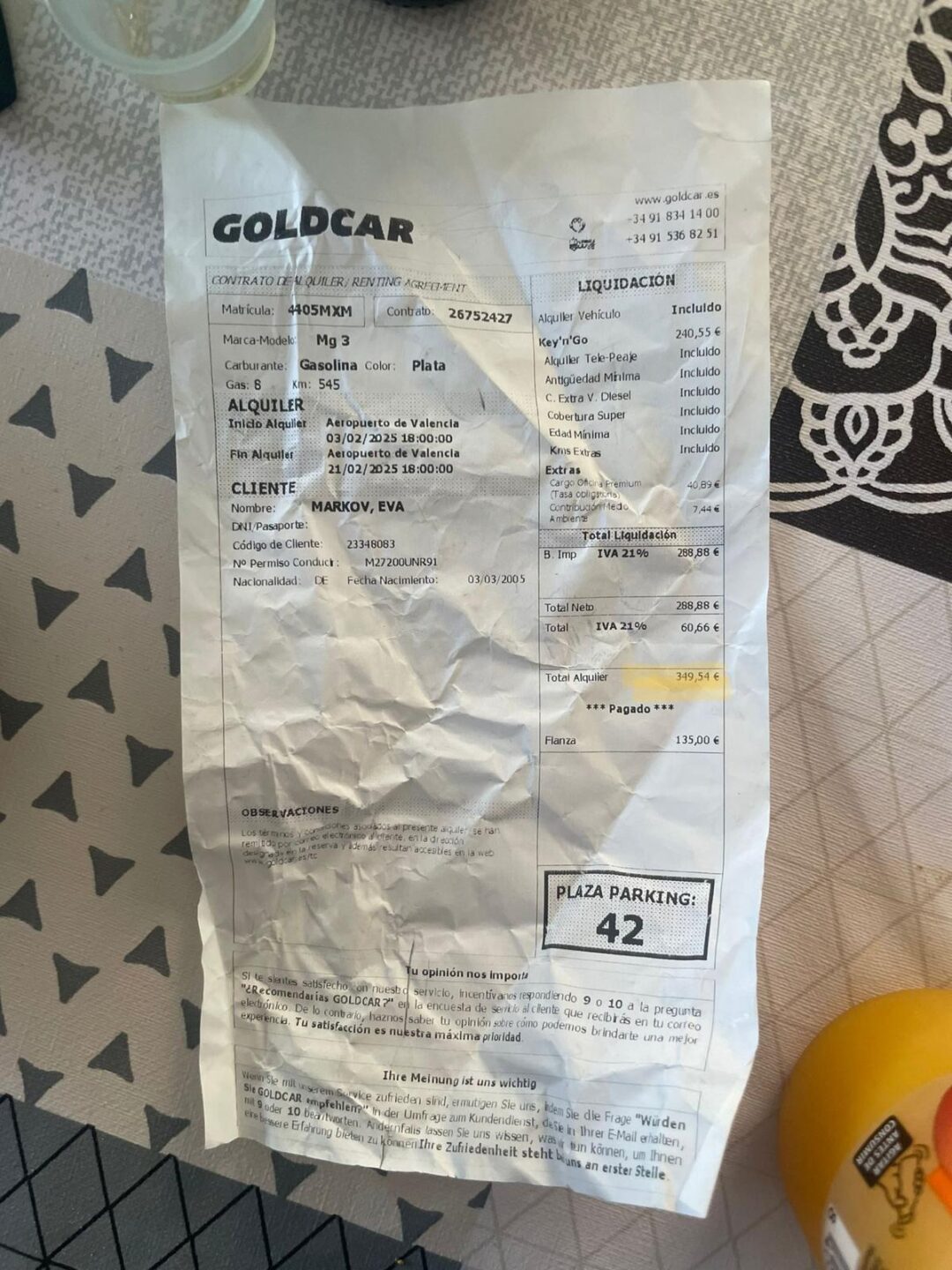
Fortunately, our realtor had offered to drive us to the University on the first day, as there was no other way. Although that day was a welcome distraction, the uncertainty never left my mind. It turned out, my friend’s cousin had suddenly organized a rental car. I was grateful for the temporary solution, but had a weird feeling, considering it was rented under my name without my knowledge, even though my friend didn’t have a driver’s license and I was suddenly expected to drive long distances in a country I had just arrived in.
I agreed. Not because I felt comfortable, but because I didn’t see another option.
The following days made it clear that that apartment was not habitable. The construction noise didn’t stop, from the early morning I heard banging and hammering on my extremely thin wall and men yelling and using machines until the late afternoon. Furthermore, my friend’s room developed severe mold, covering almost the entire window wall. She fell sick and had to move to the couch. Shortly after, I got sick as well, not just with a cold, but with serious pain that lasted for weeks and required medical treatment.
Despite all this, I quickly realized that my friend and her family we focused on finding a solution for her only, leaving me out of consideration...
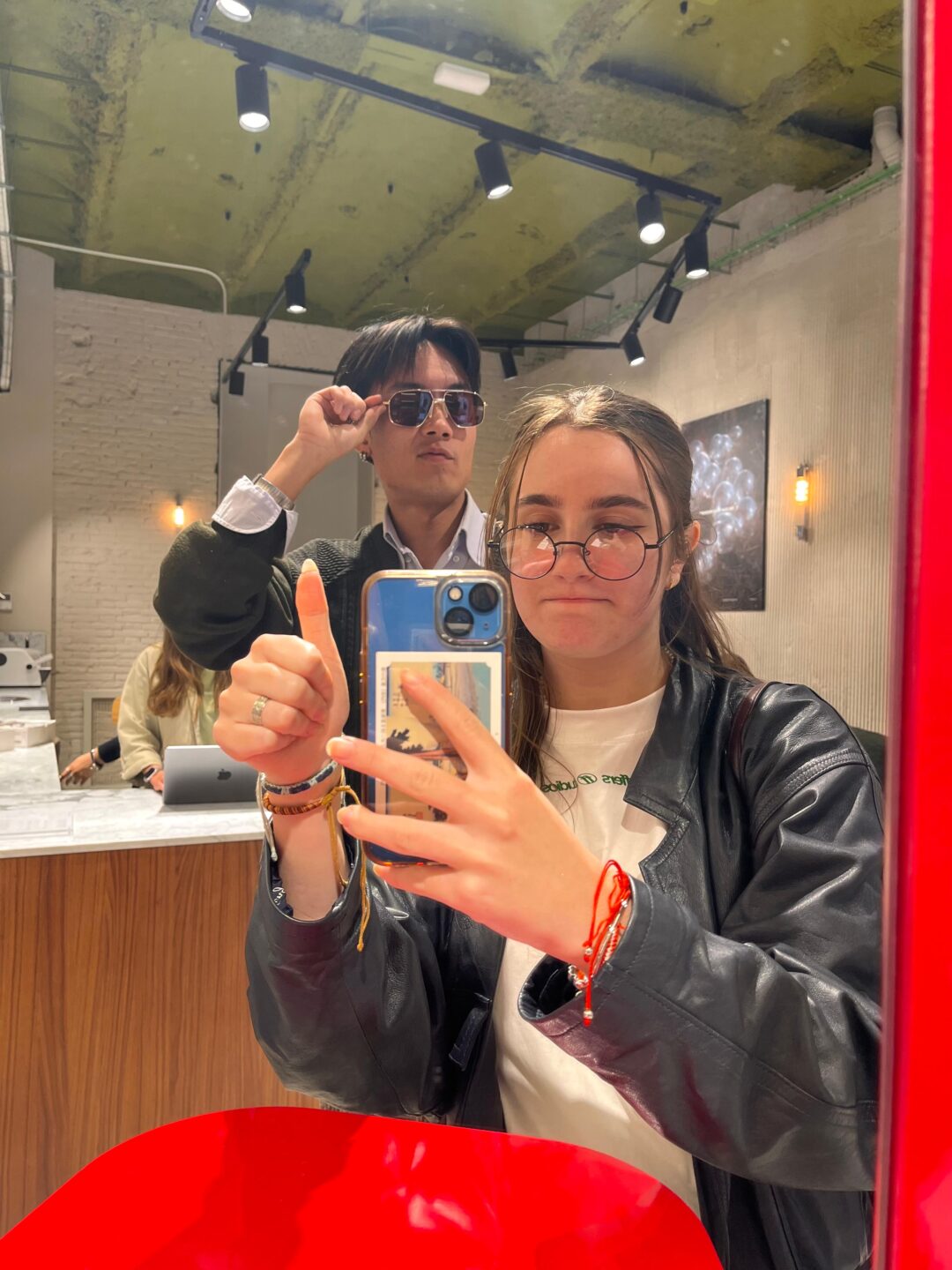
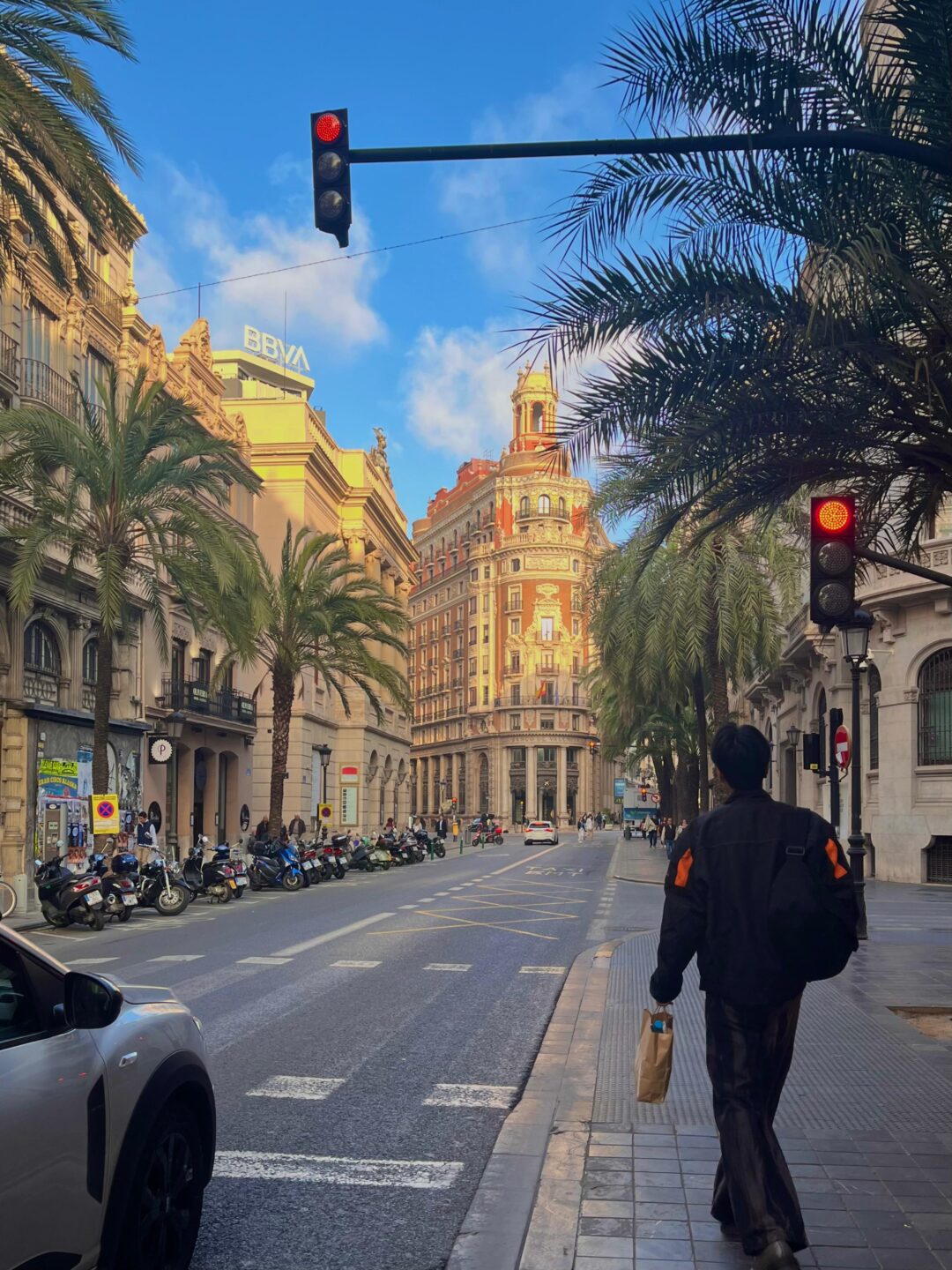
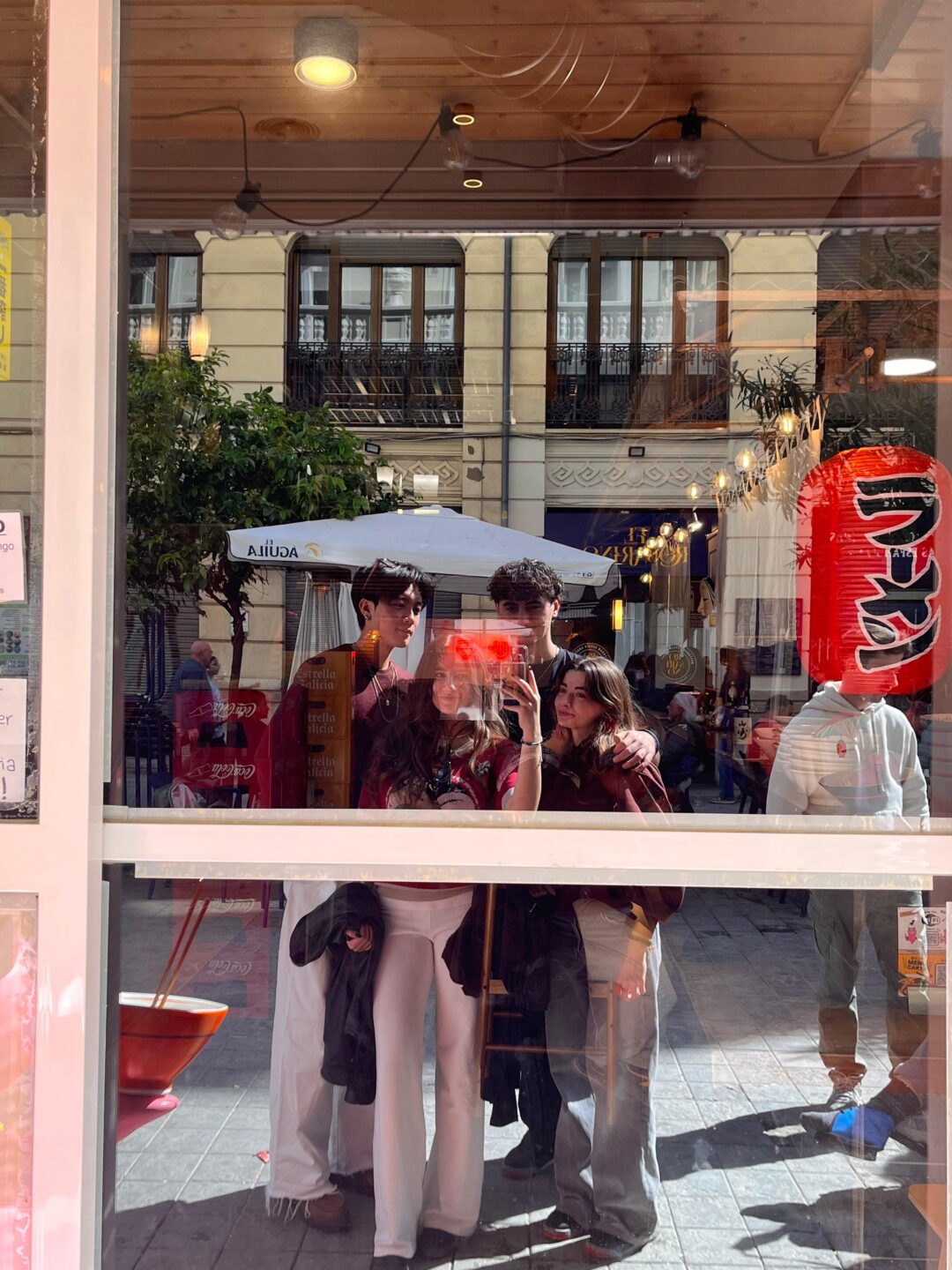
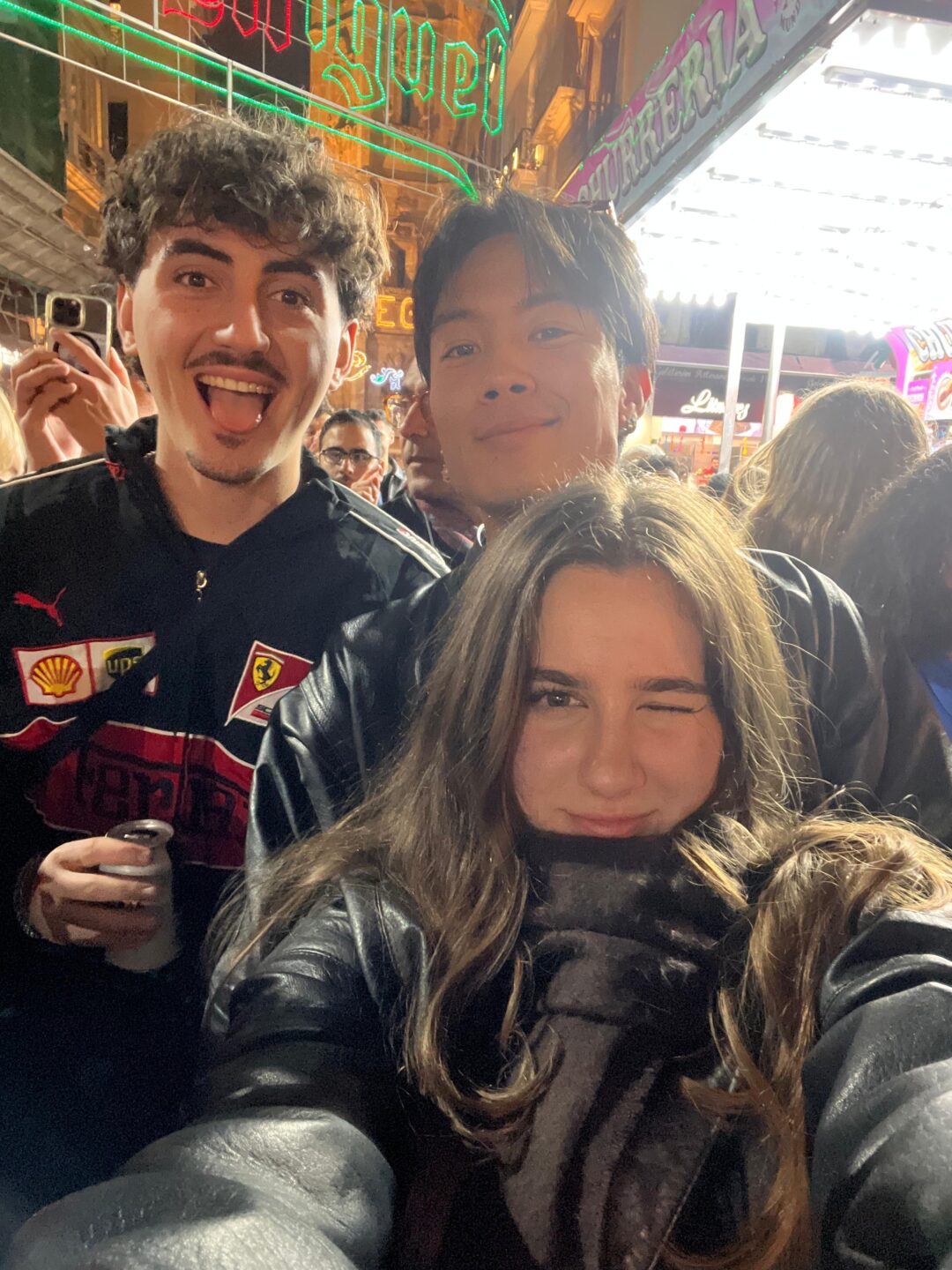
Around that time, my friend’s mother had visited, and suddenly there was someone else to drive her around. Only then was I “free” to leave the apartment and start living in my new home. That realization hurt more than the apartment situation itself.
In the end, I never spoke to that friend again after moving out. The last time we communicated was when she asked me for money for the rental car I had never agreed to rent. Ending that friendship felt necessary — not dramatic, just honest.
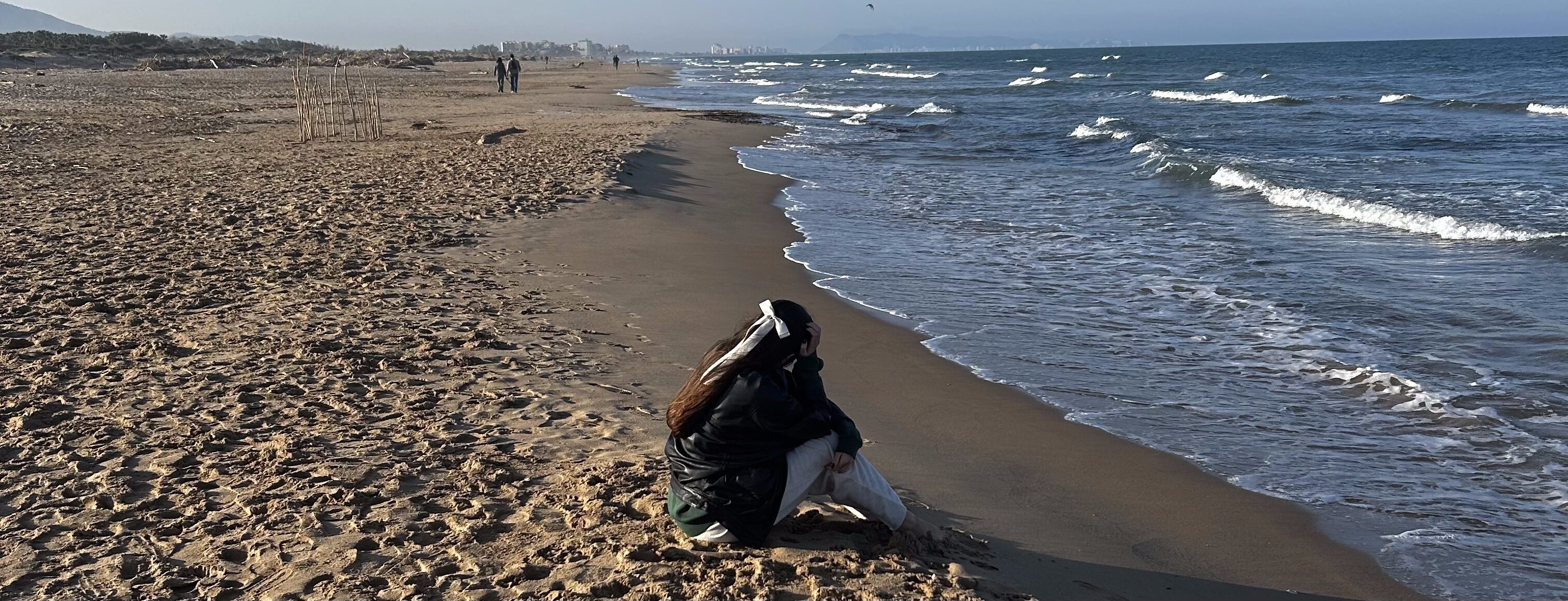
This experience taught me that feeling out of place isn’t only about language barriers or cultural differences. Sometimes, it comes from losing your agency in an unfamiliar environment, from depending on others so much that you stop trusting your own instincts.
Following my friend felt safe at first. But safety without autonomy can quickly turn into isolation. Living abroad forced me to confront that reality in the hardest way possible.


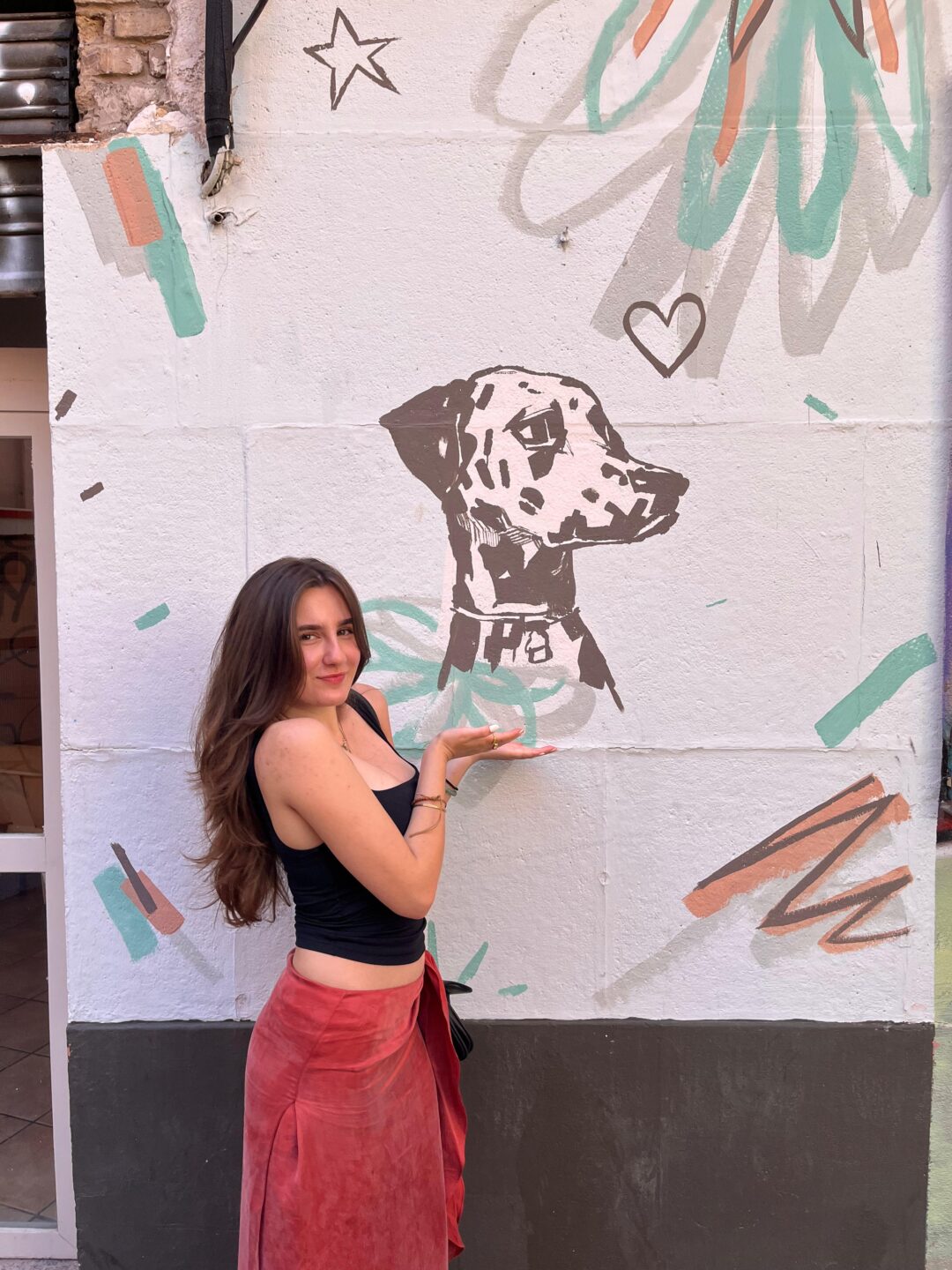
Looking back, I realize that my Erasmus semester truly began once I stopped relying on others and took responsibility for my own situation. What felt like safety turned into dependence, and leaving that environment taught me to trust my own judgment abroad.
Over time, I adapted to life in Spain, built international friendships, travelled, and gained confidence in handling challenges independently. The person I met at an Erasmus welcome party who supported me during my most difficult phase later became an important part of my life abroad and is now my boyfriend of ten months.