Thailand
New Year -a two-time experience
My adventure in Phuket
My trip to Thailand started on December 27. I planned to spend my semester abroad at the Prince of Songkla University.
Because I've always been fascinated by Asian cultures, I intentionally made this choice. I spent a few years growing up in Malaysia. I was greatly impacted by that period and developed a desire to visit Asia again in the future.
This time, as an adult, with greater awareness and understanding, I wanted to re-experience the culture, warmth, and unique way of life.
Why Phuket?
In Mittweida, I once heard from a higher-semester student about her positive experiences at Prince of Songkla University. She talked about the beautiful environment, the helpfulness of the people, and their openness.
I realised after comparing different countries and conducting some research that Thailand was the best option. A nation with a strong sense of cultural identity, an easygoing way of life, and excellent hospitality was what I was hoping for.
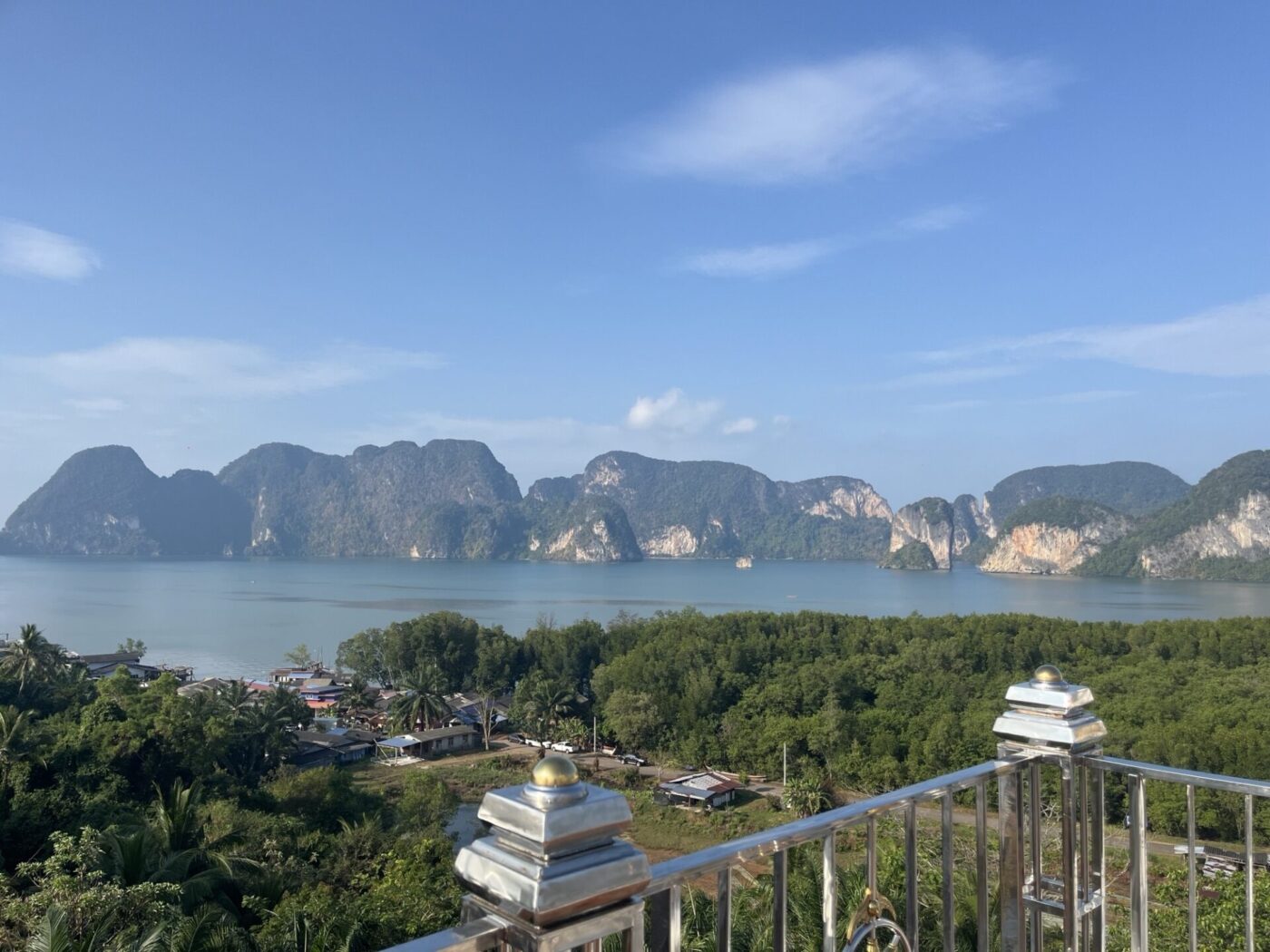
I noticed right away how different life was in Phuket when I got there. The people appeared much more laid back and open, and the weather was warmer as well. I initially felt both curious and a little strange. As I became more aware of how much I could learn from their way of life, this sense of unfamiliarity gradually changed into curiosity and thankfulness.
New year in phuket
On December 31, New Year's Eve, I had my first major event. I celebrated on Patong Beach with other international students.
There were sky lanterns, fireworks, and music everywhere, creating a festive atmosphere. I felt very comfortable in that situation, despite the fact that I was far from home.
I came to understand that home is more than just a location. It's a sense of belonging.
Songkran
Thai New Year Celebrations
I had the opportunity to attend Songkran, the Thai New Year celebration, a few months later. Before adopting the Western calendar, people followed an ancient sun-based calendar influenced by Indian traditions. In this calendar, the new year did not begin on January 1st, but when the sun entered the zodiac sign of Aries. That is why, Songkran is celebrated around 13th to 15th April every year.
I first thought it was just a large water festival with lots of laughter, music, and fun. But as time went on, I realised that Songkran has a deeper meaning. The water represents purification: letting go of the past to create room for the future.
This philosophy mirrored my own circumstances: I was also in a new stage of life, far from home, and needed to let go of habits, expectations, and fears.
I discovered how different cultures handle fresh starts when I contrasted the two New Year's celebrations, Songkran and New Year's Eve.
Organisation, reflection, and resolutions are common in Germany.
In Thailand, the emphasis is on happiness, lightness, and collective celebration. I was really moved by that. I came to see that change doesn't always have to be associated with stress or pressure. It can also be accompanied by joy and sincerity.
These encounters taught me that "feeling foreign" is not a bad thing. You might be uncertain at first, but that's precisely when you have the opportunity to discover more about yourself. I became more impulsive, patient, and at relaxed when handling unusual situations.
I learnt how important kindness and respect for one another are in day-to-day interactions from the people of Thailand. I was greatly inspired by the way they treated one another. Even after I get back home, I try to maintain this positive mentality by smiling and enjoying each moment.
I want to point out to future students that studying in Thailand is more than just a semester abroad. You learn on a personal level in addition to academically. Thailand pushes you to remain open-minded, embrace diversity, and embrace unique experiences as well. Anyone who is prepared to do so will come back with life-changing experiences and a new perspective on life.
Studying in Mittweida provides you with a strong theoretical foundation by teaching you about various cultural areas, cultural dimensions, and essential intercultural models.
Real, lived experience is something that studying overseas offers that theory cannot. You gain knowledge about how to work together with people who have different perspectives, how cultural differences affect communication styles, how behaviour and expectations differentiate, and how routine academic tasks work in a completely different environment.
I began to understand that you can find a sense of belonging in unexpected places. It doesn't make a big announcement.
Instead, it builds slowly in small moments that put you at ease or make you feel understood.
I started to wonder what "home" really meant because I was so far from everything I knew. Strangely, realising that it isn't a fixed location on a map felt freeing.
I realise that belonging can cross national boundaries, defined by the people in your life and the daily experiences that change you.
It showed me that you don't lose part of yourself when you step into a new culture. You add to it.
In hindsight, my trip to Thailand was more than just a semester abroad. It was a learning opportunity about who I am and how to handle unknown situations. I discovered that new experiences don't have to be scary.
They can be joyful, freeing, and meaningful.