
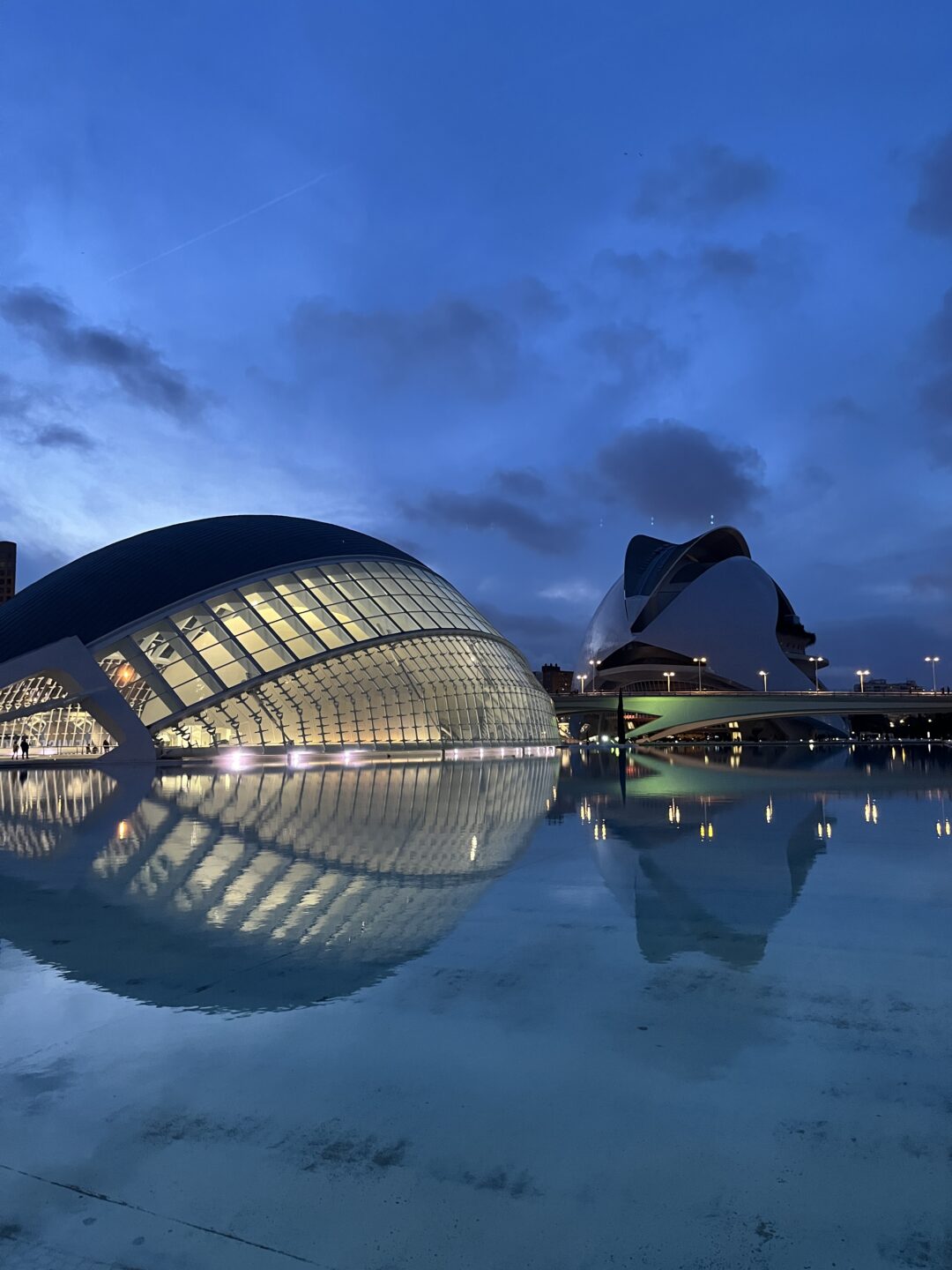
The Open Circle: Why Nobody is a Stranger in Spain
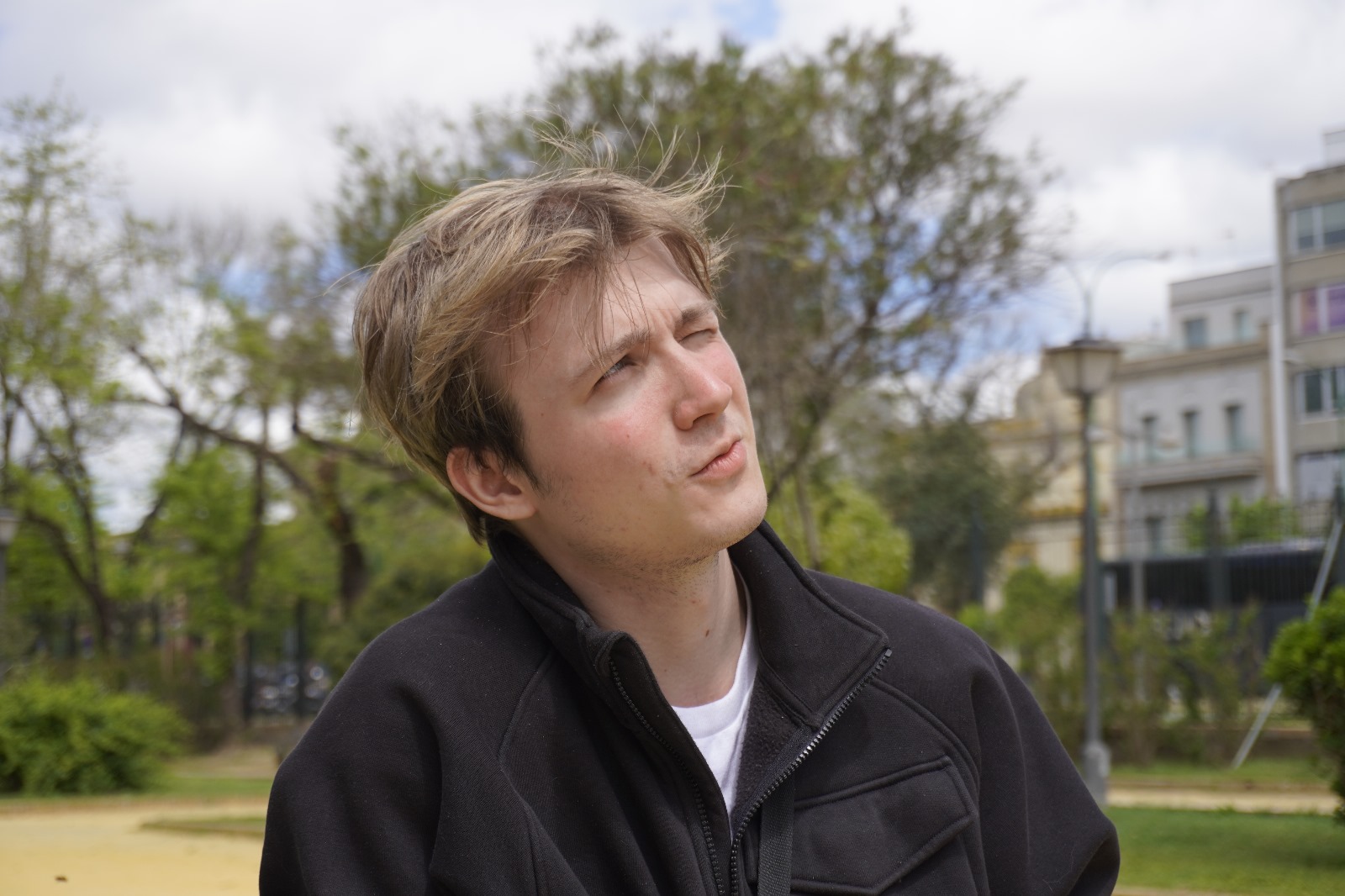
The spanish sense of community is a deep, instinctive resilience that reveals itself most clearly when things go wrong.
Preparation and first thoughts
When I first packed my bags for my exchange semester, I carried a mental checklist that was undeniably German. My documents were filed and ready, the most important places were remembered everything i could possibly need was packed, yet I had a quiet expectation that I would spend my first few weeks or months more like an observer and not right inside the action. In Germany, the expectation from a young age on, is that friendship is a slow and deliberate construction. It is a process of repeated meeting, proofs of trust, continued reliability and a lot more that takes months, if not years sometimes. I was prepared for the coldness of being an outsider because I thought that was normal when entering a new society. I expected to sit on the sidelines, waiting for an invitation that might never come.
The spanish way of life
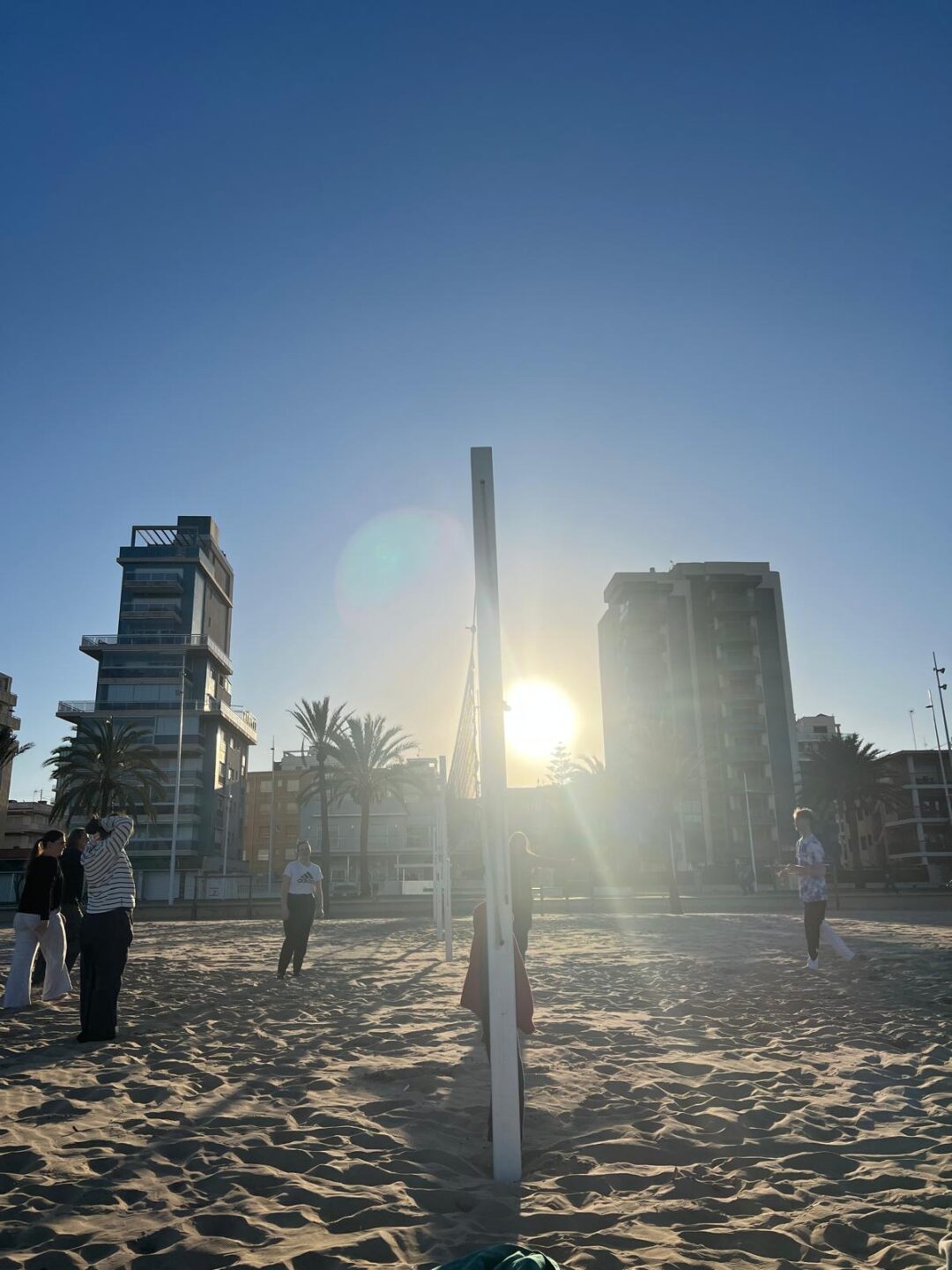
The transition from being a tourist to feeling like a resident happened in the moments I could never have planned for. The reality of Spanish life deconstructed my understanding of social norms within days. I quickly realized that the Spanish do not view social circles as closed rooms with locked doors. Instead, they see them as wide and flexible nets that are constantly expanding. To be invited by one person is almost like being invited into their whole friendgroup.
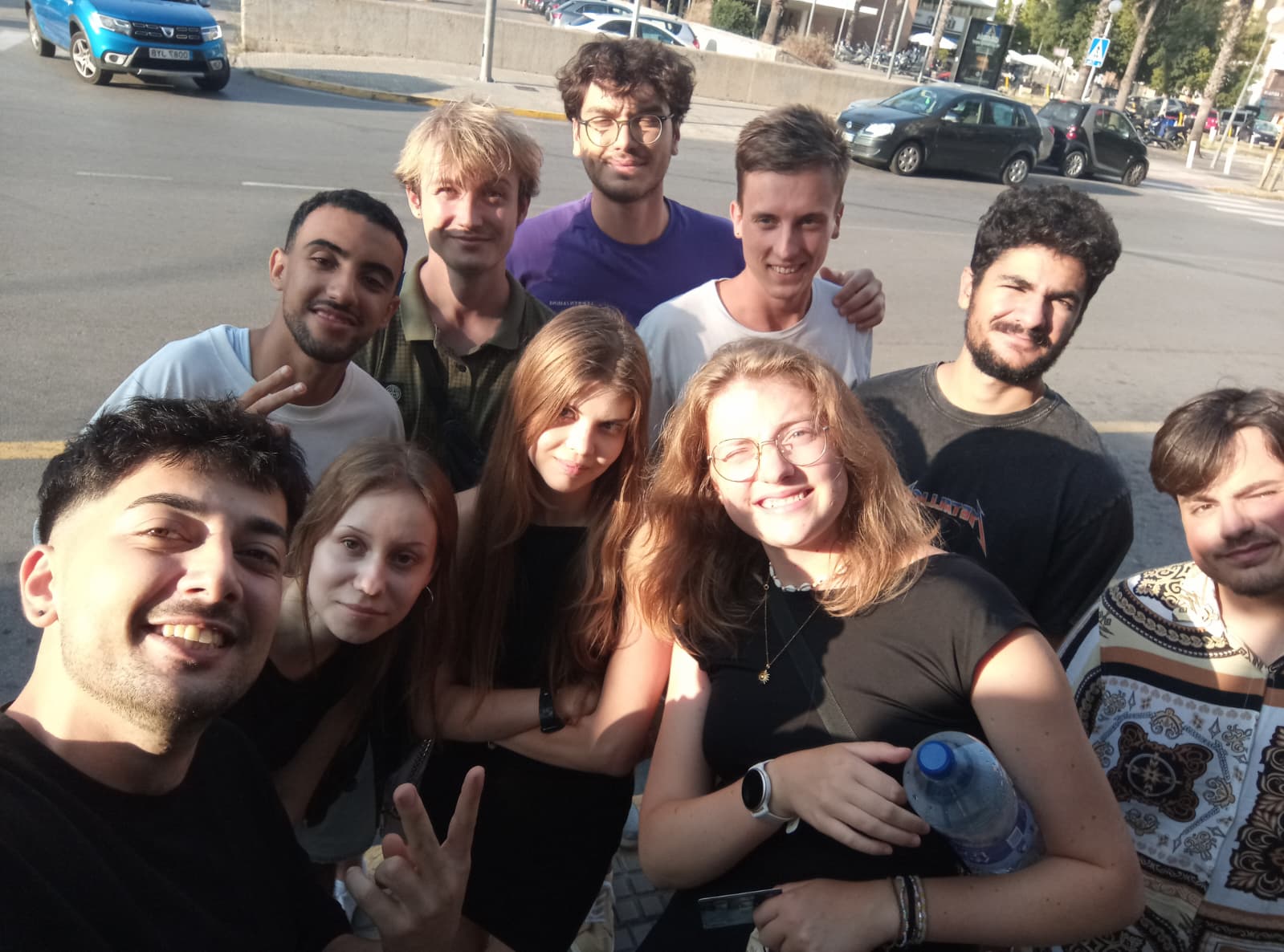
What surprised me most was how contagious this way of living is. It was not just the locals who lived this way; the "Spanish way" eventually infected all of us international students. I lived in an eight-person house that was a microcosm of this openness. We were a mix of nationalities, but we quickly learned to shed our individual cultural shells. Constantly being together with people from Turkey, Italy, France and Greece is incredibly enriching when you're open to every culture. Our life was made even better by a large roof terrace where we hosted incredible get-togethers. In Germany, a dinner for eight people requires a week of planning and a grocery list. On our terrace, it just happened. Someone would bring bread, someone else would bring drinks, others dips and the like and suddenly the space was full of people that weren't really planning to come before but decided that the evening would be better that way. We learned to live happily in this absolutely chaotic environment.
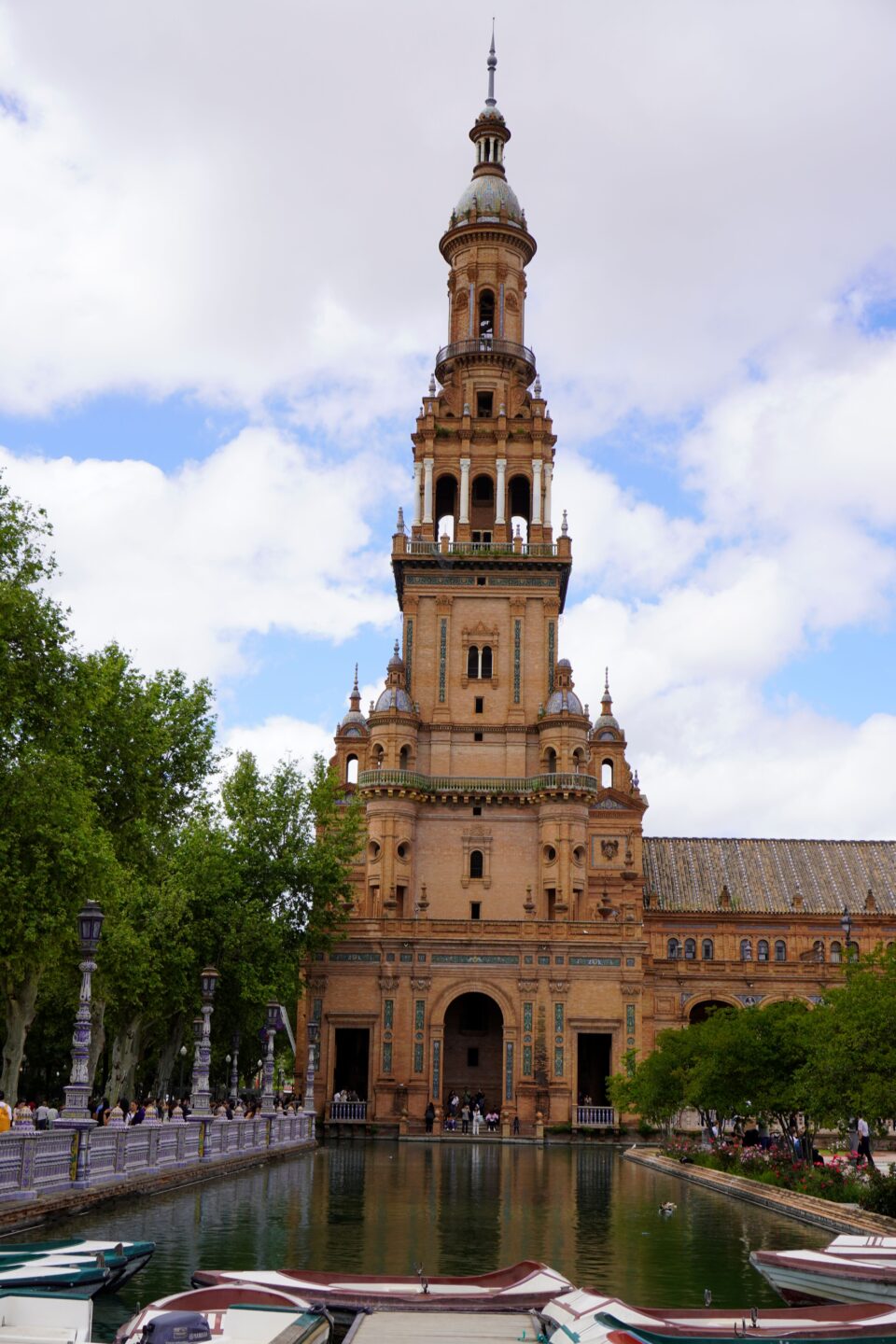
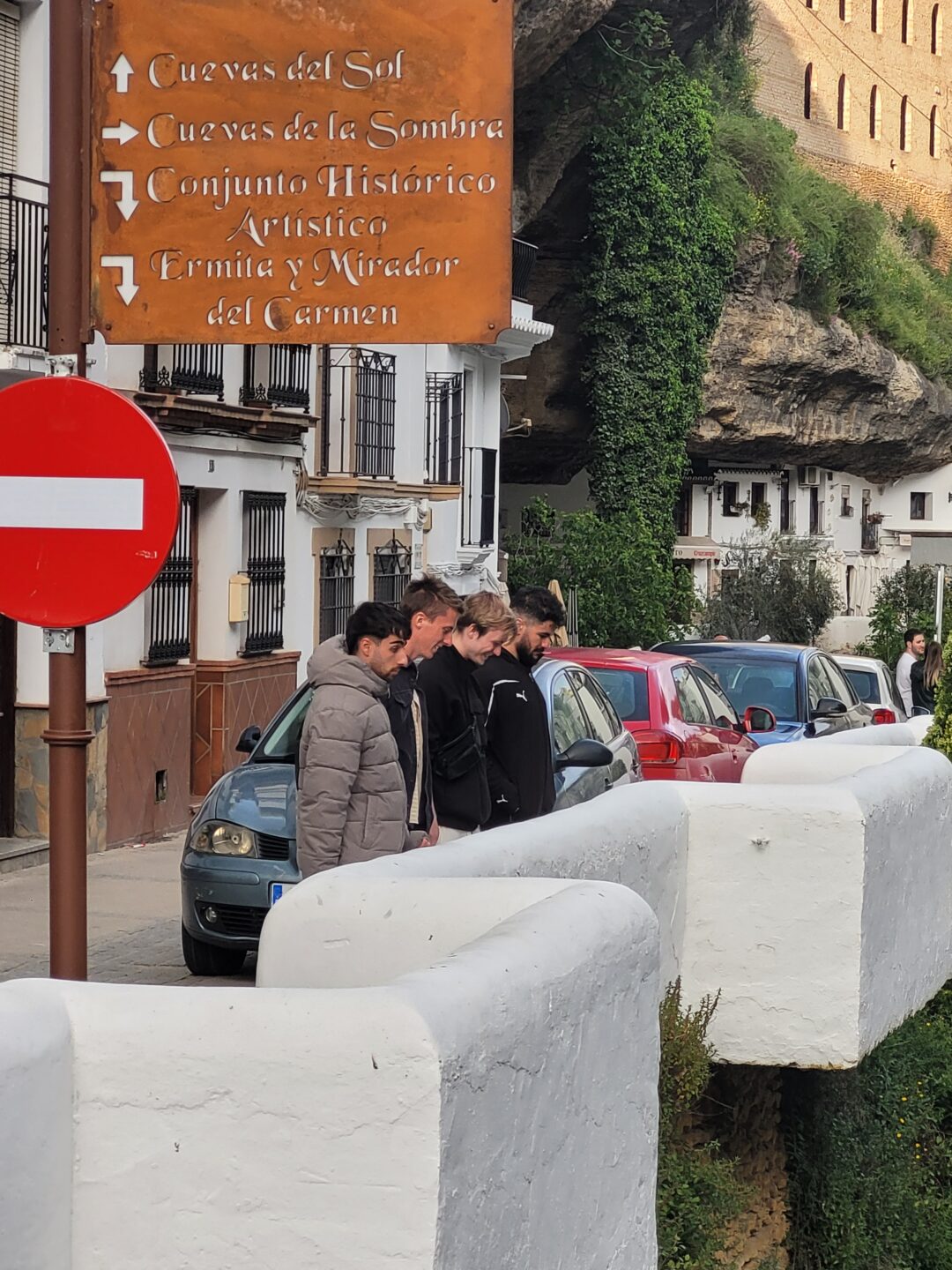
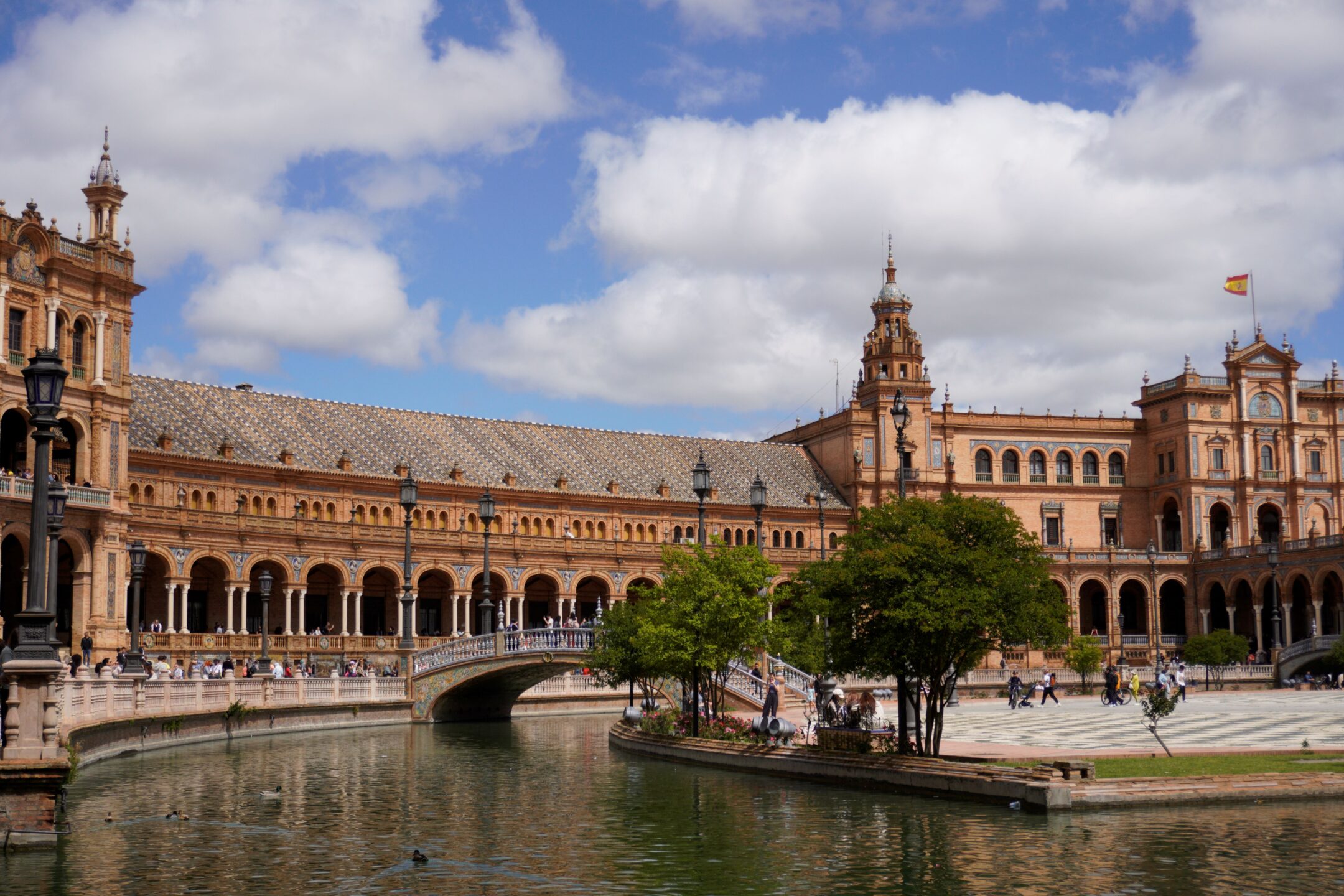
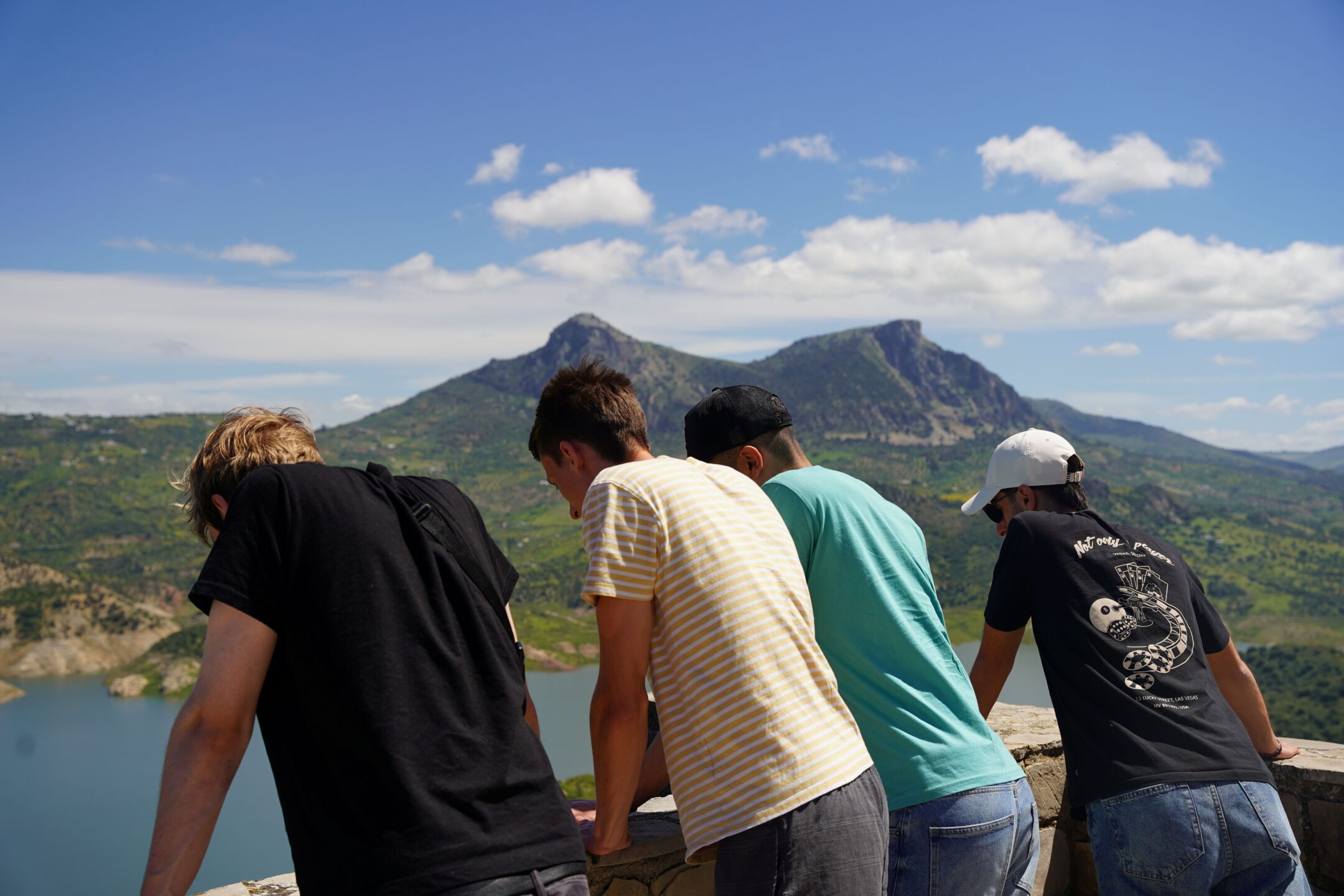
The andalusia Roadtrip
Energy off community on
This sense of community is a deep, instinctive resilience that shows itself most clearly when things do not go the way they should. I saw the true strength of this culture during the massive Iberian Peninsula blackout on April 28, 2025. On a Monday afternoon like any other, the entire grid suddenly failed, plunging the country into silence. The hum of the city died instantly. The air conditioners stopped, the music in the shops cut out, and the traffic lights went dark noone knew what happened.
If this had happened in Germany, I can imagine the reaction. People would have stayed inside their apartments to wait for an official statement. We would have worried about our frozen food and checked our battery percentages in isolation. We would have waited for the authorities to fix the system so that we could resume doing whatever we did in private. In Spain, the reaction was the opposite. People did not retreat inside, they spilled out.
Since the apartments became too hot without fans, what felt like entire neighborhood moved into the public plazas. Within half an hour, the streets were more crowded than they had been all day. Neighbors who had previously only exchanged a brief greeting were suddenly out sharing folding chairs on the sidewalk. Because the refrigerators were warming up, people brought out whatever food they had and started impromptu picnics on the pavement and in parks.
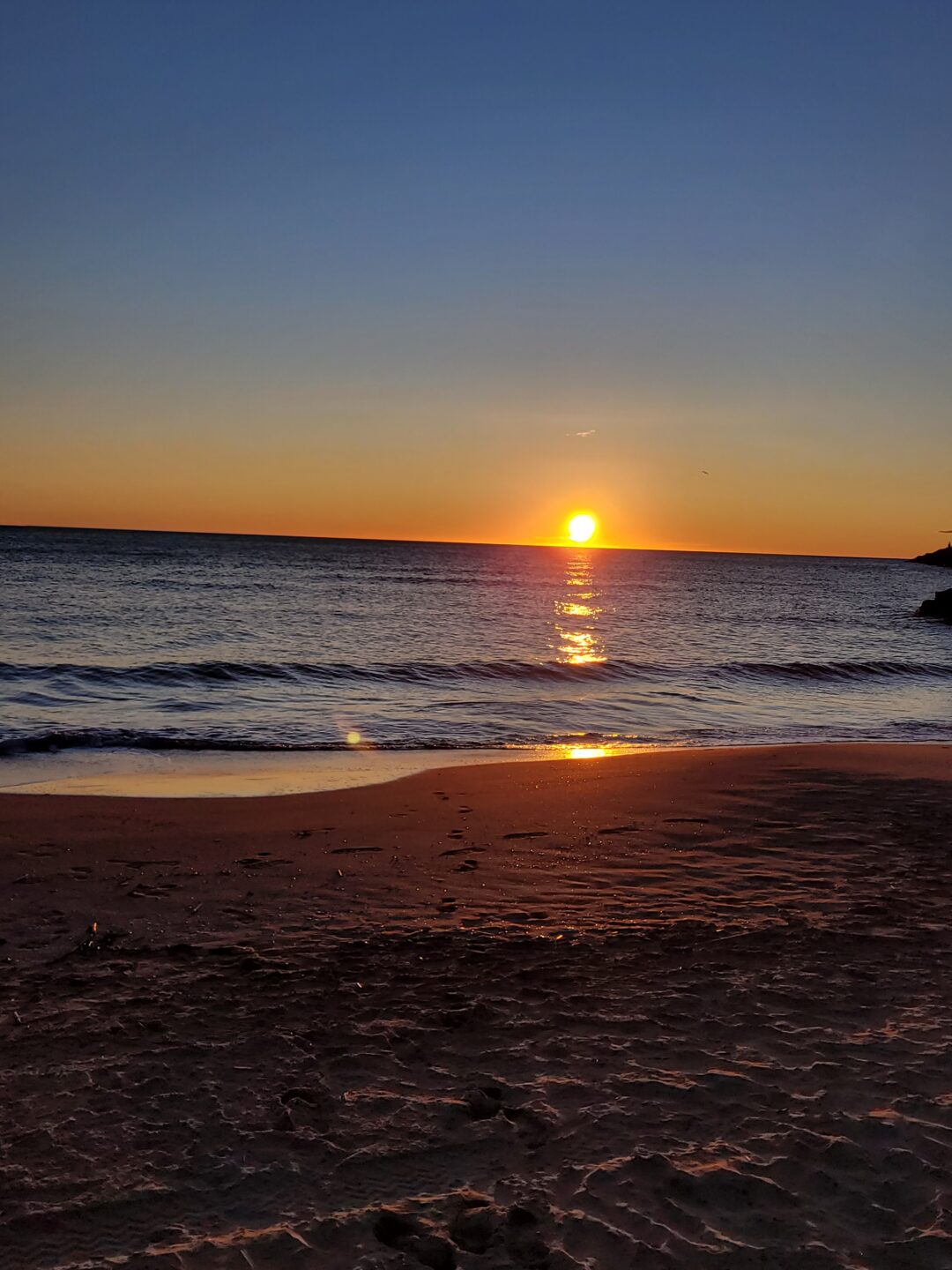
When the sun set over a city without without power, we all sat together on the roof and shared everything everyone in our house had left in the fridge, on the roof, under the shine of candles. We had no internet and no way to check the news, so we did the only thing left to do: we talked. The darkness did not feel like a crisis or a threat. It felt like a shared event, that had welded us together, even more.
the only thing that matters
The 2025 iberian peninsula blackout
Goodbye spain, i learned a lot
When the time finally came to leave Valencia, I realized I wasn’t ready to simply disappear into the clouds and land back in Germany a few hours later. Instead, a friend and I decided to take the long way home, crossing the continent by land without a plan and just our backpacks on us. Our journey took us through the vibrant streets of Madrid and along the Atlantic coast to Lisbon and Porto. From there, we doubled back to the the natural beauty of the Basque Country and Bilbao before crossing into France to visit a friend we had made in Spain in Nantes and then finish our trip with an unintentional visit to Paris exactly on Frances national holiday .
What struck me most during those weeks on the road was that the strategy of the "open circle" I had discovered in Spain did not stop working at the border. At every single stop, we encountered people who were remarkably willing to connect. Whether we were sitting on a train or sharing a meal in a hostel, strangers offered us more than just directions or small talk. They often shared deeply personal stories and life experiences with a vulnerability that felt rare and uncommon and that when we often only met them that day. It was as if we had soaked in the social way of life and we opened up to the world, and in return, the world opened itself to us. Arriving back in Germany, I realized that the greatest lesson of my semester was not found in a classroom. It was the discovery that, no matter the city or the language, a shared human connection is always just one conversation away.
Quellenangaben:
Alle Bilder (c) 2025 Henry Lennox Göricke.
Alle Rechte vorbehalten.